


Caring for the caregiver: a systematic review characterising the experience of caregivers of older adults with advanced cancers
- PMID: 32963088
- PMCID: PMC7509963
- DOI: 10.1136/esmoopen-2020-000862
Caring for the caregiver: a systematic review characterising the experience of caregivers of older adults with advanced cancers
Abstract
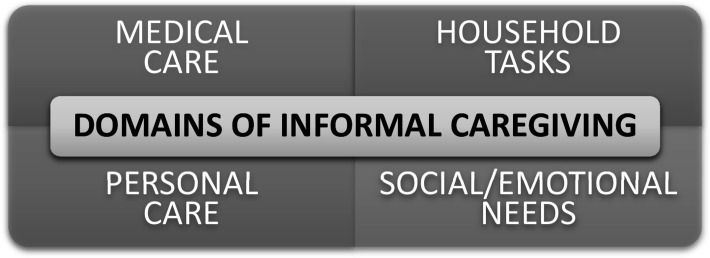
The steady advances in oncology bring a host of therapeutic options for older adults (≤65 years old) with cancer. As these patients experience this proliferation of anticancer therapies, their caregivers too have witnessed their role rapidly expanding and evolving as they care for these individuals. To better understand the caregiver experience, a review of the current literature on informal caregiving and cancer caregiving was conducted. These informal caregivers are often individuals with a strong personal connection to the person with advanced cancer, such as a close relative, spouse/partner or friend. Caregivers provide a broad range of assistance with most aspects of day-to-day life. However, we have limited knowledge of the impact of this role on the caregivers themselves, particularly in the context of an older adult patient and their unique needs. Here, we explore the data on caregiver experience when caring for a person with advanced cancers-specifically, we characterise the symptom burden and effects on the caregiver well-being with emphasis on the care of older adults with cancer.
Keywords: cancer caregiving; geriatric oncology; informal caregiving; palliative care; supportive oncology.
© Author (s) (or their employer(s)) 2020. Re-use permitted under CC BY-NC. No commercial re-use. Published by BMJ on behalf of the European Society for Medical Oncology.
Conflict of interest statement
Competing interests: None declared.
References
Publication types
MeSH terms
LinkOut - more resources
Full Text Sources
Medical
Research Materials
