


Can Adenosine Fight COVID-19 Acute Respiratory Distress Syndrome?
- PMID: 32967358
- PMCID: PMC7564484
- DOI: 10.3390/jcm9093045
Can Adenosine Fight COVID-19 Acute Respiratory Distress Syndrome?
Abstract
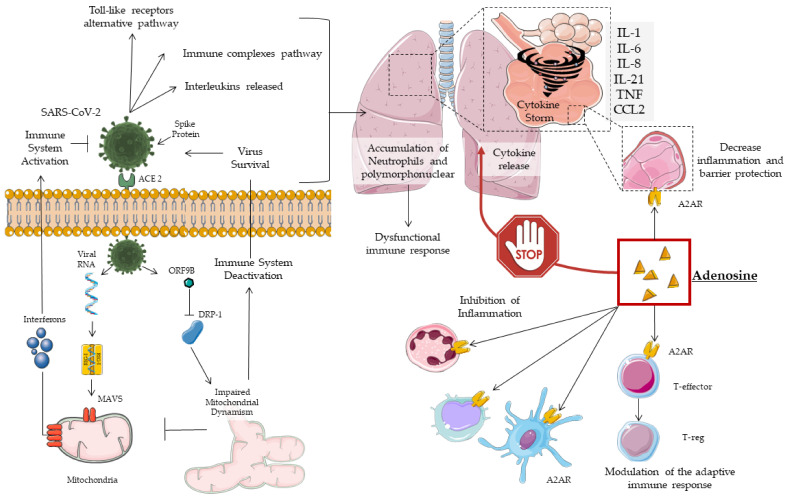
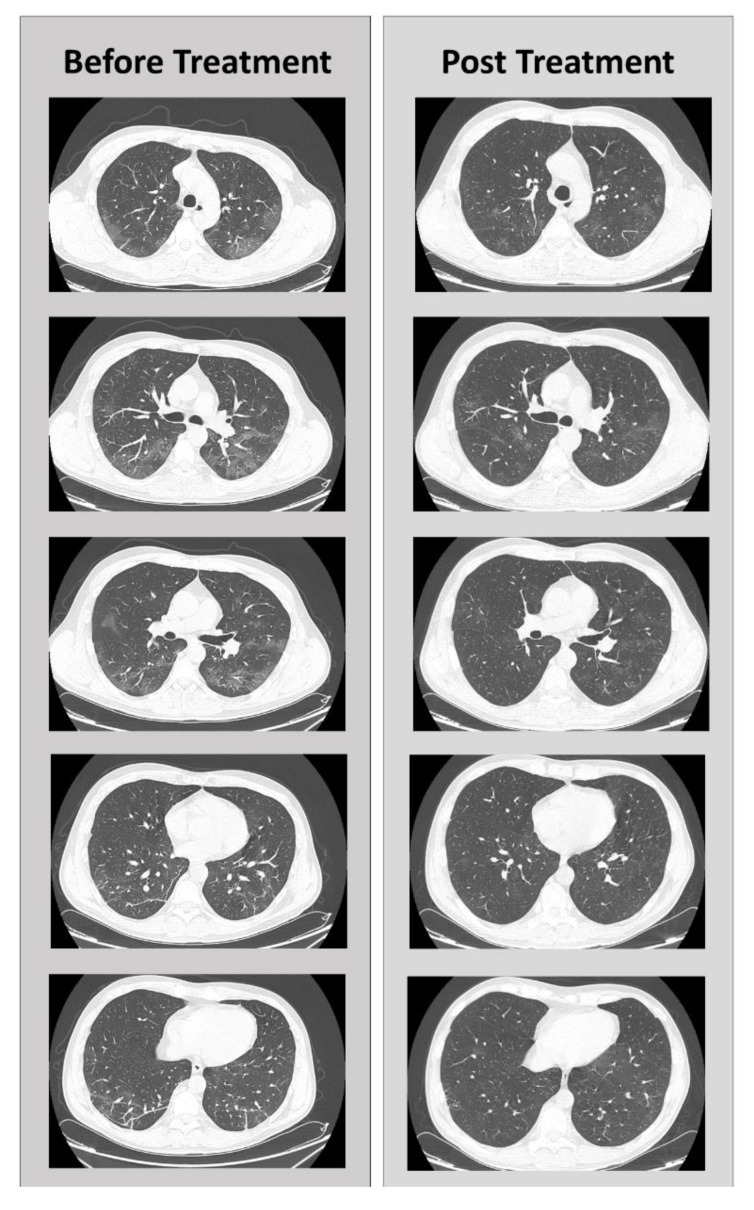
Coronavirus disease 2019 (COVID-19) patients can develop interstitial pneumonia, which, in turn, can evolve into acute respiratory distress syndrome (ARDS). This is accompanied by an inflammatory cytokine storm. severe acute respiratory syndrome coronavirus type 2 (SARS-CoV-2) has proteins capable of promoting the cytokine storm, especially in patients with comorbidities, including obesity. Since currently no resolutive therapy for ARDS has been found and given the scientific literature regarding the use of adenosine, its application has been hypothesized. Through its receptors, adenosine is able to inhibit the acute inflammatory process, increase the protection capacity of the epithelial barrier, and reduce the damage due to an overactivation of the immune system, such as that occurring in cytokine storms. These features are known in ischemia/reperfusion models and could also be exploited in acute lung injury with hypoxia. Considering these hypotheses, a COVID-19 patient with unresponsive respiratory failure was treated with adenosine for compassionate use. The results showed a rapid improvement of clinical conditions, with negativity of SARS-CoV2 detection.
Keywords: ARDS; COVID-19; CT-scan; adenosine; cytokines storm.
Conflict of interest statement
The authors declare no conflict of interest.
Figures
References
-
- WHO Coronavirus Disease (COVID-19) Dashboard. [(accessed on 15 July 2020)]; Available online: https://covid19.who.int/?gclid=Cj0KCQjw0rr4BRCtARIsAB0_48NF8a417ap3xz5a6....
-
- Thiel M., Choukèr A., Ohta A., Jackson E., Caldwell C.C., Smith P., Lukashev D., Bittmann I., Sitkovsky M.V. Oxygenation Inhibits the Physiological Tissue-Protecting Mechanism and Thereby Exacerbates Acute Inflammatory Lung Injury. PLoS Boil. 2005;3:e174. doi: 10.1371/journal.pbio.0030174. - DOI - PMC - PubMed
Publication types
LinkOut - more resources
Full Text Sources
Other Literature Sources
Miscellaneous
