


CD14, CD163, and CCR1 are involved in heart and blood communication in ischemic cardiac diseases
- PMID: 32967511
- PMCID: PMC7521061
- DOI: 10.1177/0300060520951649
CD14, CD163, and CCR1 are involved in heart and blood communication in ischemic cardiac diseases
Abstract
Objective: Cardiac diseases lead to heart failure (HF), but the progression can take several years. Using blood samples to monitor changes in the heart before clinical symptoms begin may help to improve patient management.
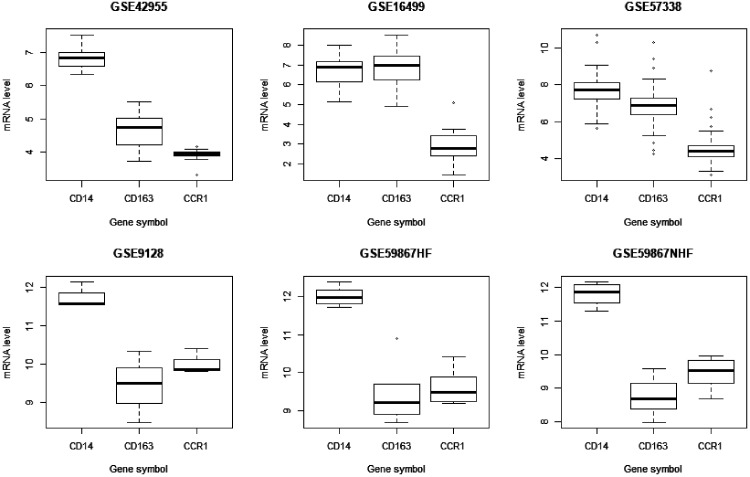
Methods: Microarray data GSE42955 and GSE9128 were used as study datasets and GSE16499, GSE57338, and GSE59867 were used as validation groups. The "limma" package from R Language was used to identify differentially expressed genes. Functional enrichment analyses of gene ontology terms and Kyoto Encyclopedia of Genes and Genomes pathways were performed using Database for Annotation, Visualization and Integrated Discovery. We also investigated the correlation between the heart and blood using the mRNA expression level.
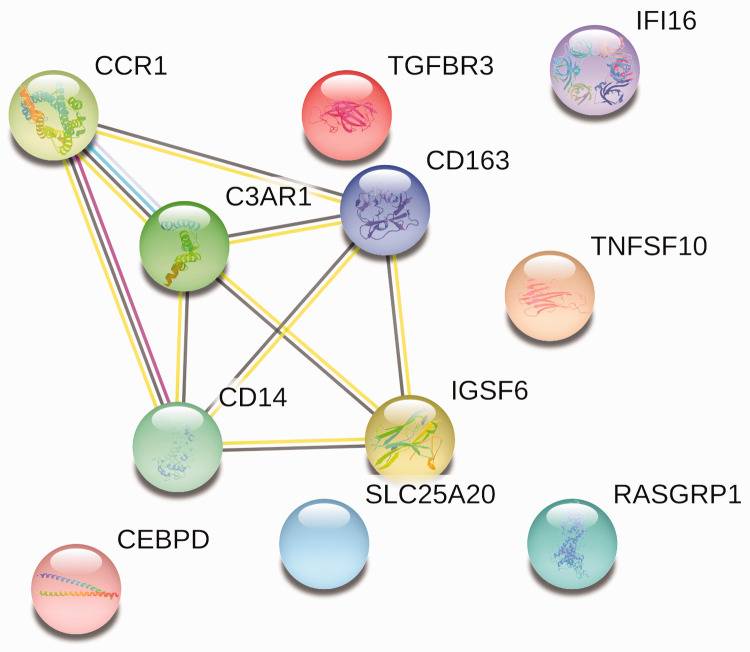
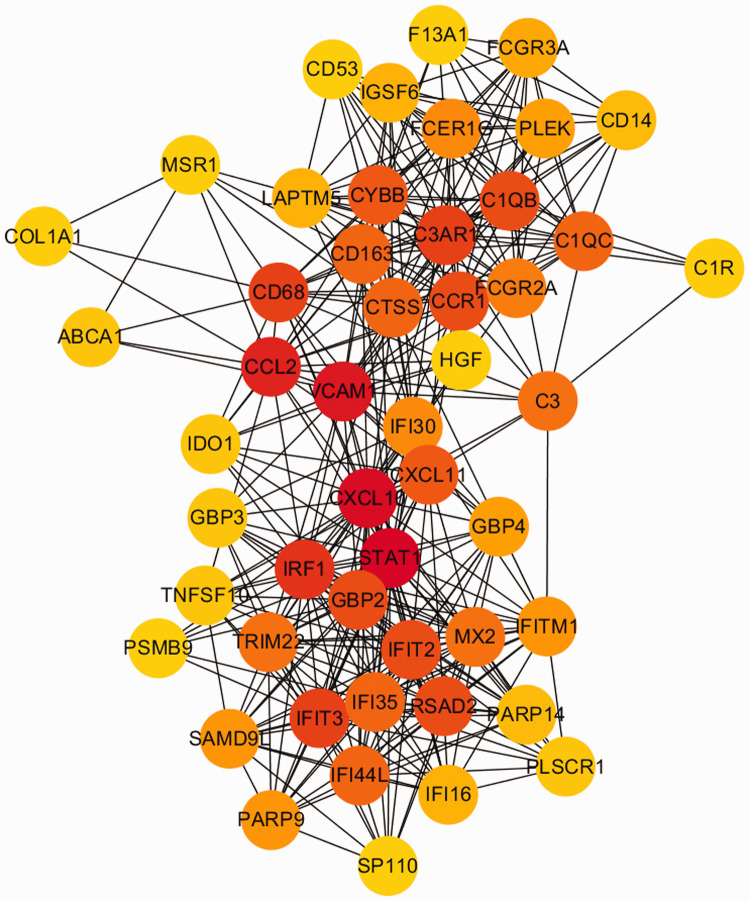
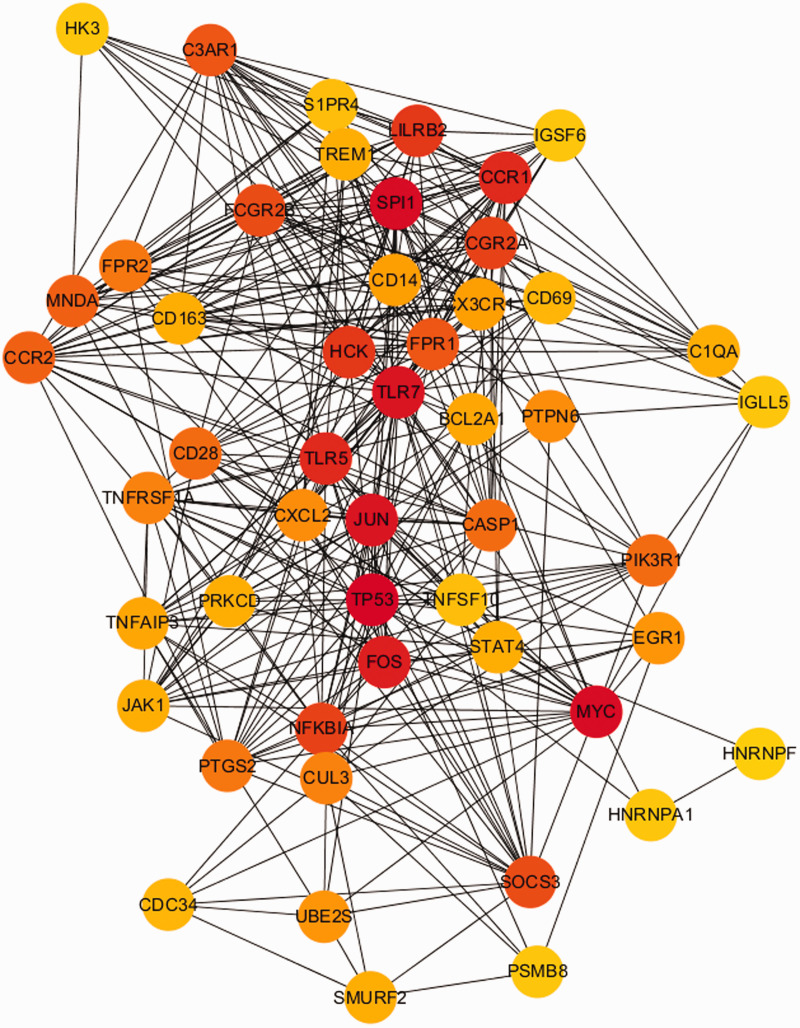
Results: Three hub genes, CD14, CD163, and CCR1, were identified. Functional enrichment analyses showed their involvement in the immune response and in the inflammatory response, which are the critical biochemical processes in ischemic HF. The mRNA expression level further demonstrated that a special model may exist to help to predict the mRNA level in the heart based on that in blood.
Conclusions: Our study identified three biomarkers that can connect the heart and blood in ischemic heart diseases, which may be a new approach to help better manage ischemic cardiac disease patients.
Keywords: Heart and blood communication; ST-elevation myocardial infarction; biomarker; differentially expressed genes; heart disease; heart failure; ischemic cardiomyopathy.
Figures
References
-
- Yancy CW, Jessup M, Bozkurt B, et al. 2013 ACCF/AHA guideline for the management of heart failure: a report of the American College of Cardiology Foundation/American Heart Association Task Force on Practice Guidelines. J Am Coll Cardiol 2013; 62: e147–e239. - PubMed
MeSH terms
Substances
LinkOut - more resources
Full Text Sources
Medical
Research Materials
Miscellaneous
