


Mechanism of antidiabetic effects of Plicosepalus Acaciae flower in streptozotocin-induced type 2 diabetic rats, as complementary and alternative therapy
- PMID: 32967670
- PMCID: PMC7509926
- DOI: 10.1186/s12906-020-03087-z
Mechanism of antidiabetic effects of Plicosepalus Acaciae flower in streptozotocin-induced type 2 diabetic rats, as complementary and alternative therapy
Abstract
Background: Diabetes and its related complications remain to be a major clinical problem. We aim to investigate the antidiabetic mechanistic actions of Plicosepalus Acaciae (PA) flowers in streptozotocin (STZ)-induced diabetic rats.
Methods: After diabetes induction, rats were divided randomly into five groups, including: 1) normal control group, 2) diabetic control group, 3) diabetic group treated with 150 mg/kg of ethanolic extract of PA flowers, 4) diabetic group treated with 300 mg/kg of ethanolic extract of PA flowers, and 5) diabetic group treated with 150 mg/kg of metformin. After 15 days of treatment; fasting blood glucose, glycated hemoglobin (HBA1c%), insulin, C-peptide, superoxide dismutase (SOD), catalase, reduced glutathione (GSH), malondialdehyde (MDA), triglyceride (TGs), total cholesterol (Tc), low density lipoprotein cholesterol (LDL-c), very LDL (VLDL), high DLc (HDL-c), tumor necrosis factor-α (TNF-α), and interleukin-6 (IL-6) levels were assessed. Histopathology of pancreas was also assessed.
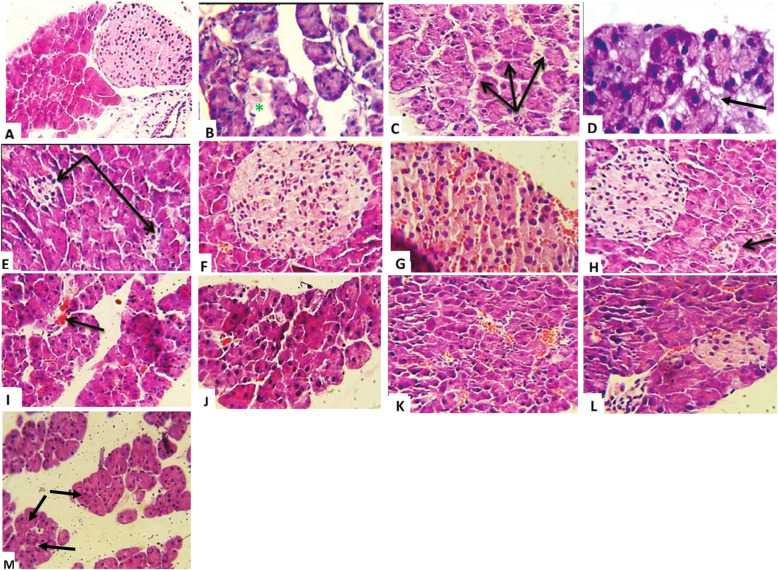
Results: The results showed that PA flower ethanolic extract significantly reduced blood glucose, HBA1c%, MDA, TGs, Tc, VLDL, LDL-c, TNF-α, and IL-6 levels in a dose-dependent manner. All these parameters were already increased by diabetic induction in the untreated diabetic group. Treatment of diabetic rats with PA flower increased insulin, HDL-c, GSH, catalase, and SOD levels. Histological examination showed that the PA flower caused reconstruction, repair, and recovery of damaged pancreas when compared with the untreated group.
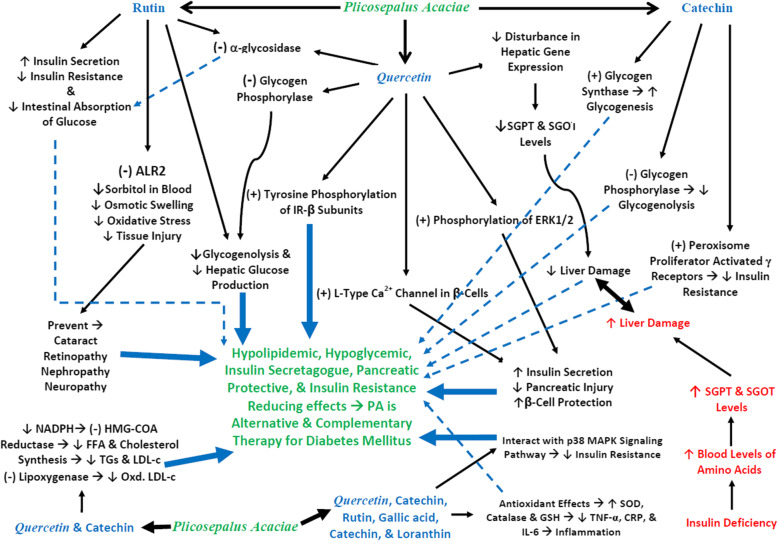
Conclusions: PA flower has a potential role in the management of diabetes as complementary and alternative therapy, due to its antioxidant, anti-inflammatory, hypolipidemic, hypoglycemic and insulin secretagogue effects.
Keywords: Antioxidant; Diabetes; Metformin; Plicosepalus Acaciae; Quercetin; Streptozotocin.
Conflict of interest statement
The authors declare that they have no competing interests.
Figures
References
-
- Al-Taweel AM, Perveen S, Fawzy GA, Alqasoumi SI, El Tahir KEH. New flavane gallates isolated from the leaves of Plicosepalus curviflorus and their hypoglycemic activity. Fitoterapia. 2012;83:1610–1615. - PubMed
-
- Ibrahim JA, Ayodele AE. Taxonomic significance of leaf epidermal characters of the family Loranthaceae in Nigeria. World Appl Sci J. 2013;24(9):1172–1179.
-
- Ogunmefun OT, Fasola TR, Saba AB, Oridupa OA. The toxicity evaluation of Phragmanthera incana (Klotzsch) growing on two plant hosts and its effect on Wistar rats’ haematology and serum biochemistry. Acad J Plant Sci. 2013;6:92–98.
-
- Osadebe PO, Omejea EO, Nworub SC, Esimonec CO, Uzora PF. Davida et al. Antidiabetic principles of Loranthus micranthus Linn. Parasitic on Persea americana. Asian Pac J Trop Med. 2010;3:619–623.
-
- Waly NM, Ali AEE, Jrais RN. Botanical and biological studies of six parasitic species of family Loranthaceae growing in Kingdom of Saudi Arabia. Int J Environ Sci. 2012;4:196–205.
MeSH terms
Substances
Grants and funding
LinkOut - more resources
Full Text Sources
Medical
