


Background luminance effects on pupil size associated with emotion and saccade preparation
- PMID: 32973283
- PMCID: PMC7515892
- DOI: 10.1038/s41598-020-72954-z
Background luminance effects on pupil size associated with emotion and saccade preparation
Abstract
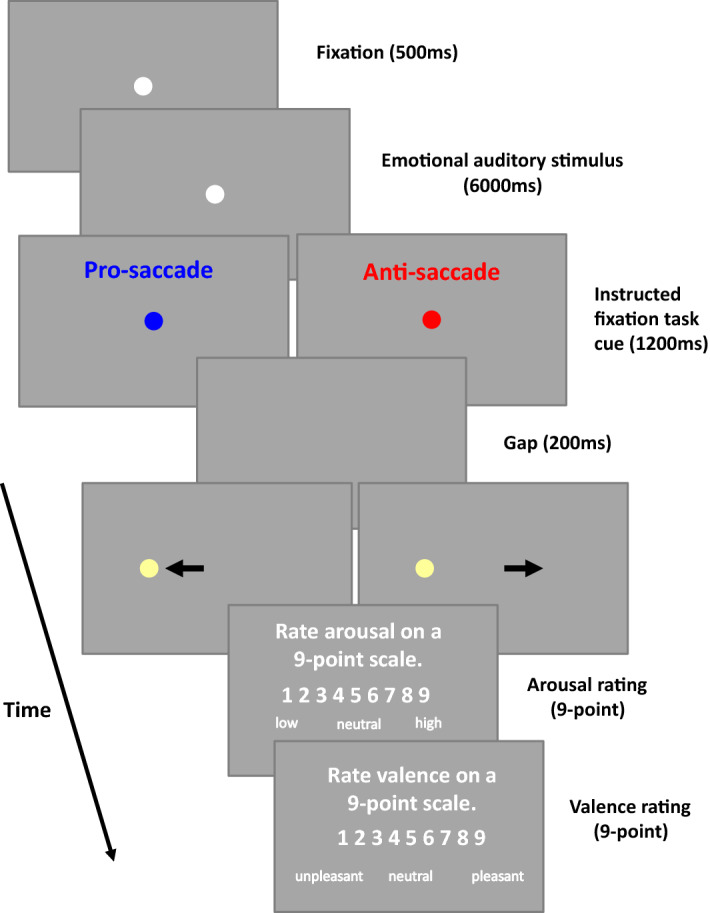
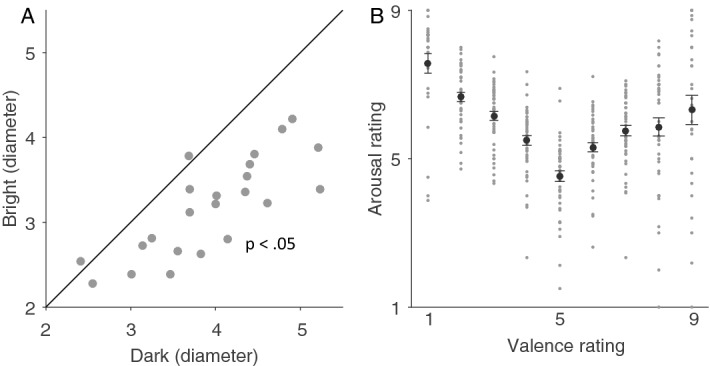
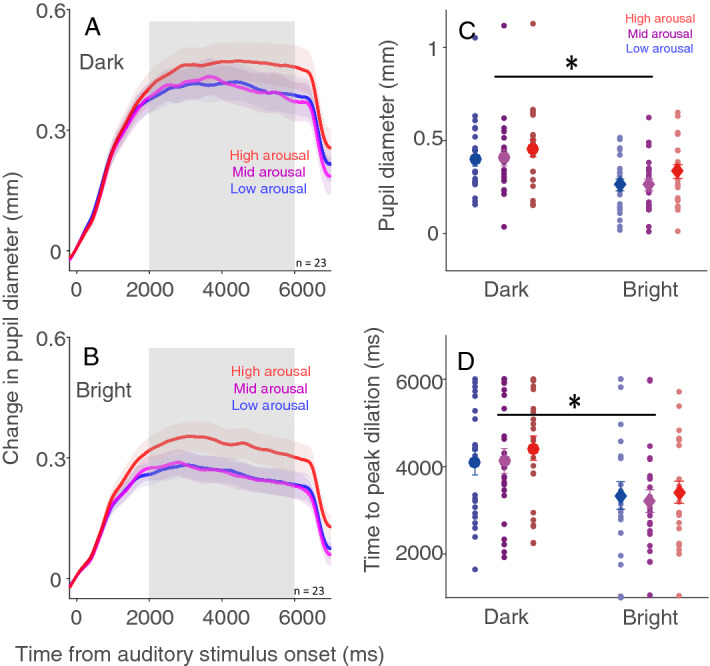
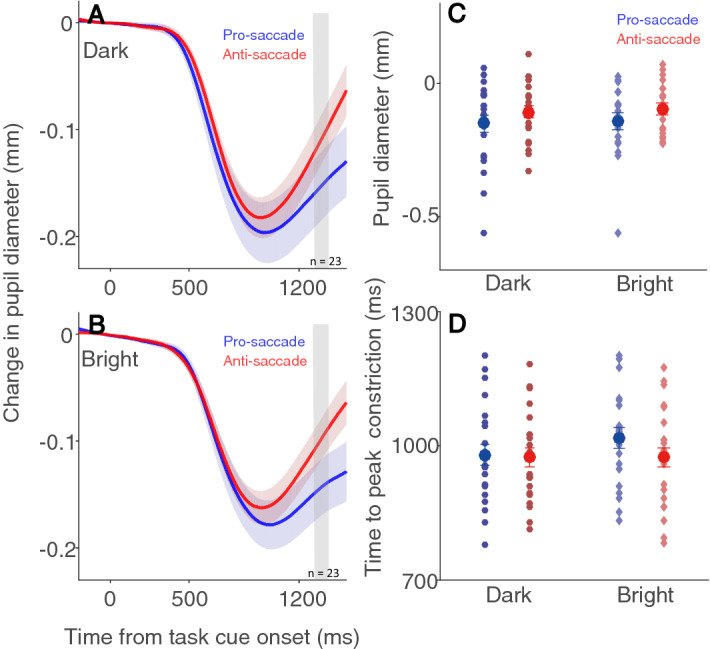
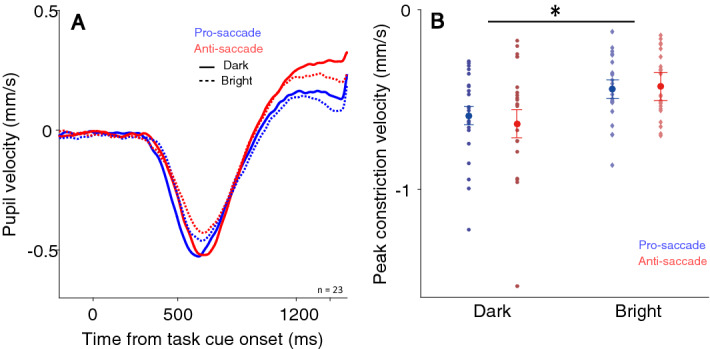
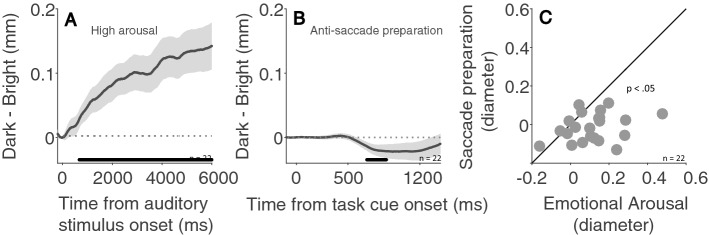
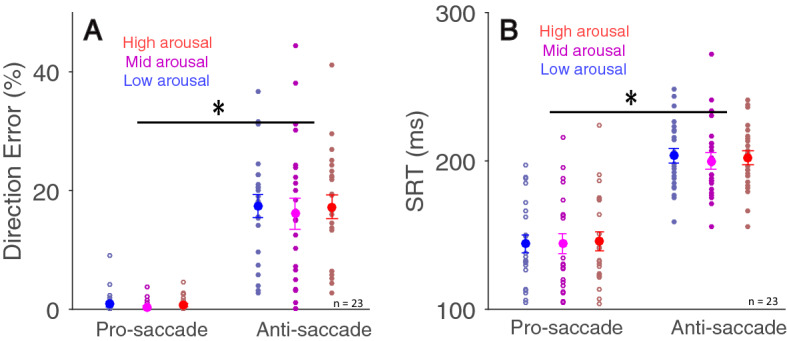
Pupil dilation is consistently evoked by affective and cognitive processing, and this dilation can result from sympathetic activation or parasympathetic inhibition. The relative contributions of the sympathetic and parasympathetic systems on the pupillary response induced by emotion and cognition may be different. Sympathetic and parasympathetic activity is regulated by global luminance level. Higher luminance levels lead to greater activation of the parasympathetic system while lower luminance levels lead to greater activation of the sympathetic system. To understand the contributions of the sympathetic and parasympathetic nervous systems to pupillary responses associated with emotion and saccade preparation, emotional auditory stimuli were presented following the fixation cue whose color indicated instruction to perform a pro- or anti-saccade while varying the background luminance level. Pupil dilation was evoked by emotional auditory stimuli and modulated by arousal level. More importantly, greater pupil dilation was observed with a dark background, compared to a bright background. In contrast, pupil dilation responses associated with saccade preparation were larger with the bright background than the dark background. Together, these results suggest that arousal-induced pupil dilation was mainly mediated by sympathetic activation, but pupil dilation related to saccade preparation was primarily mediated by parasympathetic inhibition.
Conflict of interest statement
The authors declare no competing interests.
Figures
References
-
- May PJ, et al. Autonomic regulation of the eye. Oxford Res. Encycl. Neurosci. 2019 doi: 10.1093/acrefore/9780190264086.013.276. - DOI
-
- Janisse MP. Pupil size and affect: a critical review of the literature since 1960. Can. Psychol. 1973;14:311–329.
Publication types
MeSH terms
LinkOut - more resources
Full Text Sources
Other Literature Sources
