


Ozone Reacts With Carbon Black to Produce a Fulvic Acid-Like Substance and Increase an Inflammatory Effect
- PMID: 32975498
- PMCID: PMC7810358
- DOI: 10.1177/0192623320961017
Ozone Reacts With Carbon Black to Produce a Fulvic Acid-Like Substance and Increase an Inflammatory Effect
Abstract
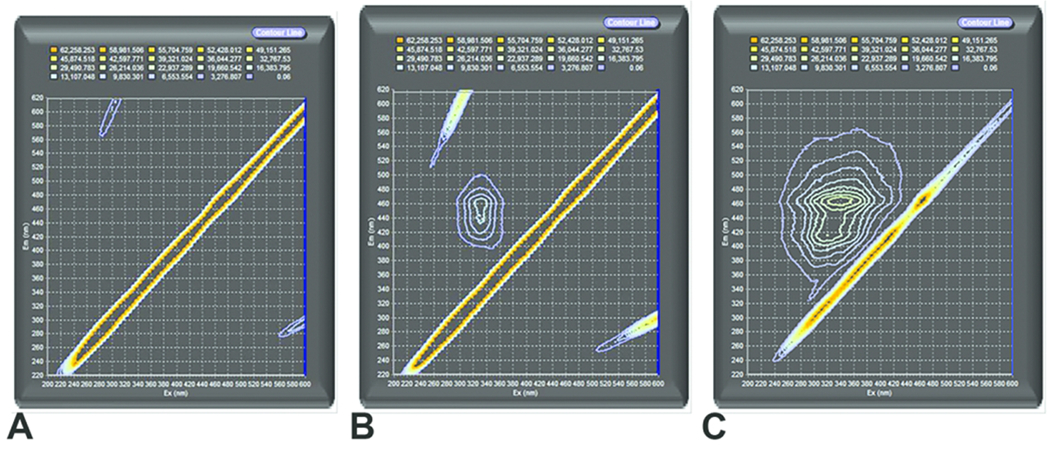
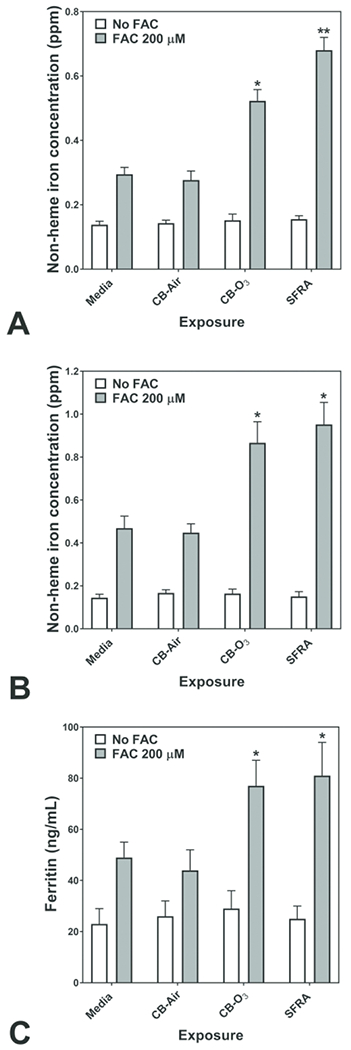
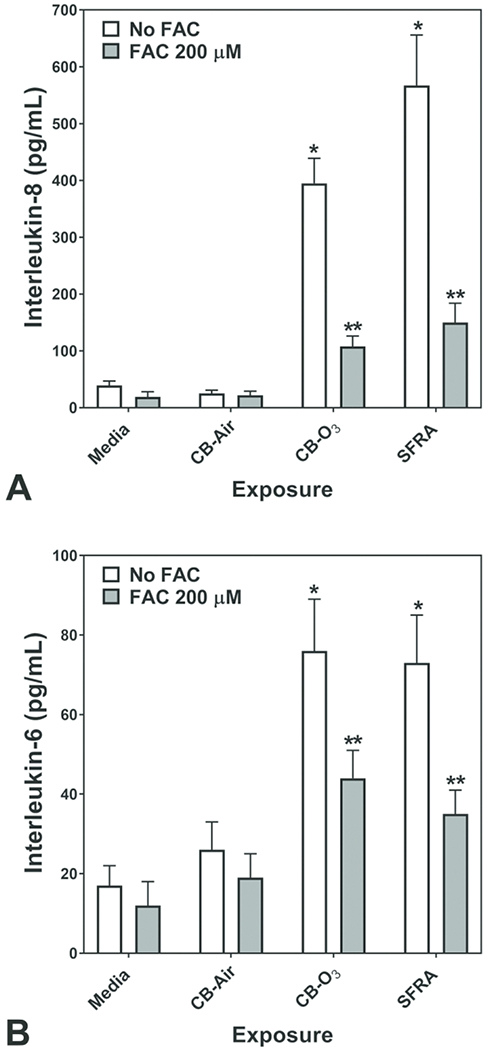
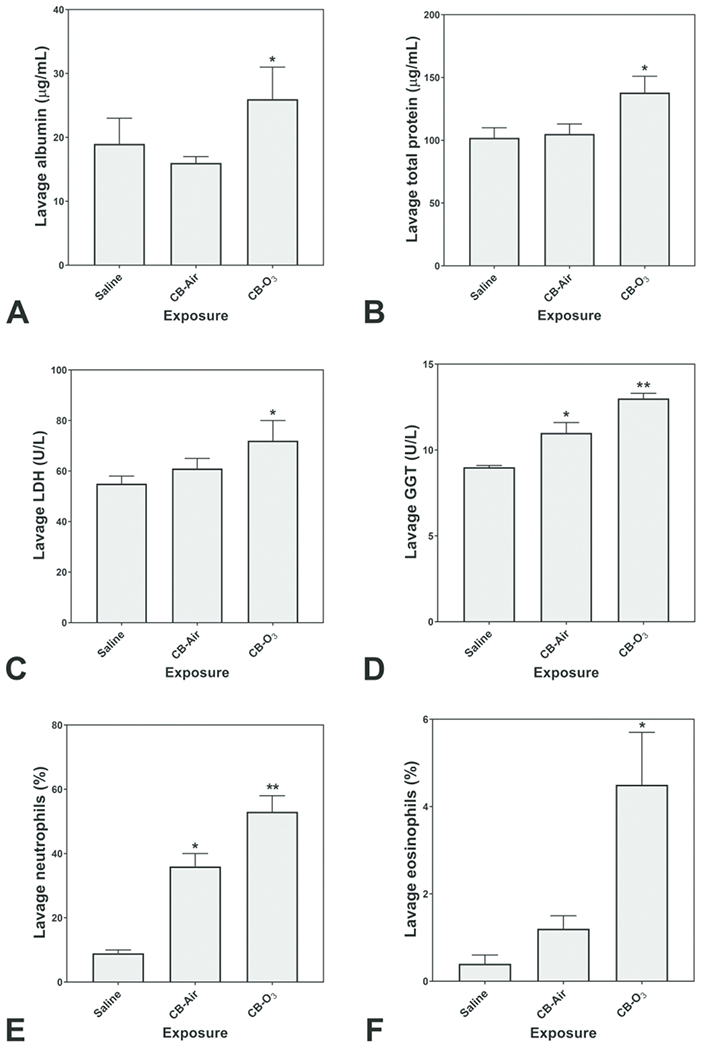
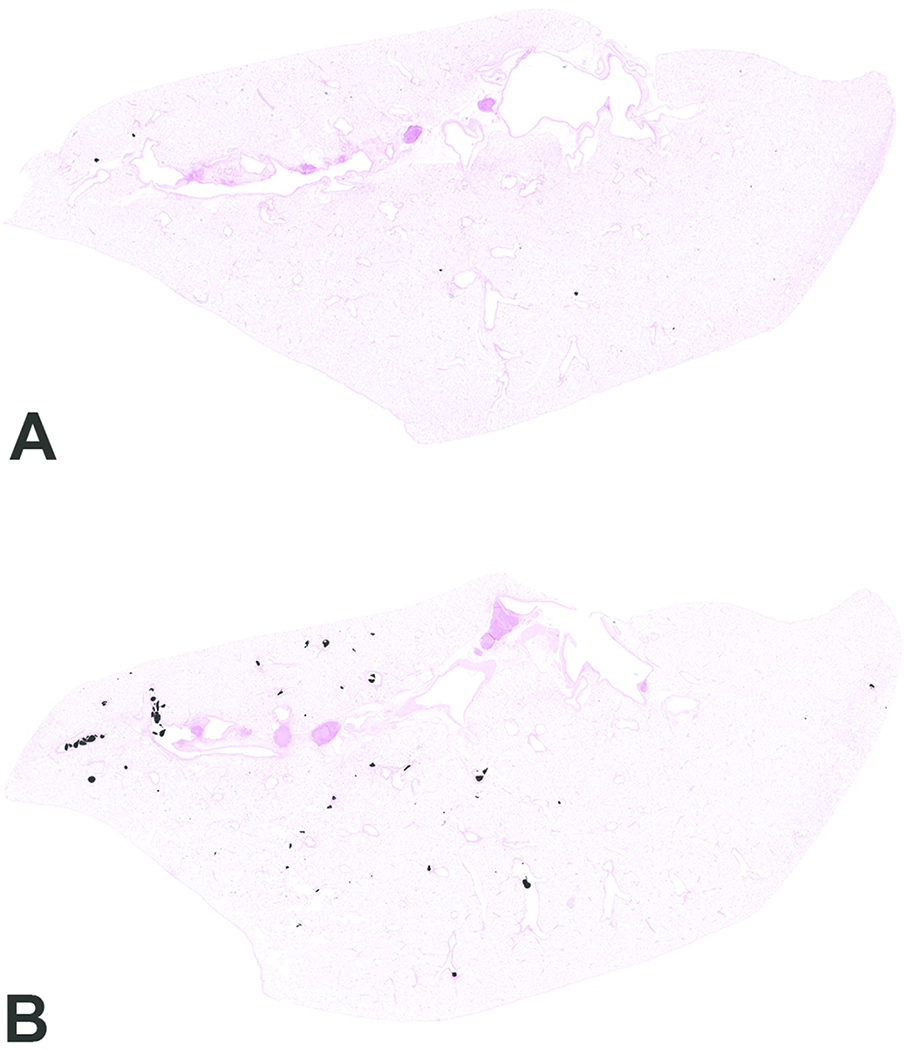
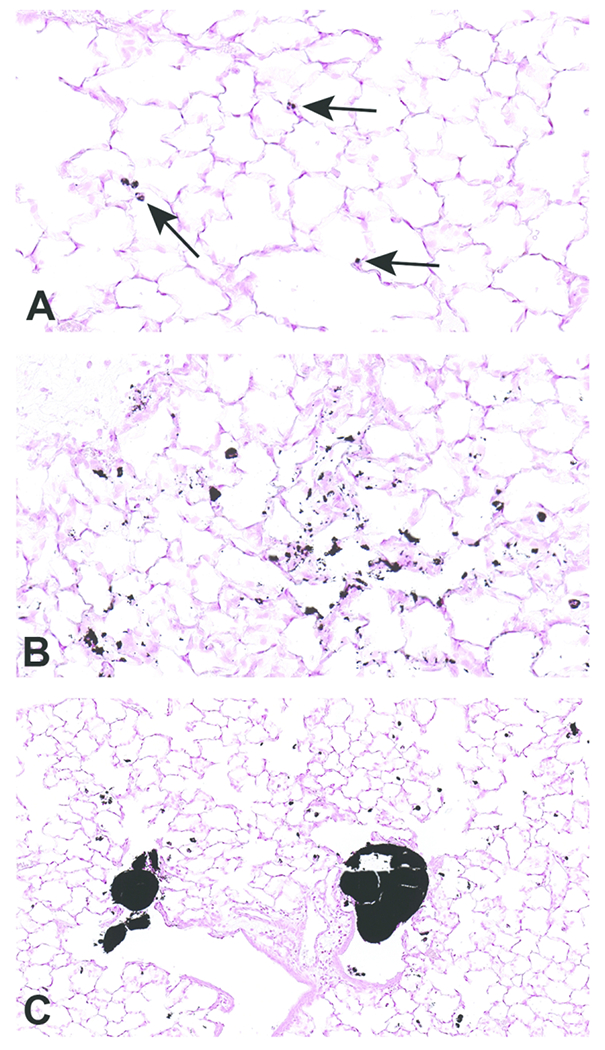
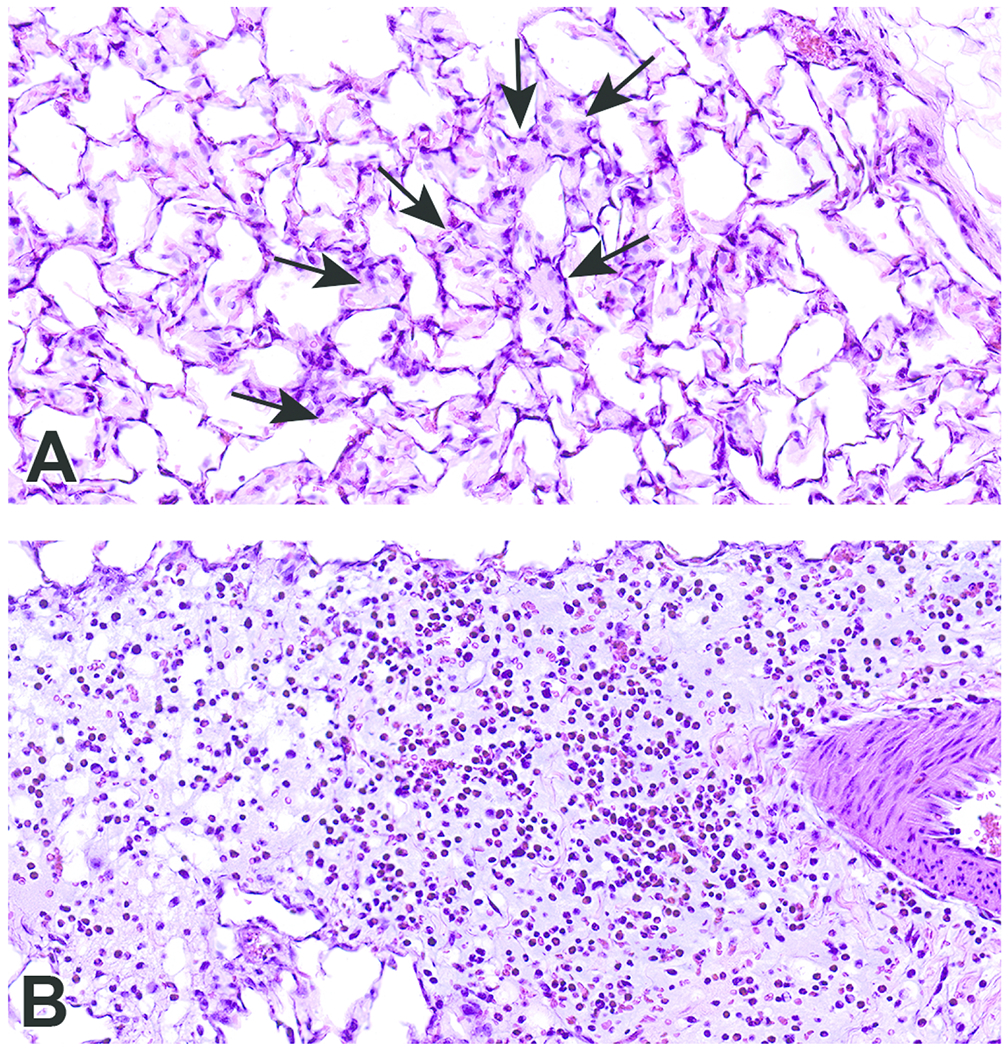
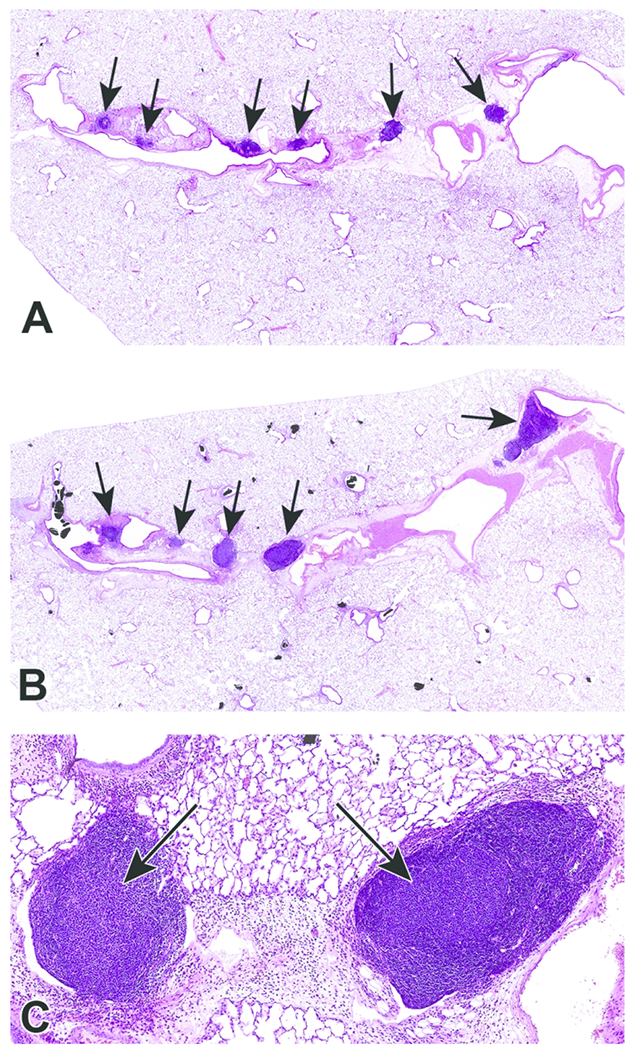
Exposure to ambient ozone has been associated with increased human mortality. Ozone exposure can introduce oxygen-containing functional groups in particulate matter (PM) effecting a greater capacity of the particle for metal complexation and inflammatory effect. We tested the postulate that (1) a fulvic acid-like substance can be produced through a reaction of a carbonaceous particle with high concentrations of ozone and (2) such a fulvic acid-like substance included in the PM can initiate inflammatory effects following exposure of respiratory epithelial (BEAS-2B) cells and an animal model (male Wistar Kyoto rats). Carbon black (CB) was exposed for 72 hours to either filtered air (CB-Air) or approximately 100 ppm ozone (CB-O3). Carbon black exposure to high levels of ozone produced water-soluble, fluorescent organic material. Iron import by BEAS-2B cells at 4 and 24 hours was not induced by incubations with CB-Air but was increased following coexposures of CB-O3 with ferric ammonium citrate. In contrast to CB-Air, exposure of BEAS-2B cells and rats to CB-O3 for 24 hours increased expression of pro-inflammatory cytokines and lung injury, respectively. It is concluded that inflammatory effects of carbonaceous particles on cells can potentially result from (1) an inclusion of a fulvic acid-like substance after reaction with ozone and (2) changes in iron homeostasis following such exposure.
Keywords: air pollution; carbon black; fulvic acid; fulvic acid-like substance; inflammation; iron; lung diseases; ozone; rats.
Conflict of interest statement
Declaration of conflicting interest statement
The authors declare no potential conflicts of interest with respect to the research, authorship, and/or publication of this article.
Figures
References
-
- Ghio AJ, Tong H, Soukup JM, et al. Sequestration of mitochondrial iron by silica particle initiates a biological effect. Am J Physiol Lung Cell Mol Physiol. 2013;305(10):L712–724. - PubMed
-
- Laughton MJ, Moroney MA, Hoult JR, Halliwell B. Effects of desferrioxamine on eicosanoid production in two intact cell systems. Biochem Pharmacol. 1989;38(1):189–193. - PubMed
-
- Hileti D, Panayiotidis P, Hoffbrand AV. Iron chelators induce apoptosis in proliferating cells. Br J Haematol. 1995;89(1):181–187. - PubMed
-
- Tanji K, Imaizumi T, Matsumiya T, et al. Desferrioxamine, an iron chelator, upregulates cyclooxygenase-2 expression and prostaglandin production in a human macrophage cell line. Biochim Biophys Acta. 2001;1530(2–3):227–235. - PubMed
