


Idiographic analyses of motivation and related processes in participants with schizophrenia following a therapeutic intervention for negative symptoms
- PMID: 32977798
- PMCID: PMC7517640
- DOI: 10.1186/s12888-020-02824-5
Idiographic analyses of motivation and related processes in participants with schizophrenia following a therapeutic intervention for negative symptoms
Abstract
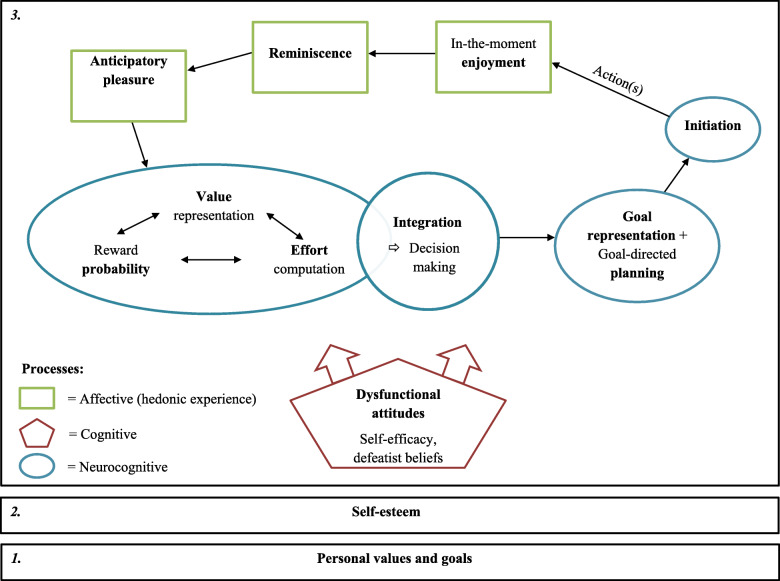
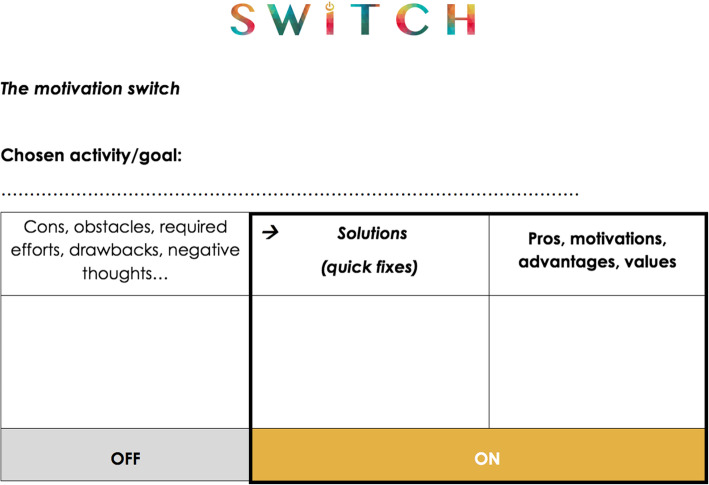
Background: Motivational negative symptoms hinder quality of life and daily functioning of individuals with schizophrenia spectrum disorders. A recently developed intervention, Switch, has shown promising effects on negative symptoms and functional outcomes. Switch targets multiple cognitive, emotional and behavioural processes associated with motivation and goal directed behaviours. We aimed to investigate its effects on motivation and associated processes in a naturalistic setting, and to explore the dynamics between the processes.
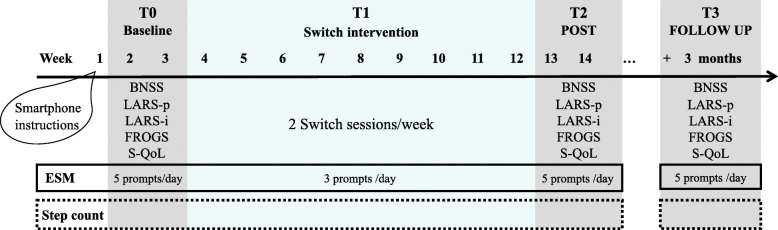
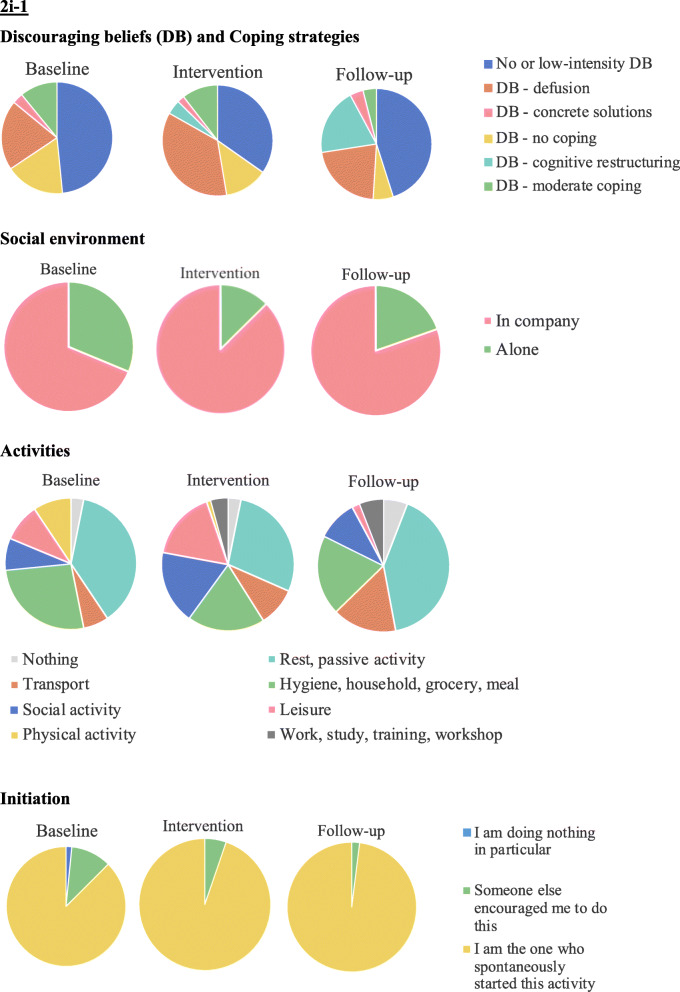
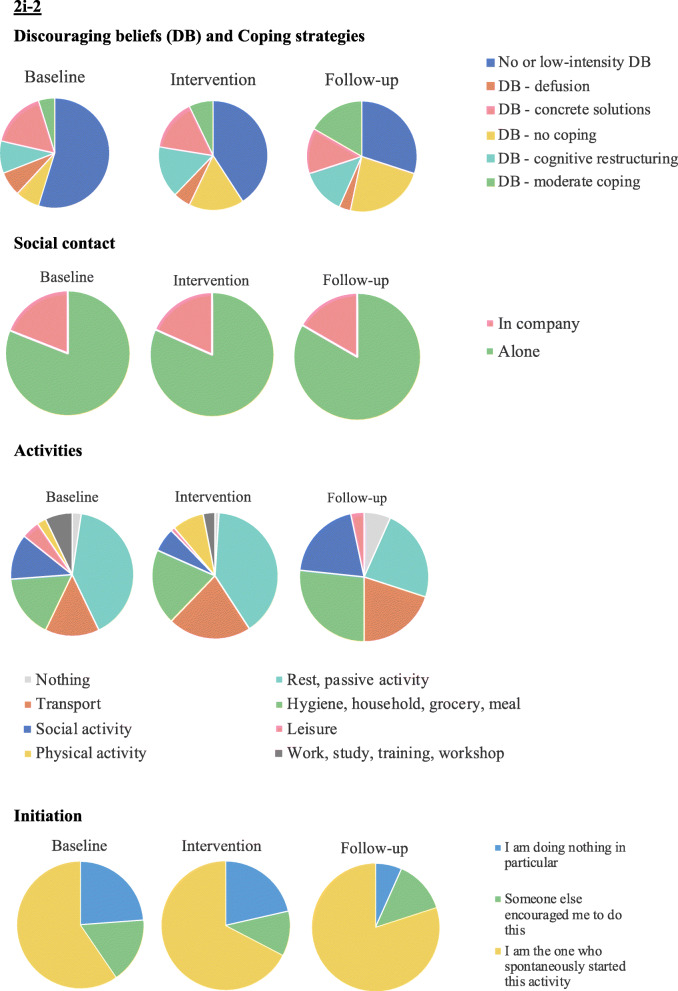
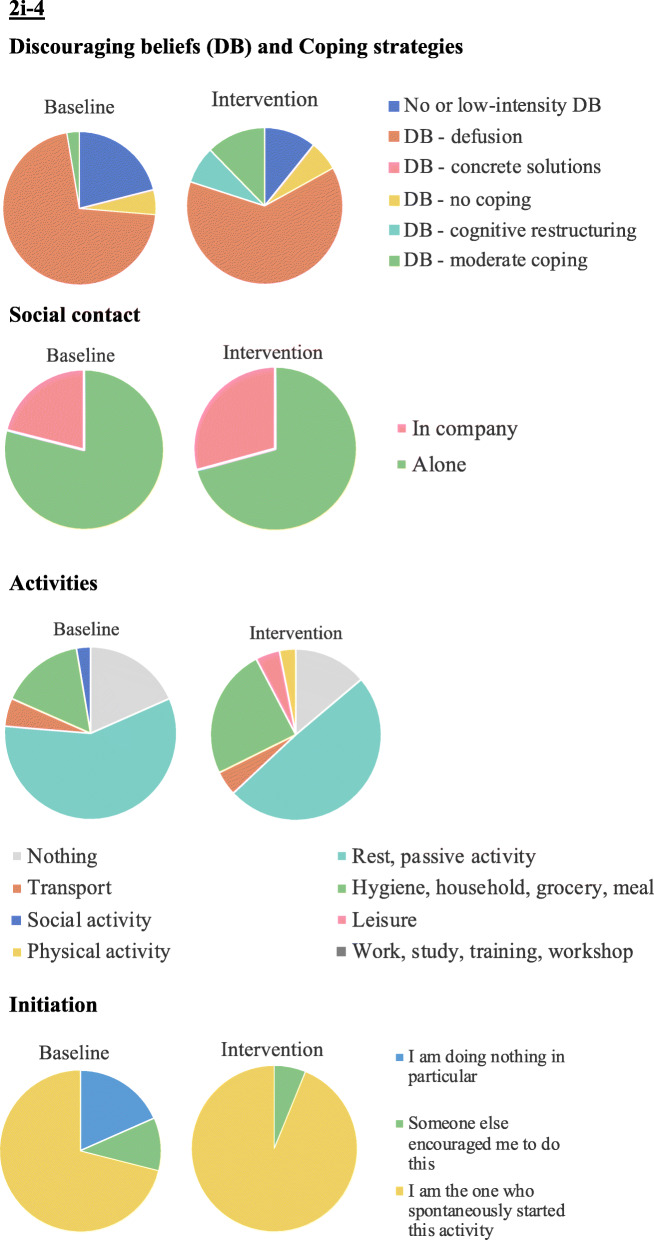
Methods: We used a single case approach (n = 3), with a pre-post and follow-up assessment design, which also included ambulatory assessments (experience sampling method, ESM; and step count). We computed autoregressive lag 1 models to evaluate the effects of the intervention on daily motivation levels and related processes, descriptive pie-charts, and vector autoregressive modelling to reveal the dynamics of the processes over time.
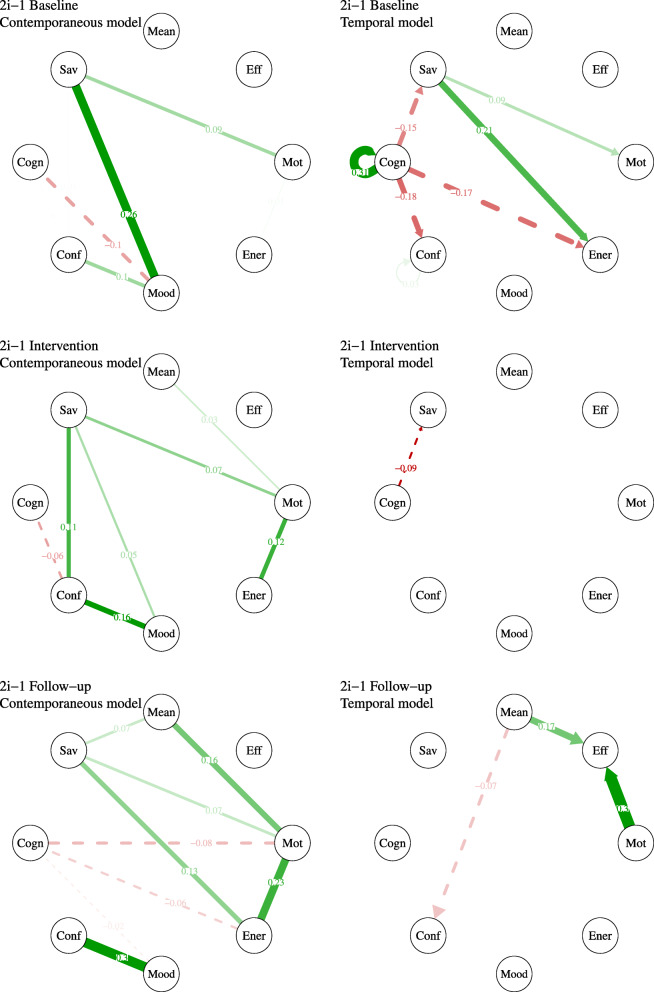
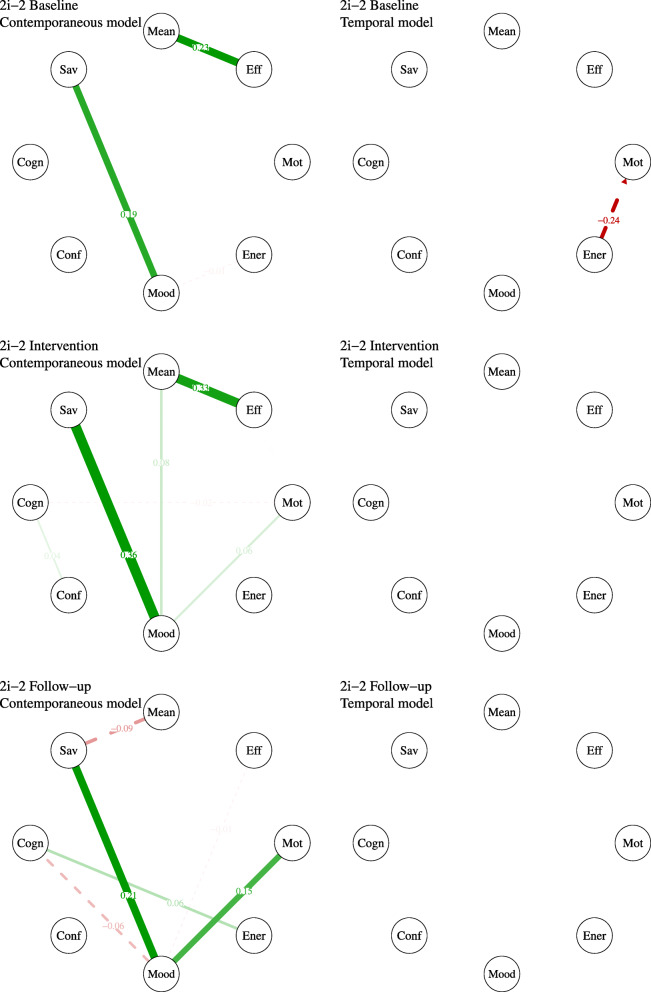
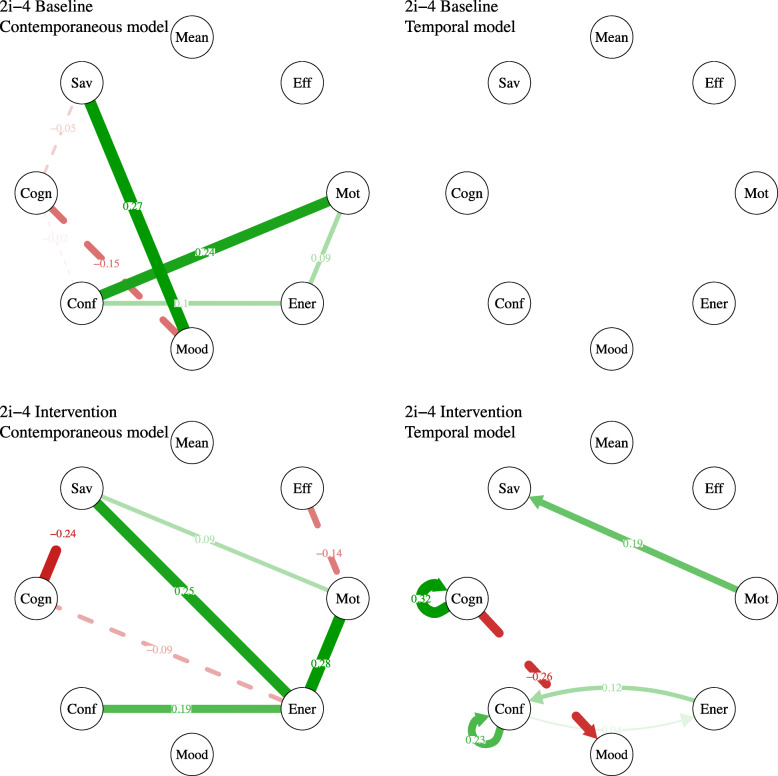
Results: The intervention was beneficial for each participant according to traditional evaluations of motivational negative symptoms, apathy, daily functioning and quality of life. The effects on the ESM variables revealed distinct outcomes for each individual. The dynamics between the various processes differed between participants, and fluctuated within participants (when comparing baseline, intervention phase, and follow-up).
Conclusions: This study used an innovative approach to look at the effectiveness of an intervention. The intervention seems to lead to meaningful improvements in motivational negative symptoms and functional outcomes. The mechanisms of change need to be further investigated.
Trial registration number: ClinicalTrials.gov, NCT04325100 . Registered 27 March 27, 2020 -retrospectively registered.
Reporting: Guidelines from the Transparent Reporting of Evaluations with Non-randomized Designs (TREND) statement were followed.
Keywords: Apathy; Ecological momentary assessment; Intervention; Single case; Timeseries analyses, dynamics.
Conflict of interest statement
The authors declare that they have no competing interests.
Figures
References
-
- Strauss GP, Horan WP, Kirkpatrick B, Fischer BA, Keller WR, Miski P, et al. Deconstructing negative symptoms of schizophrenia: Avolition–apathy and diminished expression clusters predict clinical presentation and functional outcome. J Psychiatr Res. 2013;47:783–790. doi: 10.1016/j.jpsychires.2013.01.015. - DOI - PMC - PubMed
-
- Beck AT, Himelstein R, Bredemeier K, Silverstein SM, Grant P. What accounts for poor functioning in people with schizophrenia: a re-evaluation of the contributions of neurocognitive v. attitudinal and motivational factors. Psychol Med. 2018;48:2776–2785. doi: 10.1017/S0033291718000442. - DOI - PubMed
Publication types
MeSH terms
Associated data
LinkOut - more resources
Full Text Sources
Medical
