


Therapeutic effect and safety of stem cell therapy for chronic liver disease: a systematic review and meta-analysis of randomized controlled trials
- PMID: 32977828
- PMCID: PMC7519526
- DOI: 10.1186/s13287-020-01935-w
Therapeutic effect and safety of stem cell therapy for chronic liver disease: a systematic review and meta-analysis of randomized controlled trials
Abstract
Background: Stem cell therapy is becoming an emerging therapeutic option for chronic liver disease (CLD). However, whether stem cell therapy is more effective than conventional treatment remains questionable. We performed a large-scale meta-analysis of randomized controlled trials (RCTs) to evaluate the therapeutic effects and safety of stem cell therapy for CLD.
Methods: We systematically searched MEDLINE, EMBASE, the Cochrane Central Register of Controlled Trials (CENTRAL), and ClinicalTrials.gov databases for the period from inception through March 16, 2020. Primary outcomes were all-cause mortality and adverse events related to stem cell therapy. Secondary outcomes included the model for end-stage liver disease score, total bilirubin, albumin, alanine aminotransferase, prothrombin activity, and international normalized ratio. The standardized mean difference (SMD) and odds ratio (OR) with 95% confidence interval (CI) were calculated using a random-effects model.
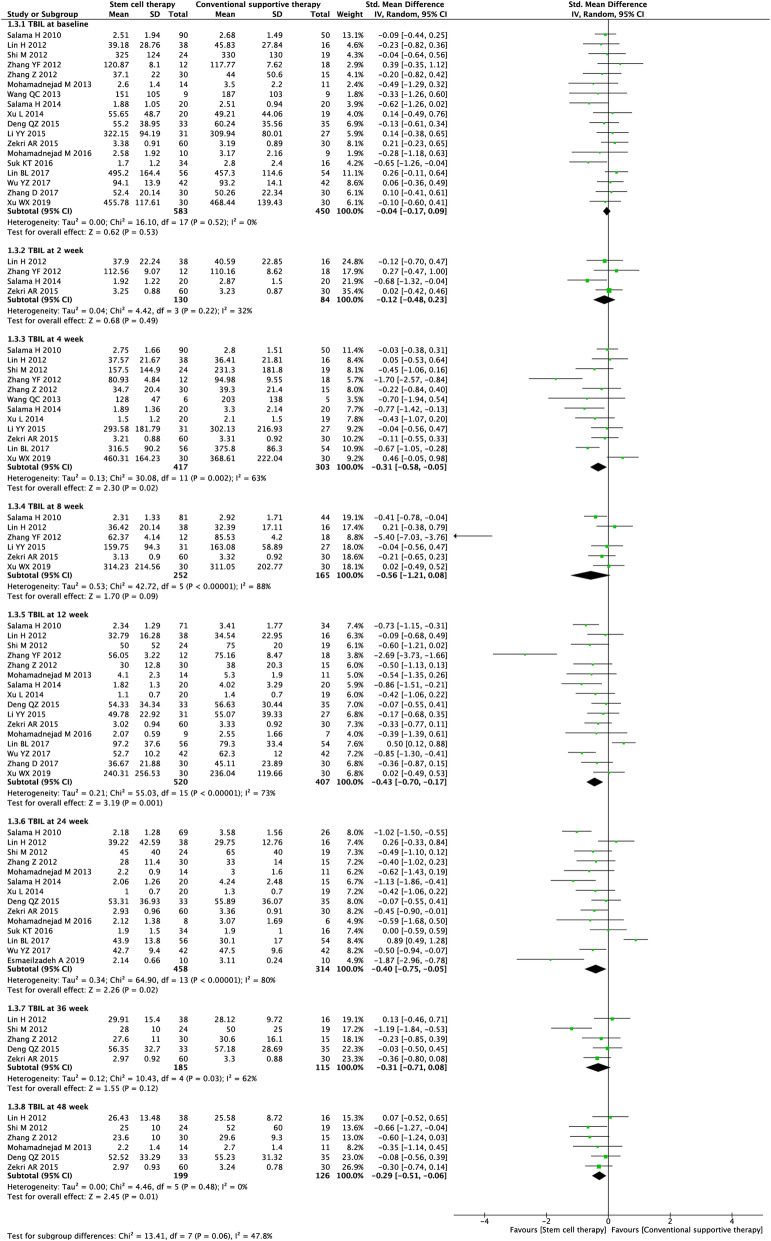
Results: Twenty-four RCTs were included and the majority of these studies showed a high risk of bias. The meta-analysis indicated that compared with conventional treatment, stem cell therapy was associated with improved survival and liver function including the model of end-stage liver disease score, total bilirubin, and albumin levels. However, it had no obvious beneficial effects on alanine aminotransferase level, prothrombin activity, and international normalized ratio. Subgroup analyses showed stem cell therapy conferred a short-term survival benefit for patients with acute-on-chronic liver failure (ACLF), a single injection was more effective than multiple injections, hepatic arterial infusion was more effective than intravenous infusion, and bone marrow-derived stem cells were more effective than those derived from the umbilical cord. Thirteen trials reported adverse events related to stem cell therapy, but no serious adverse events were reported.
Conclusions: Stem cell therapy is a safe and effective therapeutic option for CLD, while patients with ACLF benefit the most in terms of improved short-term survival. A single injection administration of bone marrow-derived stem cells via the hepatic artery has superior therapeutic effects.
Keywords: Acute-on-chronic liver failure; Cell transplantation; Liver disease; Stem cell therapy.
Conflict of interest statement
The authors declare that they have no competing interests.
Figures




References
-
- Global Health Estimates 2016: Deaths by cause, age, sex, by country and by rsegion, 2000–2016. Geneva, World Health Organization. 2018;Available from: https://www.who.int/healthinfo/global_burden_disease/estimates/en/. Accessed 29 Apr 2020.
-
- Yang LS, Shan LL, Saxena A, Morris DL. Liver transplantation: a systematic review of long-term quality of life. Liver Int. 2014;34(9):1298–1313. - PubMed
Publication types
MeSH terms
LinkOut - more resources
Full Text Sources
Medical
