


Comparative analysis of chloroplast genomes in Vasconcellea pubescens A.DC. and Carica papaya L
- PMID: 32978465
- PMCID: PMC7519098
- DOI: 10.1038/s41598-020-72769-y
Comparative analysis of chloroplast genomes in Vasconcellea pubescens A.DC. and Carica papaya L
Abstract
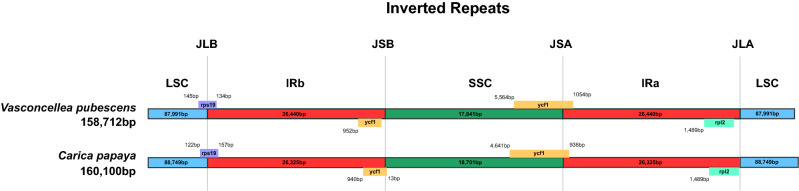
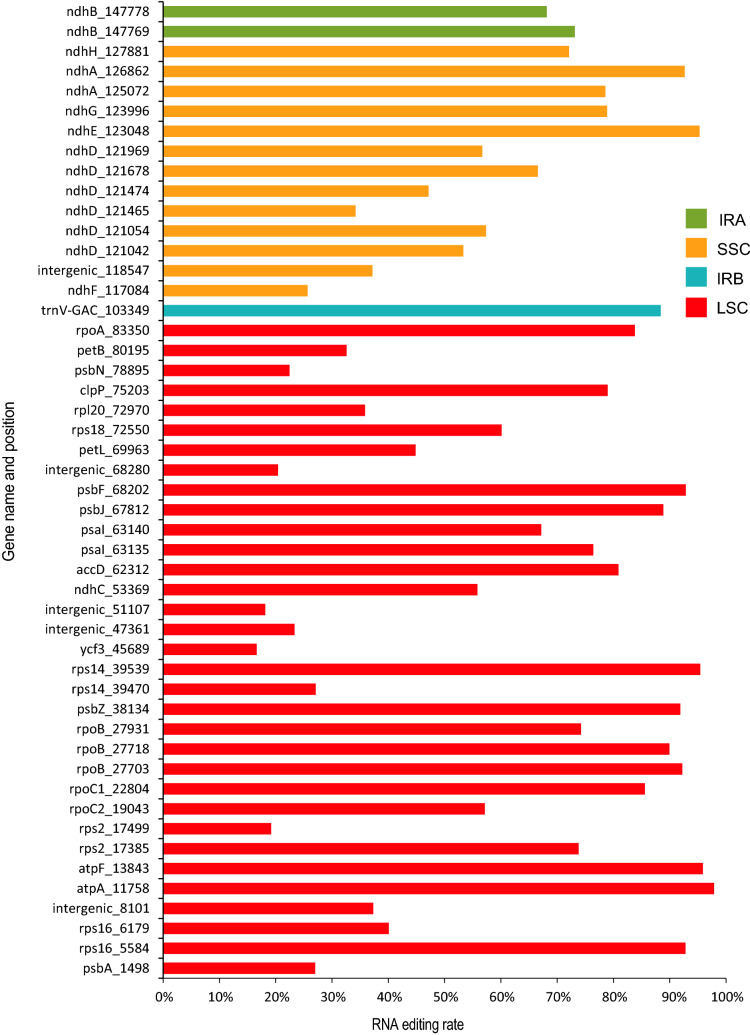
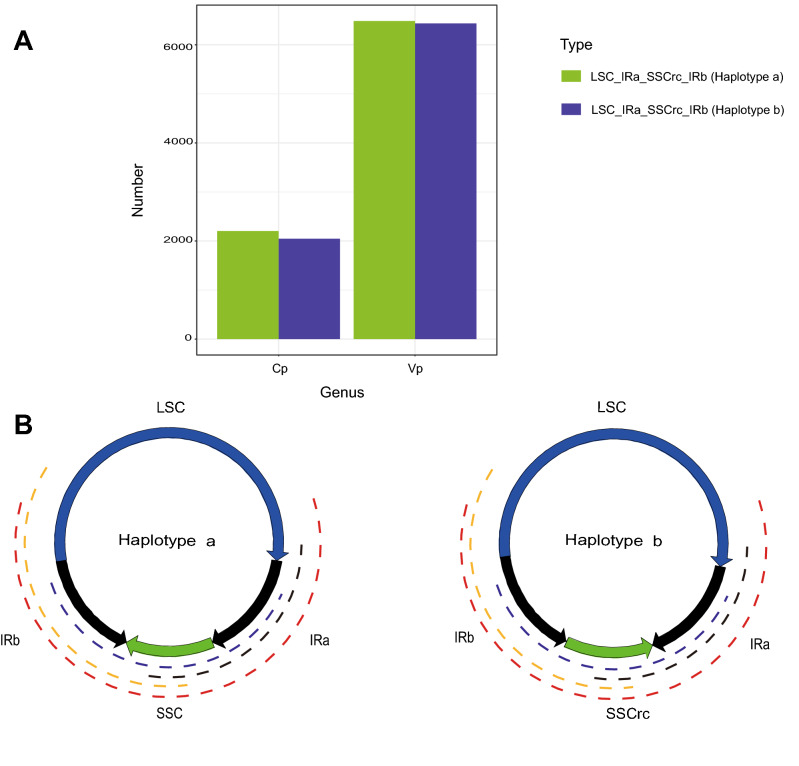
The chloroplast genome is an integral part of plant genomes in a species along with nuclear and mitochondrial genomes, contributing to adaptation, diversification, and evolution of plant lineages. In the family Caricaceae, only the Carica papaya chloroplast genome and its nuclear and mitochondrial genomes were sequenced, and no chloroplast genome-wide comparison across genera was conducted. Here, we sequenced and assembled the chloroplast genome of Vasconcellea pubescens A.DC. using Oxford Nanopore Technology. The size of the genome is 158,712 bp, smaller than 160,100 bp of the C. papaya chloroplast genome. And two structural haplotypes, LSC_IRa_SSCrc_IRb and LSC_IRa_SSC_IRb, were identified in both V. pubescens and C. papaya chloroplast genomes. The insertion-deletion mutations may play an important role in Ycf1 gene evolution in family Caricaceae. Ycf2 is the only one gene positively selected in the V. pubescens chloroplast genome. In the C. papaya chloroplast genome, there are 46 RNA editing loci with an average RNA editing efficiency of 63%. These findings will improve our understanding of the genomes of these two crops in the family Caricaceae and will contribute to crop improvement.
Conflict of interest statement
The authors declare no competing interests.
Figures


References
-
- Salvatierra-González MA, Jana-Ayala C. Floral expression and pollen germination ability in productive mountain papaya (Vasconcelleapubescens A.DC.) orchards. Chil. J. Agric. Res. 2016;76:132–142. doi: 10.4067/S0718-58392016000200001. - DOI
-
- Ray M, Moore P. Genetics and Genomics of Papaya. Berlin: Springer; 2014.
-
- Gaete-Eastman C, et al. Expression of an ethylene-related expansin gene during softening of mountain papaya fruit (Vasconcellea pubescens) Postharvest Biol. Technol. 2009;53:58–65. doi: 10.1016/j.postharvbio.2009.03.007. - DOI
Publication types
MeSH terms
Substances
LinkOut - more resources
Full Text Sources
