


The mutational signature profile of known and suspected human carcinogens in mice
- PMID: 32989322
- PMCID: PMC7610456
- DOI: 10.1038/s41588-020-0692-4
The mutational signature profile of known and suspected human carcinogens in mice
Abstract
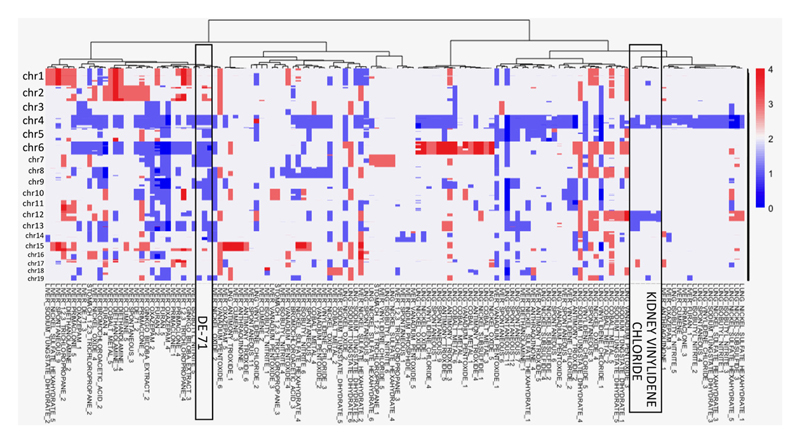
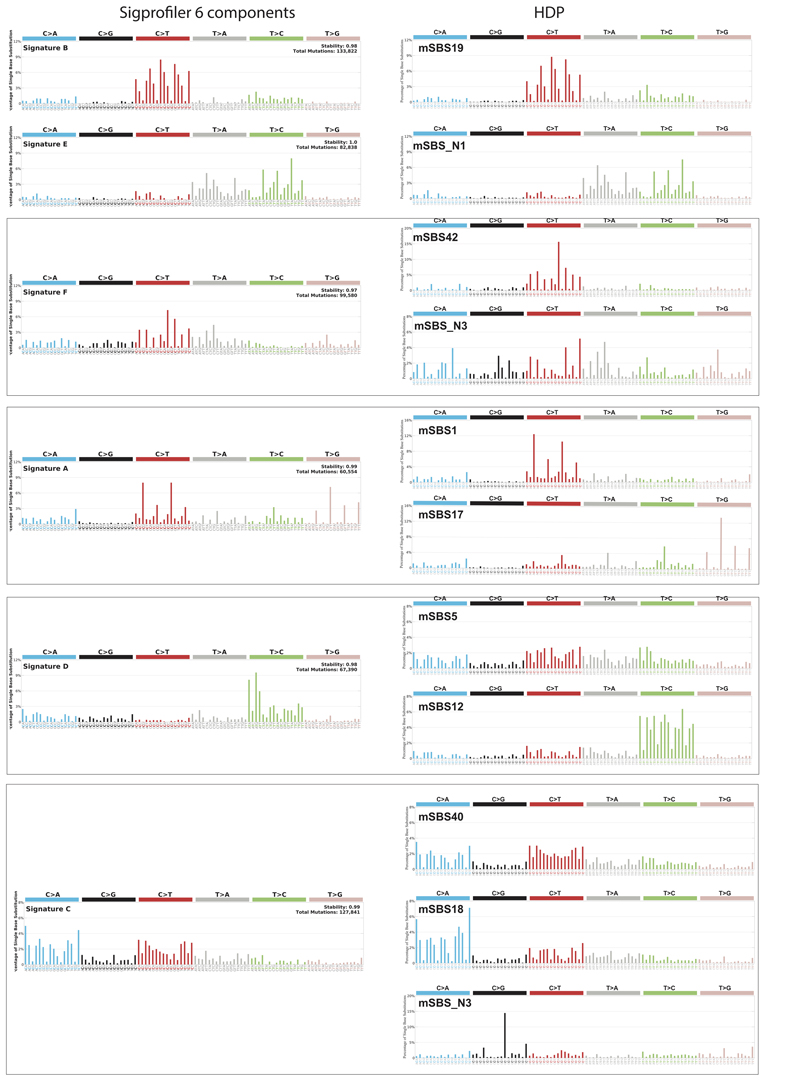
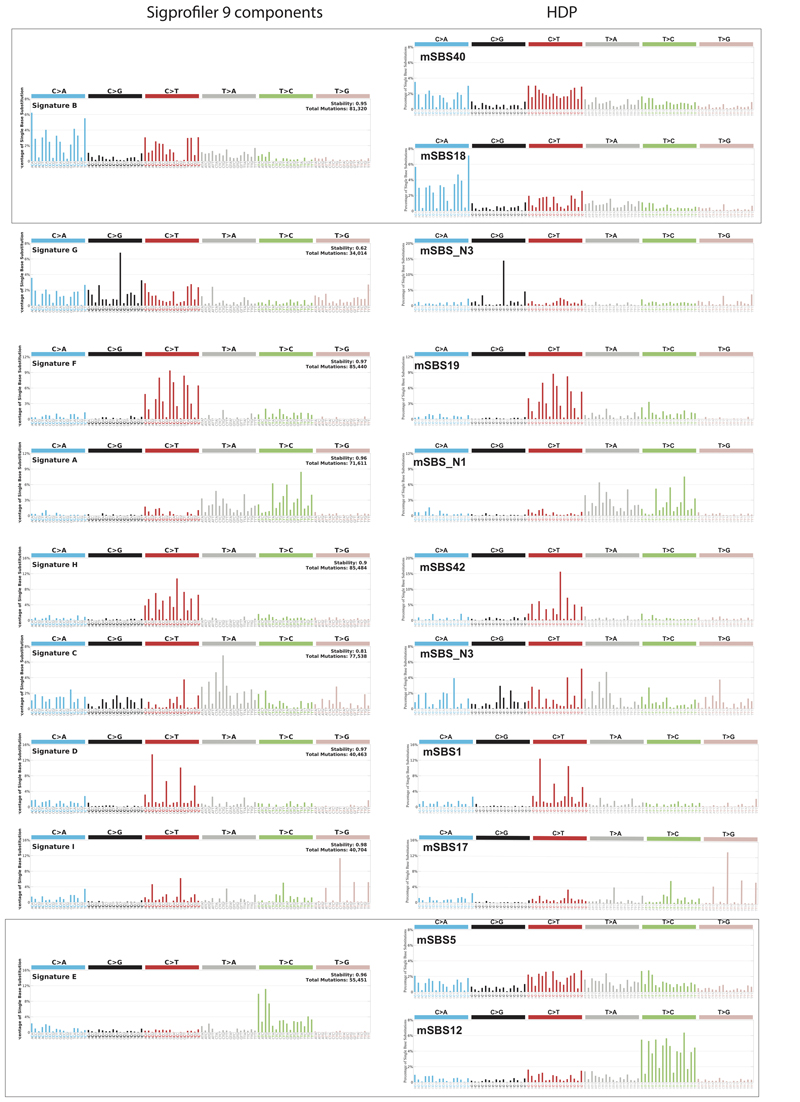
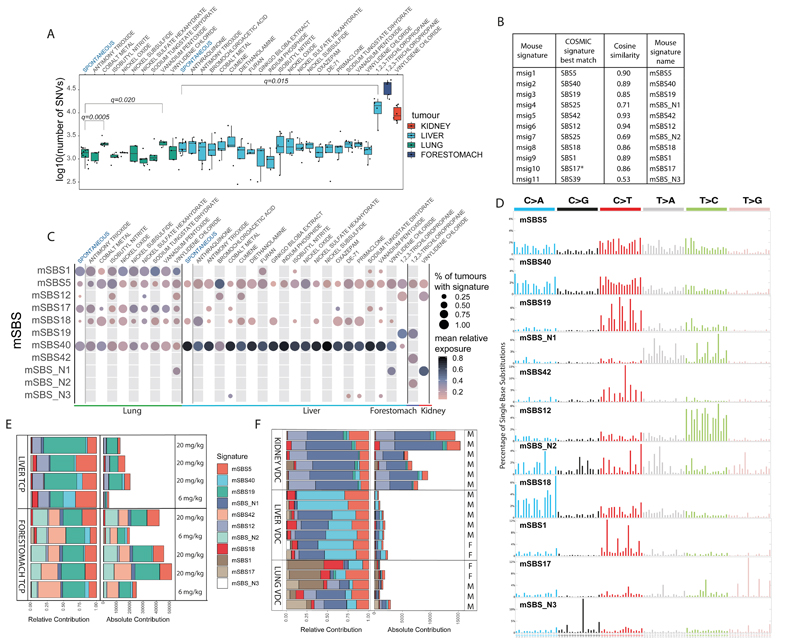
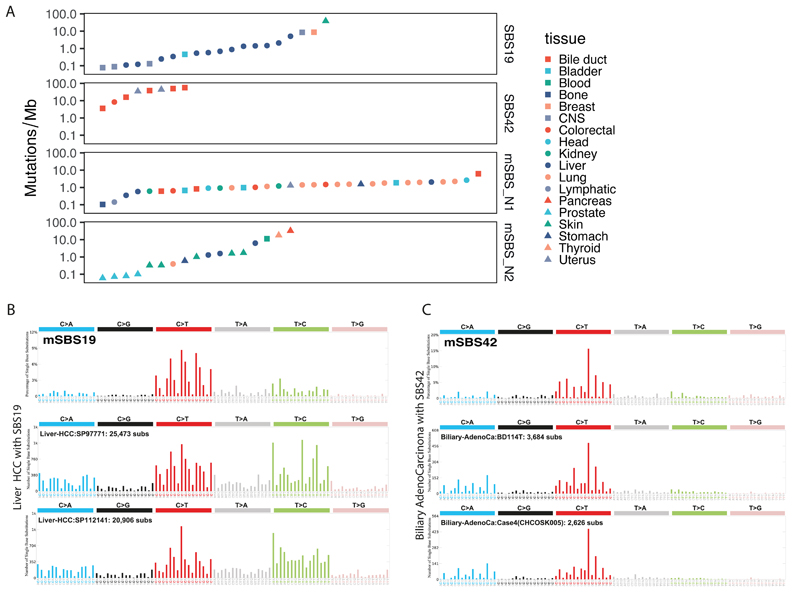
Epidemiological studies have identified many environmental agents that appear to significantly increase cancer risk in human populations. By analyzing tumor genomes from mice chronically exposed to 1 of 20 known or suspected human carcinogens, we reveal that most agents do not generate distinct mutational signatures or increase mutation burden, with most mutations, including driver mutations, resulting from tissue-specific endogenous processes. We identify signatures resulting from exposure to cobalt and vinylidene chloride and link distinct human signatures (SBS19 and SBS42) with 1,2,3-trichloropropane, a haloalkane and pollutant of drinking water, and find these and other signatures in human tumor genomes. We define the cross-species genomic landscape of tumors induced by an important compendium of agents with relevance to human health.
Conflict of interest statement
The authors have no competing interests to declare.
Figures



Comment in
-
The ways in which carcinogens work.Nat Rev Cancer. 2020 Dec;20(12):695. doi: 10.1038/s41568-020-00314-0. Nat Rev Cancer. 2020. PMID: 33110244 No abstract available.
-
Are carcinogens direct mutagens?Nat Genet. 2020 Nov;52(11):1137-1138. doi: 10.1038/s41588-020-00730-w. Nat Genet. 2020. PMID: 33128047 No abstract available.
References
-
- Bucher JR. The National Toxicology Program rodent bioassay: designs, interpretations, and scientific contributions. Ann N Y Acad Sci. 2002;982:198–207. - PubMed
-
- Innes JR, et al. Bioassay of pesticides and industrial chemicals for tumorigenicity in mice: a preliminary note. J Natl Cancer Inst. 1969;42:1101–14. - PubMed
