


Improving radiologic communication in oncology: a single-centre experience with structured reporting for cancer patients
- PMID: 32990824
- PMCID: PMC7524991
- DOI: 10.1186/s13244-020-00907-1
Improving radiologic communication in oncology: a single-centre experience with structured reporting for cancer patients
Abstract
Objectives: Our aim was to develop a structured reporting concept (structured oncology report, SOR) for general follow-up assessment of cancer patients in clinical routine. Furthermore, we analysed the report quality of SOR compared to conventional reports (CR) as assessed by referring oncologists.
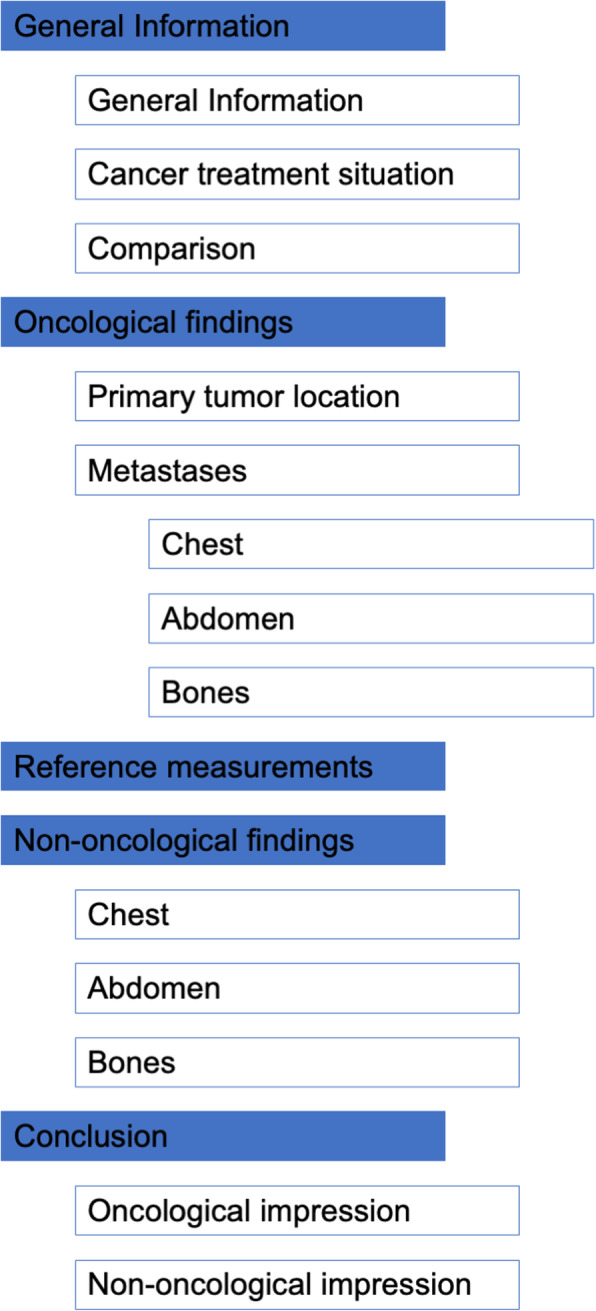
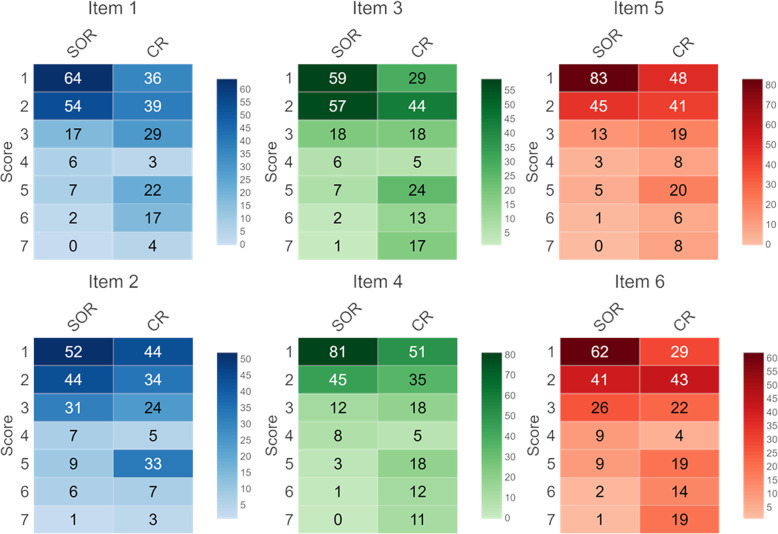
Methods: SOR was designed to provide standardised layout, tabulated tumour burden documentation and standardised conclusion using uniform terminology. A software application for reporting was programmed to ensure consistency of layout and vocabulary and to facilitate utilisation of SOR. Report quality was analysed for 25 SOR and 25 CR retrospectively by 6 medical oncologists using a 7-point scale (score 1 representing the best score) for 6 questionnaire items addressing different elements of report quality and overall satisfaction. A score of ≤ 3 was defined as a positive rating.
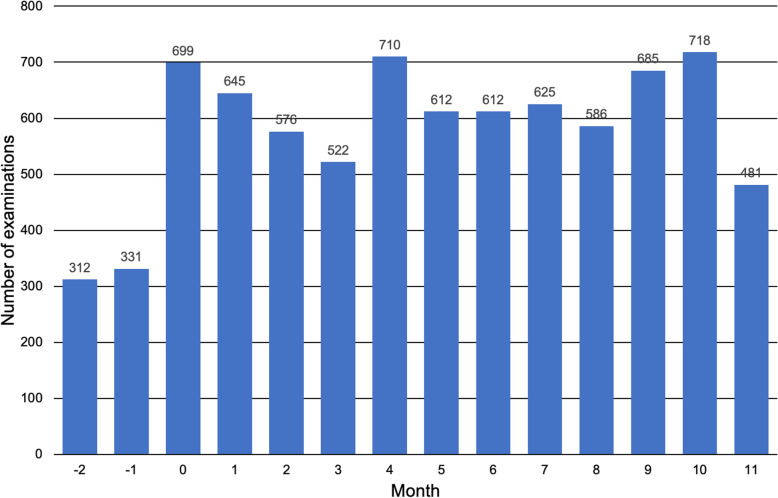
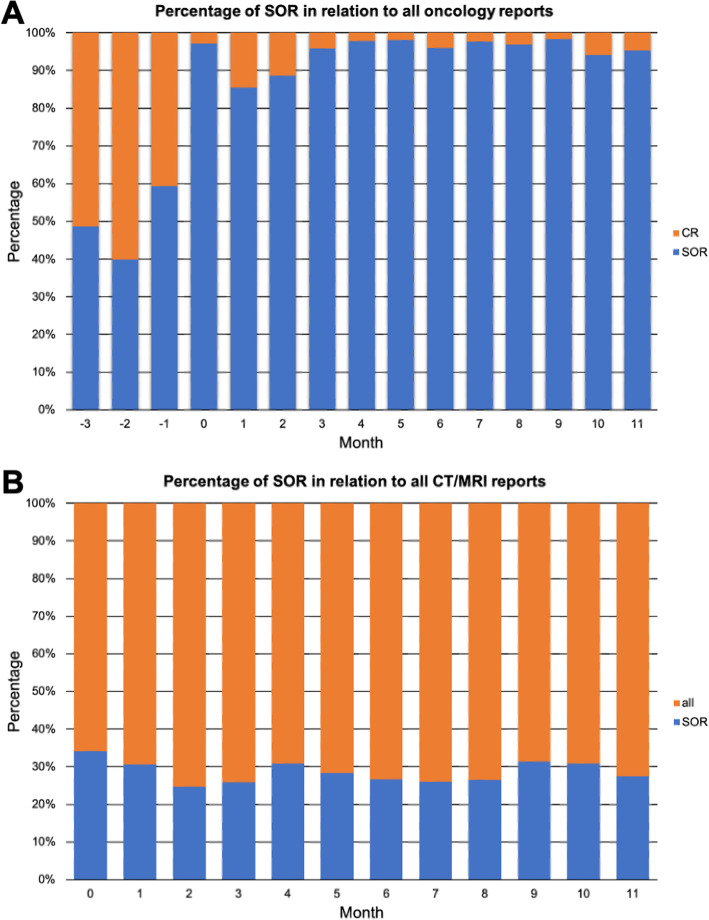
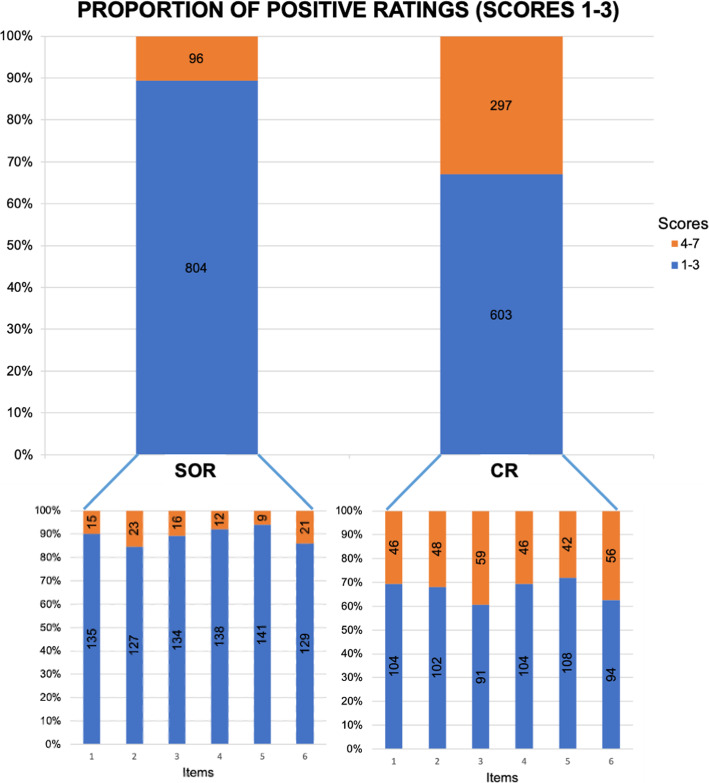
Results: In the first year after full implementation, 7471 imaging examinations were reported using SOR. The proportion of SOR in relation to all oncology reports increased from 49 to 95% within a few months. Report quality scores were better for SOR for each questionnaire item (p < 0.001 each). Averaged over all questionnaire item scores were 1.98 ± 1.22 for SOR and 3.05 ± 1.93 for CR (p < 0.001). The overall satisfaction score was 2.15 ± 1.32 for SOR and 3.39 ± 2.08 for CR (p < 0.001). The proportion of positive ratings was higher for SOR (89% versus 67%; p < 0.001).
Conclusions: Department-wide structured reporting for follow-up imaging performed for assessment of anticancer treatment efficacy is feasible using a dedicated software application. Satisfaction of referring oncologist with report quality is superior for structured reports.
Keywords: Diagnostic imaging; Image interpretation (computer-assisted); Medical oncology; Neoplasms.
Conflict of interest statement
There are no competing interests.
Figures
References
-
- Pinto Dos Santos D, Hempel JM, Mildenberger P, Klöckner R, Persigehl T (2018) Structured reporting in clinical routine. Rofo 191:33–39. 10.1055/a-0636-3851 - PubMed
-
- Dunnick NR, Langlotz CP (2008) The radiology report of the future: a summary of the 2007 Intersociety Conference. J Am Coll Radiol 5:626–629 - PubMed
-
- Beets-Tan RGH, Lambregts DMJ, Maas M, et al. Magnetic resonance imaging for clinical management of rectal cancer: updated recommendations from the 2016 European Society of Gastrointestinal and Abdominal Radiology (ESGAR) consensus meeting. Eur Radiol. 2018;28:1465–1475. doi: 10.1007/s00330-017-5026-2. - DOI - PMC - PubMed
LinkOut - more resources
Full Text Sources
