


Porcine circovirus type 2 (PCV2) and Campylobacter infection induce diarrhea in piglets: Microbial dysbiosis and intestinal disorder
- PMID: 33005770
- PMCID: PMC7503086
- DOI: 10.1016/j.aninu.2020.05.003
Porcine circovirus type 2 (PCV2) and Campylobacter infection induce diarrhea in piglets: Microbial dysbiosis and intestinal disorder
Abstract
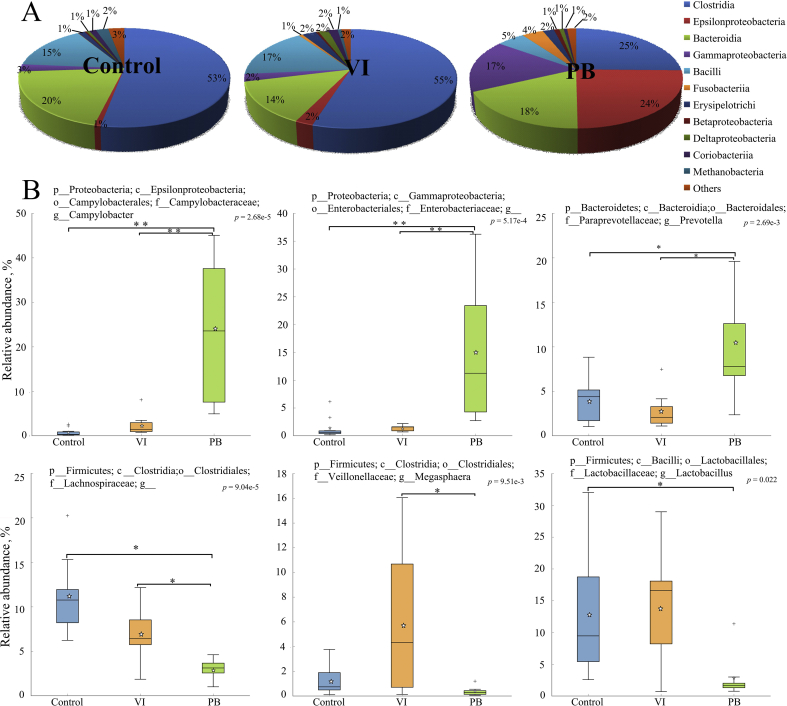
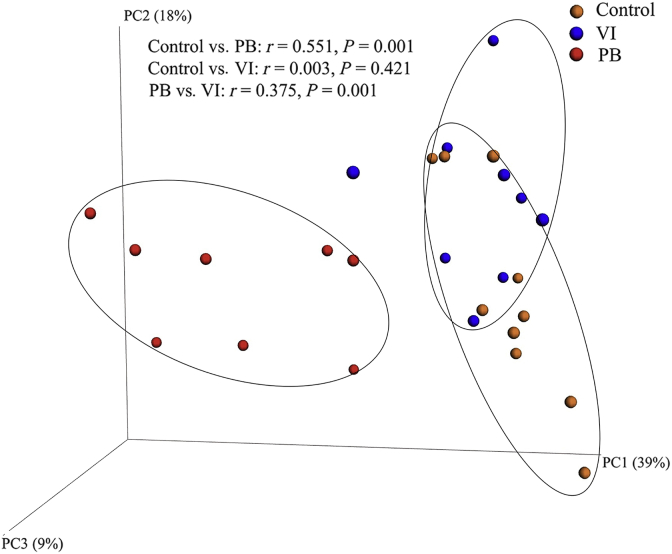
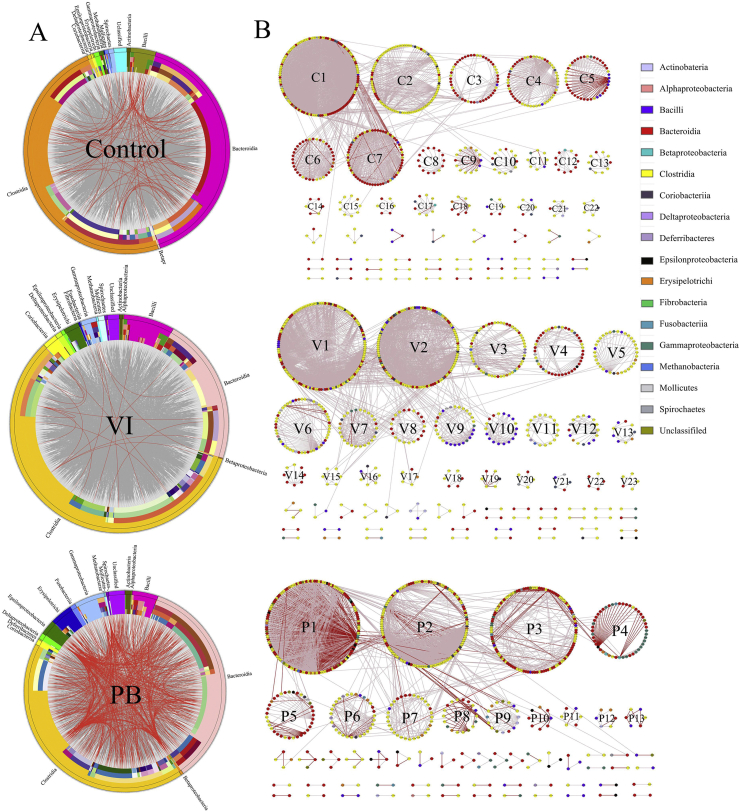
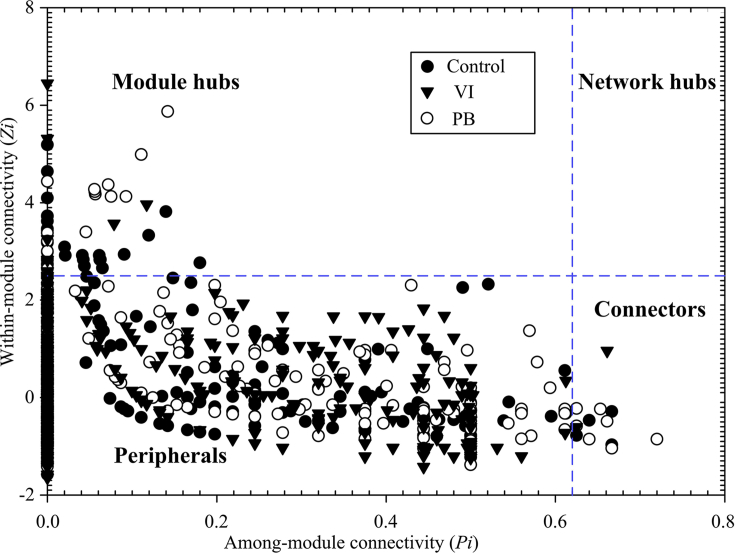
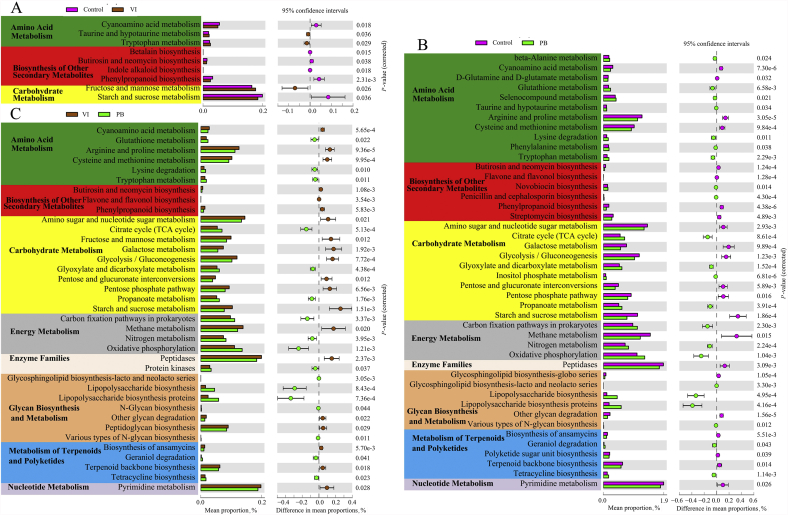
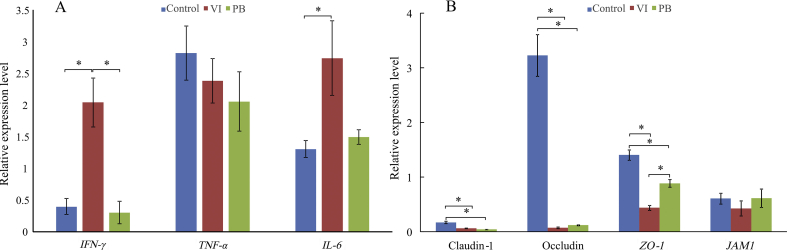
Diarrhea is considered to be associated with microbial dysbiosis caused by infection of pathogens but poorly understood. We herein characterized the colonic microbiota of diarrheal early-weaning piglets infected with porcine circovirus type 2 (PCV2) and Campylobacter. Campylobacter infection significantly decreased species richness and Shannon diversity index of colonic microbiota together with a significant increase in the proportion of Campylobacter and Enterobacteriaceae, whereas no significant difference on the above indexes was observed in piglets infected with PCV2 compared with healthy piglets. PCV2 and Campylobacter infection could disturb the homeostasis of colonic microbiota through deterioration of ecological network within microbial community, and specially Campylobacter performed as a module hub in ecological networks. The microbial dysbiosis caused metabolic dysfunction and led to a remarkable reduction in production of short chain fatty acids, following by a higher pH level in colon cavity. Campylobacter infection disturbed the function of colonic tract barrier observed in terms of significant lower relative expression of claudin-1, occluding, and zonula occludens protein-1 genes, and PCV2 infection induced intestinal inflammation together with a higher permeability of colon. Generally, these results suggested that PCV2 and Campylobacter infection could induce microbial dysbiosis and metabolic dysfunction, and cause intestinal disorder, all of which finally were associated to contribute to the diarrhea of early-weaning piglets.
Keywords: Inter-species interaction; Intestinal permeability; Metabolic dysfunction; Microbial dysbiosis; Pathogens infection; Short chain fatty acid.
© 2020 Chinese Association of Animal Science and Veterinary Medicine. Production and hosting by Elsevier B.V. on behalf of KeAi Communications Co., Ltd.
Conflict of interest statement
We declare that we have no financial and personal relationships with other people or organizations that can inappropriately influence our work, there is no professional or other personal interest of any nature or kind in any product, service and/or company that could be construed as influencing the content of this paper.
Figures
References
-
- Akira A., Tomoyuki T., Yoshihide F. Role of dietary fiber and short-chain fatty acids in the colon. Curr Pharmaceut Des. 2003;9:347–358. - PubMed
-
- Bouter K.E., Raalte D.H.V., Groen A.K., Nieuwdorp M. Role of the gut microbiome in the pathogenesis of obesity and obesity-related metabolic dysfunction. Gastroenterology. 2017;152:1671. - PubMed
LinkOut - more resources
Full Text Sources
Research Materials
