


SARS-CoV-2 coronavirus in water and wastewater: A critical review about presence and concern
- PMID: 33011225
- PMCID: PMC7528884
- DOI: 10.1016/j.envres.2020.110265
SARS-CoV-2 coronavirus in water and wastewater: A critical review about presence and concern
Abstract
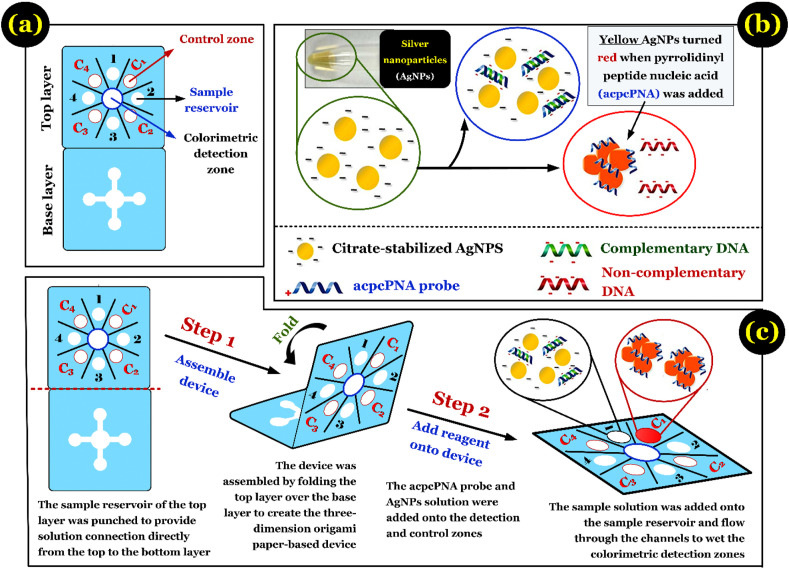
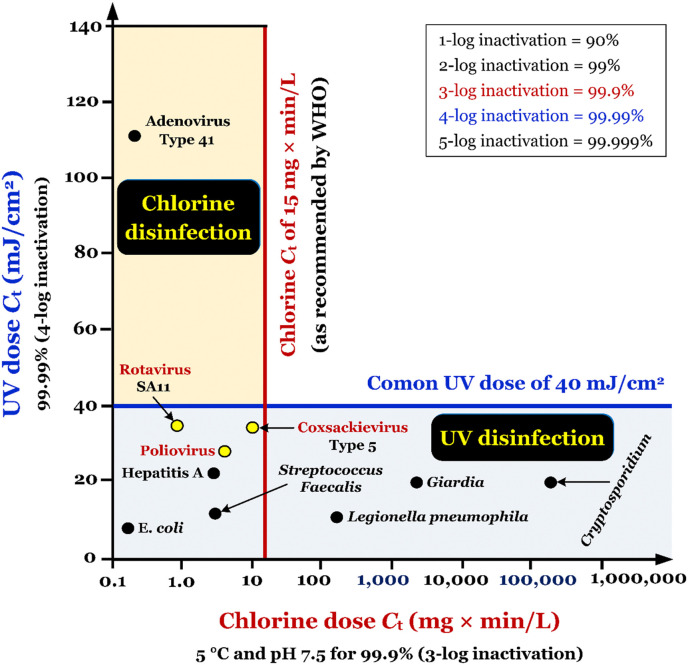
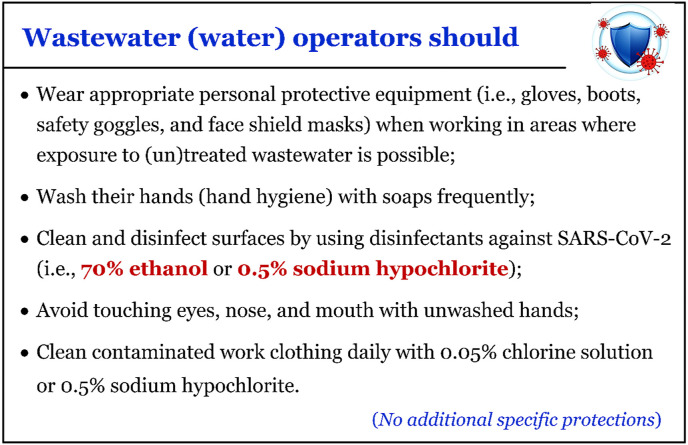
The presence of severe acute respiratory syndrome coronavirus 2 (SARS-CoV-2) in water and wastewater has recently been reported. According to the updated literature, the stools and masks of the patients diagnosed with coronavirus disease (COVID-19) were considered as the primary route of coronavirus transmission into water and wastewater. Most coronavirus types which attack human (possible for SARS-CoV-2) are often inactivated rapidly in water (i.e., the survival of human coronavirus 229E in water being 7 day at 23 °C). However, the survival period of coronavirus in water environments strongly depends on temperature, property of water, concentration of suspended solids and organic matter, solution pH, and dose of disinfectant used. The World Health Organization has stated that the current disinfection process of drinking water could effectively inactivate most of the bacterial and viral communities present in water, especially SARS-CoV-2 (more sensitive to disinfectant like free chlorine). A recent study confirmed that SARS-CoV-2 RNA was detected in inflow wastewater (but not detected in outflow one). Although the existence of SARS-CoV-2 in water influents has been confirmed, an important question is whether it can survive or infect after the disinfection process of drinking water. To date, only one study confirmed that the infectivity of SARS-CoV-2 in water for people was null based on the absence of cytopathic effect (CPE) in infectivity tests. Therefore, further studies should focus on the survival of SARS-CoV-2 in water and wastewater under different operational conditions (i.e., temperature and water matrix) and whether the transmission from COVID-19-contaminated water to human is an emerging concern. Although paper-based devices have been suggested for detecting the traces of SARS-CoV-2 in water, the protocols and appropriate devices should be developed soon. Wastewater and sewage workers should follow the procedures for safety precaution against SARS-CoV-2 exposure.
Keywords: COVID-19; Coronavirus; Enveloped virus; SARS-CoV-2; Sewage; Wastewater.
Copyright © 2020 Elsevier Inc. All rights reserved.
Conflict of interest statement
The authors declare that they have no known competing financial interests or personal relationships that could have appeared to influence the work reported in this paper.
Figures

References
-
- Ahmed W., Angel N., Edson J., Bibby K., Bivins A., O'Brien J.W., Choi P.M., Kitajima M., Simpson S.L., Li J., Tscharke B., Verhagen R., Smith W.J.M., Zaugg J., Dierens L., Hugenholtz P., Thomas K.V., Mueller J.F. First confirmed detection of SARS-CoV-2 in untreated wastewater in Australia: a proof of concept for the wastewater surveillance of COVID-19 in the community. Sci. Total Environ. 2020;728:138764. - PMC - PubMed
-
- Ahmed W., Bertsch P.M., Angel N., Bibby K., Bivins A., Dierens L., Edson J., Ehret J., Gyawali P., Hamilton K., Hosegood I., Hugenholtz P., Jiang G., Kitajima M., Sichani H.T., Shi J., Shimko K.M., Simpson S.L., Smith W.J.M., Symonds E.M., Thomas Dsc K.V., Verhagen R., Zaugg J., Mueller J.F. Detection of SARS-CoV-2 RNA in commercial passenger aircraft and cruise ship wastewater: a surveillance tool for assessing the presence of COVID-19 infected travelers. J. Trav. Med. 2020 doi: 10.1093/jtm/taaa116. - DOI - PMC - PubMed
-
- Alpaslan Kocamemi B., Kurt H., Sait A., Sarac F., Saatci A.M., Pakdemirli B. SARS-CoV-2 detection in Istanbul wastewater treatment plant sludges. medRxiv. 2020;2005 2020. 2012.20099358.
Publication types
MeSH terms
Substances
LinkOut - more resources
Full Text Sources
Other Literature Sources
Medical
Research Materials
Miscellaneous
