


The impact of COVID-19 control measures on social contacts and transmission in Kenyan informal settlements
- PMID: 33012285
- PMCID: PMC7533154
- DOI: 10.1186/s12916-020-01779-4
The impact of COVID-19 control measures on social contacts and transmission in Kenyan informal settlements
Abstract
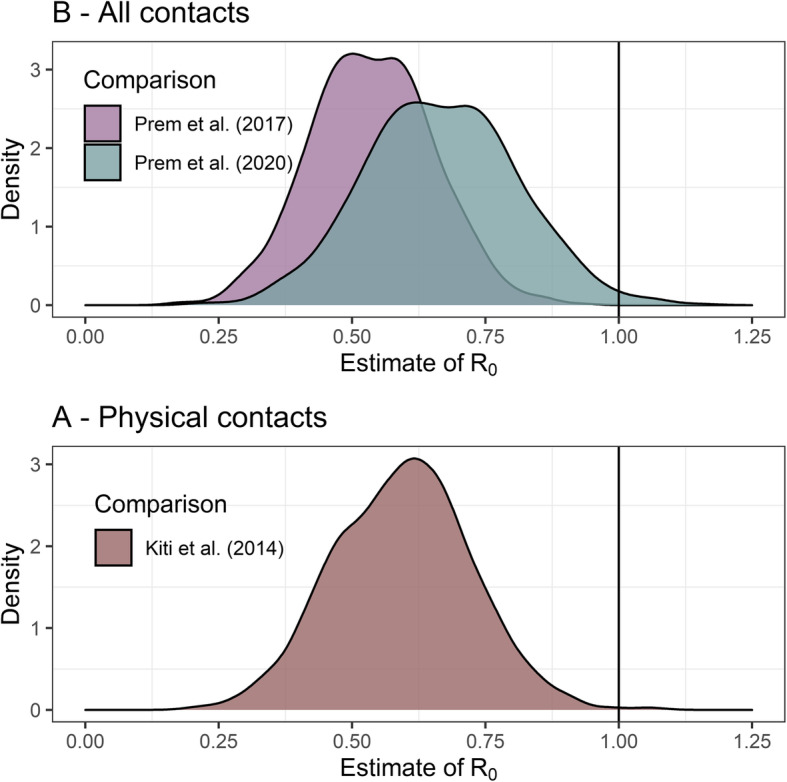
Background: Many low- and middle-income countries have implemented control measures against coronavirus disease 2019 (COVID-19). However, it is not clear to what extent these measures explain the low numbers of recorded COVID-19 cases and deaths in Africa. One of the main aims of control measures is to reduce respiratory pathogen transmission through direct contact with others. In this study, we collect contact data from residents of informal settlements around Nairobi, Kenya, to assess if control measures have changed contact patterns, and estimate the impact of changes on the basic reproduction number (R0).
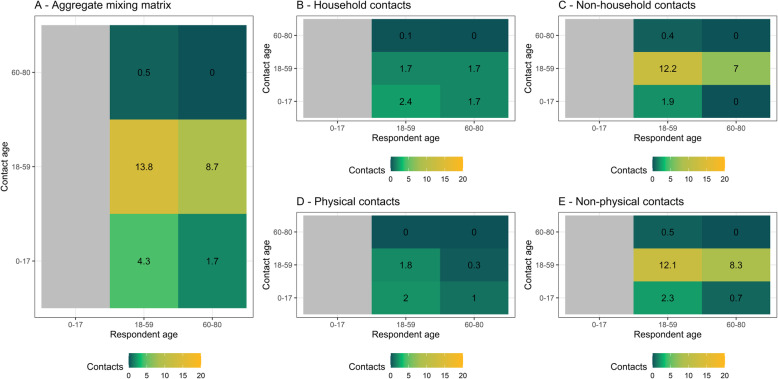
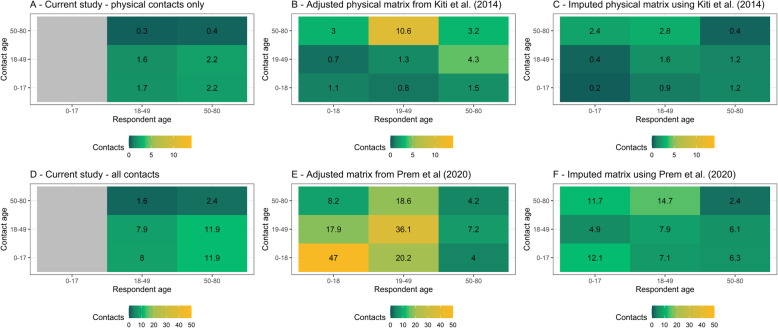
Methods: We conducted a social contact survey with 213 residents of five informal settlements around Nairobi in early May 2020, 4 weeks after the Kenyan government introduced enhanced physical distancing measures and a curfew between 7 pm and 5 am. Respondents were asked to report all direct physical and non-physical contacts made the previous day, alongside a questionnaire asking about the social and economic impact of COVID-19 and control measures. We examined contact patterns by demographic factors, including socioeconomic status. We described the impact of COVID-19 and control measures on income and food security. We compared contact patterns during control measures to patterns from non-pandemic periods to estimate the change in R0.
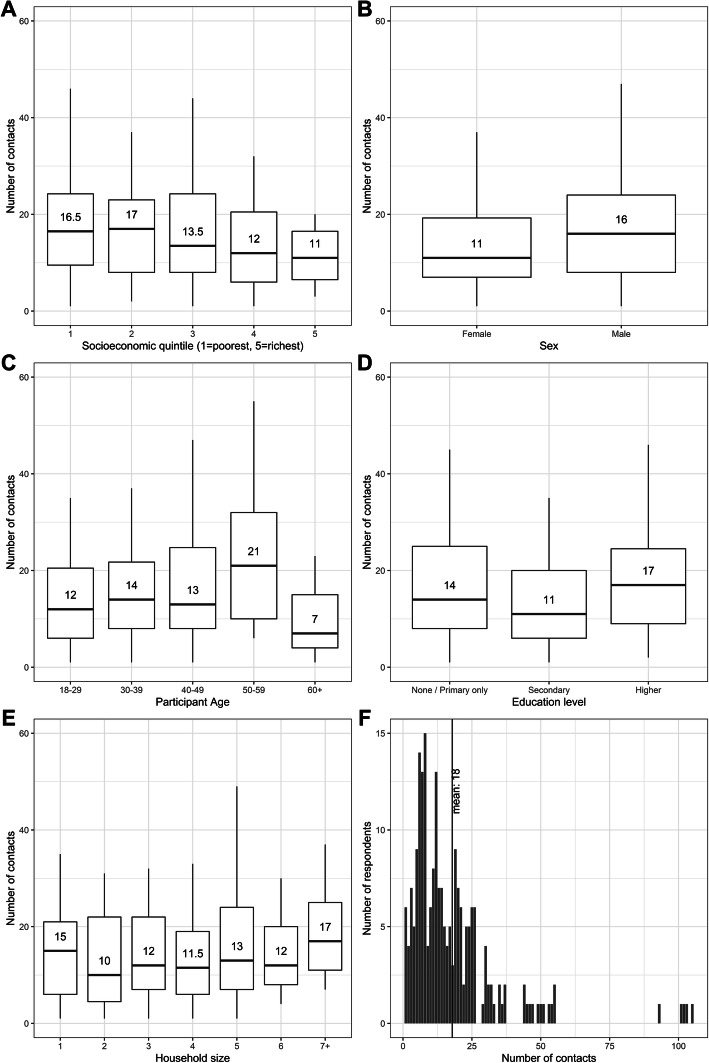
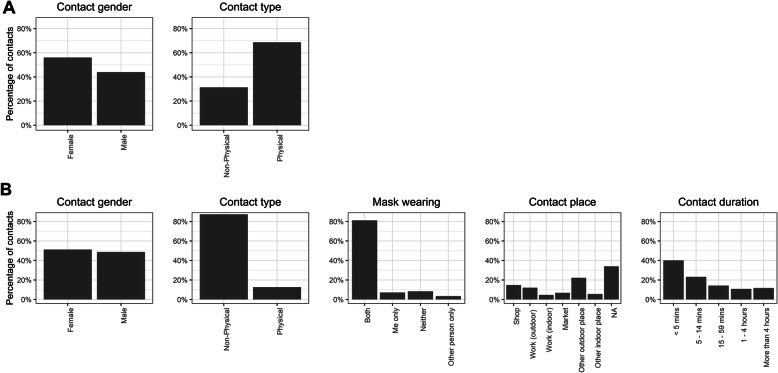
Results: We estimate that control measures reduced physical contacts by 62% and non-physical contacts by either 63% or 67%, depending on the pre-COVID-19 comparison matrix used. Masks were worn by at least one person in 92% of contacts. Respondents in the poorest socioeconomic quintile reported 1.5 times more contacts than those in the richest. Eighty-six percent of respondents reported a total or partial loss of income due to COVID-19, and 74% reported eating less or skipping meals due to having too little money for food.
Conclusion: COVID-19 control measures have had a large impact on direct contacts and therefore transmission, but have also caused considerable economic and food insecurity. Reductions in R0 are consistent with the comparatively low epidemic growth in Kenya and other sub-Saharan African countries that implemented similar, early control measures. However, negative and inequitable impacts on economic and food security may mean control measures are not sustainable in the longer term.
Keywords: COVID-19; Physical distancing; SARS-CoV-2; Social contacts.
Conflict of interest statement
All authors declare no conflict of interest.
Figures
References
-
- Hale, T., et al. Oxford COVID-19 Government Response Tracker, Blavatnik School of Government. 2020 24/5/2020]; Available from: https://www.bsg.ox.ac.uk/research/research-projects/coronavirus-governme.... Accessed 4 Aug 2020.
-
- Cabore JW, Karamagi HC, Kipruto H, Asamani JA, Droti B, Seydi ABW, Titi-Ofei R, Impouma B, Yao M, Yoti Z, Zawaira F. The potential effects of widespread community transmission of SARS-CoV-2 infection in the World Health Organization African Region: a predictive model. BMJ Global Health. 2020;5(5):e002647. - PMC - PubMed
Publication types
MeSH terms
Grants and funding
LinkOut - more resources
Full Text Sources
Medical
Miscellaneous
