


Modulation of Escherichia coli Translation by the Specific Inactivation of tRNAGly Under Oxidative Stress
- PMID: 33014012
- PMCID: PMC7461829
- DOI: 10.3389/fgene.2020.00856
Modulation of Escherichia coli Translation by the Specific Inactivation of tRNAGly Under Oxidative Stress
Abstract
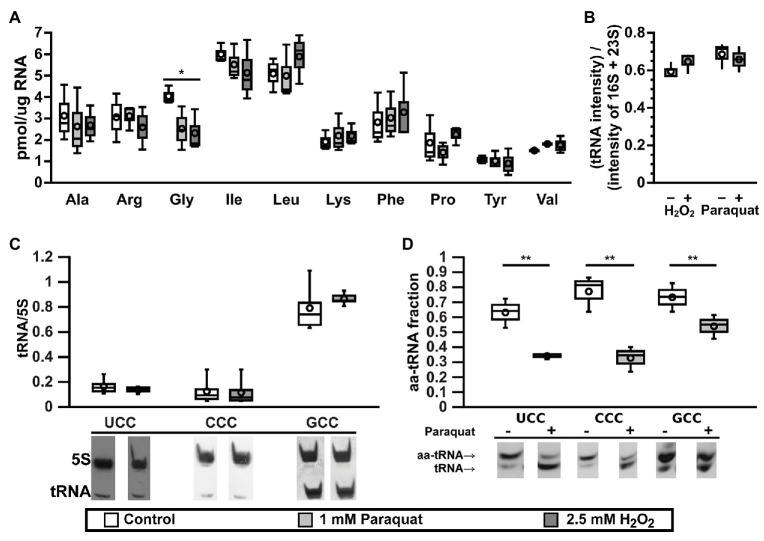
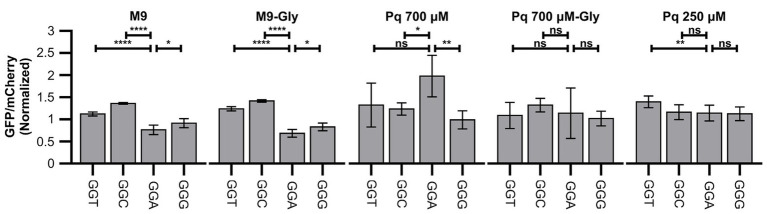
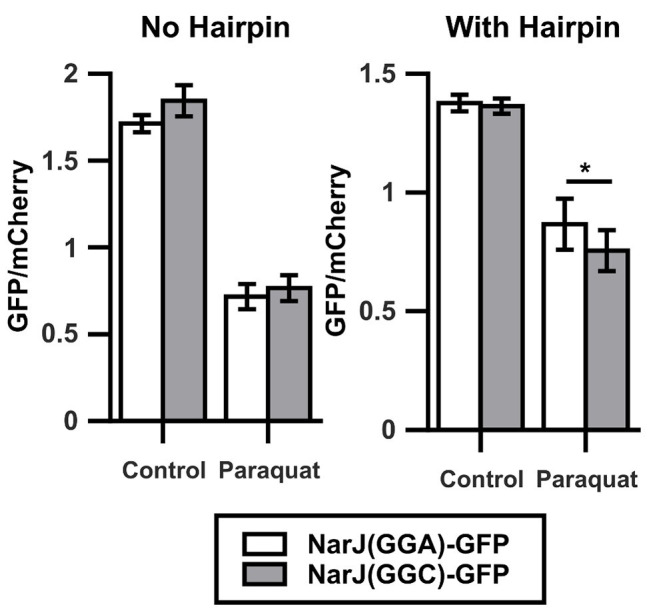
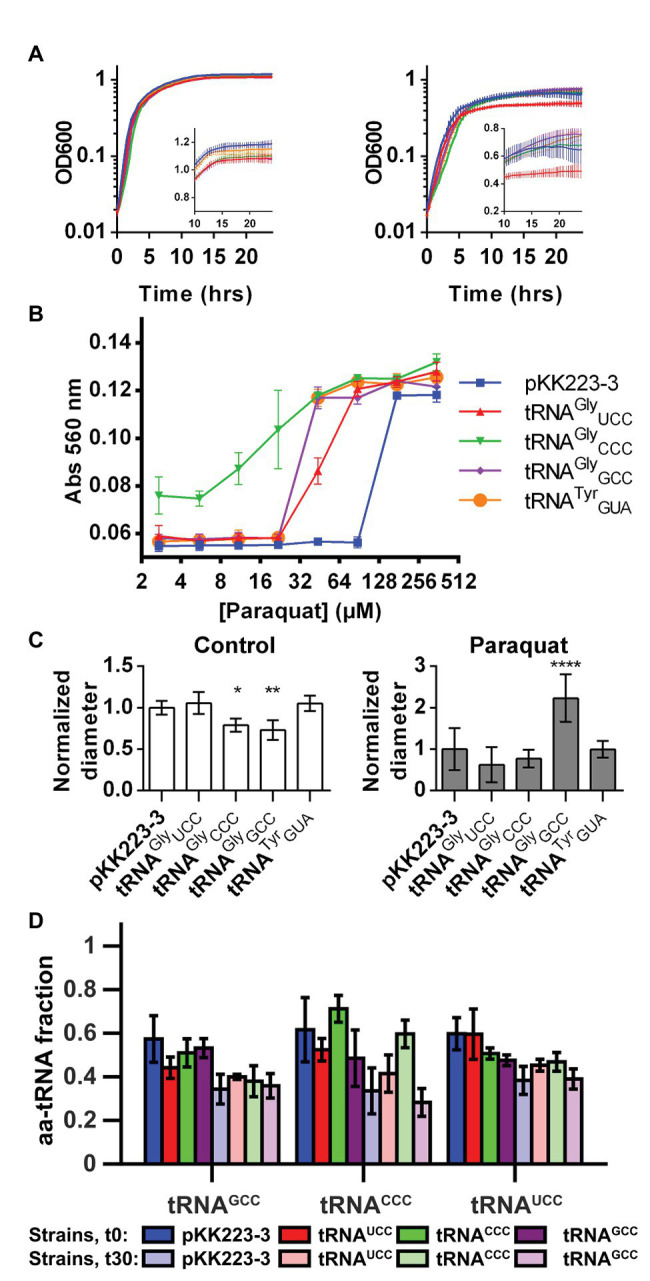
Bacterial oxidative stress responses are generally controlled by transcription factors that modulate the synthesis of RNAs with the aid of some sRNAs that control the stability, and in some cases the translation, of specific mRNAs. Here, we report that oxidative stress additionally leads to inactivation of tRNAGly in Escherichia coli, inducing a series of physiological changes. The observed inactivation of tRNAGly correlated with altered efficiency of translation of Gly codons, suggesting a possible mechanism of translational control of gene expression under oxidative stress. Changes in translation also depended on the availability of glycine, revealing a mechanism whereby bacteria modulate the response to oxidative stress according to the prevailing metabolic state of the cells.
Keywords: Escherichia coli; codon; glycine; oxidative stress; tRNAGly; translation.
Copyright © 2020 Leiva, Pincheira, Elgamal, Kienast, Bravo, Leufken, Gutiérrez, Leidel, Ibba and Katz.
Figures
References
-
- Blondel C. J., Jiménez J. C., Leiva L. E., Alvarez S. A., Pinto B. I., Contreras F., et al. . (2013). The type VI secretion system encoded in Salmonella pathogenicity island 19 is required for Salmonella enterica serotype gallinarum survival within infected macrophages. Infect. Immun. 81, 1207–1220. 10.1128/IAI.01165-12, PMID: - DOI - PMC - PubMed
