


Dignity therapy online: Piloting an online psychosocial intervention for people with terminal illness
- PMID: 33014409
- PMCID: PMC7509717
- DOI: 10.1177/2055207620958527
Dignity therapy online: Piloting an online psychosocial intervention for people with terminal illness
Abstract
Objective: Dignity therapy is a life review intervention shown to reduce distress and enhance the quality of life for people with a terminal illness and their families. Dignity therapy is not widely used in clinical practice because it is time and cost prohibitive. This pilot study examined the feasibility and acceptability of dignity therapy delivered through therapist-supported web-based delivery to reduce costs, increase time efficiency, and promote access to treatment.
Methods: This study employed a one-group pre-test post-test design to pilot methods. Australian adults diagnosed with a terminal illness with a prognosis of six months or less were recruited for the study. The primary outcome measure was a Participant Feedback Questionnaire used in previous face-to-face dignity therapy studies. Data regarding therapist time and details about final documents were recorded.
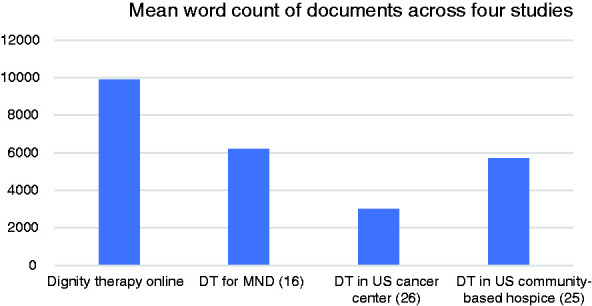
Results: Six people were recruited; four chose to complete the intervention via videoconference and two chose email. Participants reported high levels of acceptability and efficacy comparable to face-to-face delivery; meanwhile therapist time was about 40% less and legacy documents were longer. Participants described dignity therapy online as convenient, but technological issues may create challenges.
Conclusions: Online delivery of dignity therapy is feasible and acceptable, reduces therapist time and clinical cost, and appears to reach people who would not otherwise receive the therapy. Dignity therapy via email may have the greatest potential to reduce time and cost barriers. This pilot study demonstrates a need for further research to determine the full benefits of online delivery of dignity therapy.
Keywords: E-health; counselling; dignity therapy; end of life care; life review; palliative care; psychosocial care; psychotherapy; telepsychology.
© The Author(s) 2020.
Figures
References
-
- Bentley B, O'Connor M, Shaw J, et al. A narrative review of dignity therapy research. Aust Psychol 2017; 52: 354–362.
-
- Chochinov H, Hack T, Hassard T, et al. Dignity therapy: a novel psychotherapeutic intervention for patients near the end of life. J Clin Oncol 2005; 23: 5520–5525. - PubMed
-
- Chochinov HM, Hack T, McClement S, et al. Dignity in the terminally ill: a developing empirical model. Soc Sci Med 2002; 54: 433–443. - PubMed
LinkOut - more resources
Full Text Sources
