


Three-dimensional, Scaffold-Free, Autologous Chondrocyte Transplantation: A Systematic Review
- PMID: 33015211
- PMCID: PMC7509739
- DOI: 10.1177/2325967120951152
Three-dimensional, Scaffold-Free, Autologous Chondrocyte Transplantation: A Systematic Review
Abstract
Background: A 3-dimensional, scaffold-free, and completely autologous form of chondrocyte transplantation (ACT3D) has been developed and applied in clinical practice in the past decade to overcome disadvantages of previous-generation procedures.
Purpose: To document and analyze the available literature on the results of ACT3D in the treatment of articular chondral lesions in the knee and hip joints.
Study design: Systematic review; Level of evidence, 4.
Methods: All studies published in English addressing ACT3D were identified and included those that fulfilled the following criteria: (1) level 1 through 4 evidence, (2) measures of radiological or functional/clinical outcome, and (3) outcome related to cartilage lesions of the knee and hip joints.
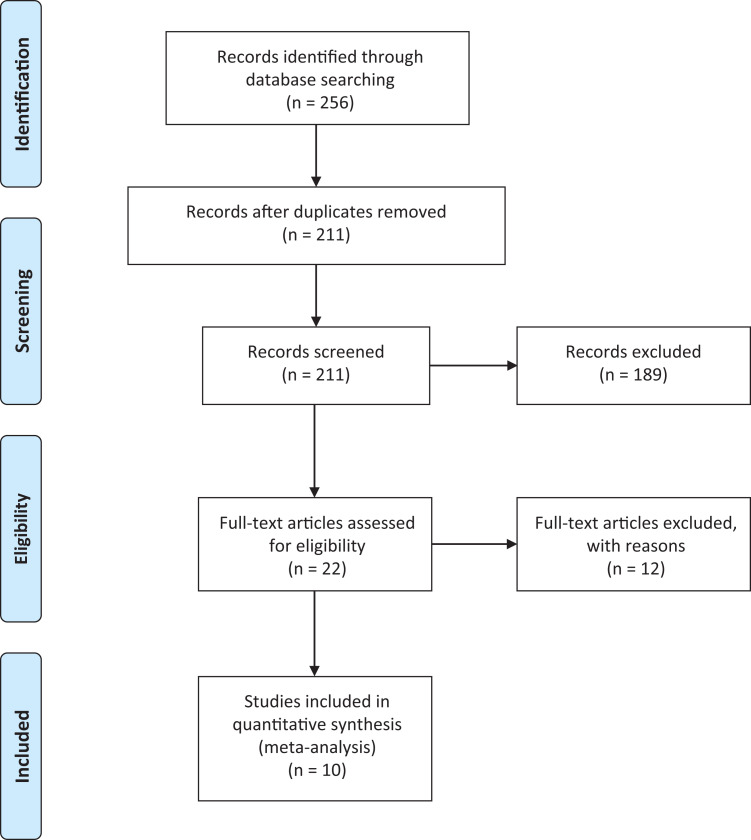
Results: A total of 10 studies were selected: 2 randomized controlled trials, 1 cohort study, and 7 case series. The studies revealed significant increases in patients' subjective quality of life, satisfaction, pain reduction, and improvement in joint function at short- to medium-term follow-up. Magnetic resonance imaging-assisted examination and second-look arthroscopy showed a hyaline-like repair tissue with a high degree of defect filling and integration.
Conclusion: ACT3D shows promising results in the therapy of articular cartilage defects in the knee as well as in the hip, but well-designed, long-term studies are lacking. ACT3D might have relevant advantages over common matrix-associated autologous chondrocyte transplantation products, but systematic evaluation and randomized controlled studies are crucial to verify the potential of this tissue-engineered approach.
Keywords: ACT3D; Chondrosphere; Spherox; autologous chondrocyte transplantation; tissue engineering.
© The Author(s) 2020.
Conflict of interest statement
The authors declared that there are no conflicts of interest in the authorship and publication of this contribution. AOSSM checks author disclosures against the Open Payments Database (OPD). AOSSM has not conducted an independent investigation on the OPD and disclaims any liability or responsibility relating thereto.
Figures
References
-
- Albrecht C, Reuter C-A, Stelzeneder D, et al. Matrix production affects MRI outcomes after matrix-associated autologous chondrocyte transplantation in the knee. Am J Sports Med. 2017;45(10):2238–2246. - PubMed
-
- Aldrian S, Zak L, Wondrasch B, et al. Clinical and radiological long-term outcomes after matrix-induced autologous chondrocyte transplantation: a prospective follow-up at a minimum of 10 years. Am J Sports Med. 2014;42(11):2680–2688. - PubMed
-
- Anderer U, Libera J. In vitro engineering of human autogenous cartilage. J Bone Min Res. 2002;17(8):1420–1429. - PubMed
-
- Armoiry X, Cummins E, Connock M, et al. Autologous chondrocyte implantation with chondrosphere for treating articular cartilage defects in the knee: an evidence review group perspective of a NICE single technology appraisal. PharmacoEconomics. 2019;37(7):879–886. - PubMed
Publication types
LinkOut - more resources
Full Text Sources
Miscellaneous
