Physical Therapy Referral From Primary Care for Acute Back Pain With Sciatica : A Randomized Controlled Trial
- PMID: 33017565
- PMCID: PMC7856080
- DOI: 10.7326/M20-4187
Physical Therapy Referral From Primary Care for Acute Back Pain With Sciatica : A Randomized Controlled Trial
Abstract
Background: Few studies have examined primary care management for acute sciatica, including referral to physical therapy.
Objective: To evaluate whether early referral to physical therapy reduced disability more than usual care (UC) alone for patients with acute sciatica.
Design: Randomized controlled clinical trial. (ClinicalTrials.gov: NCT02391350).
Setting: 2 health care systems in Salt Lake City, Utah.
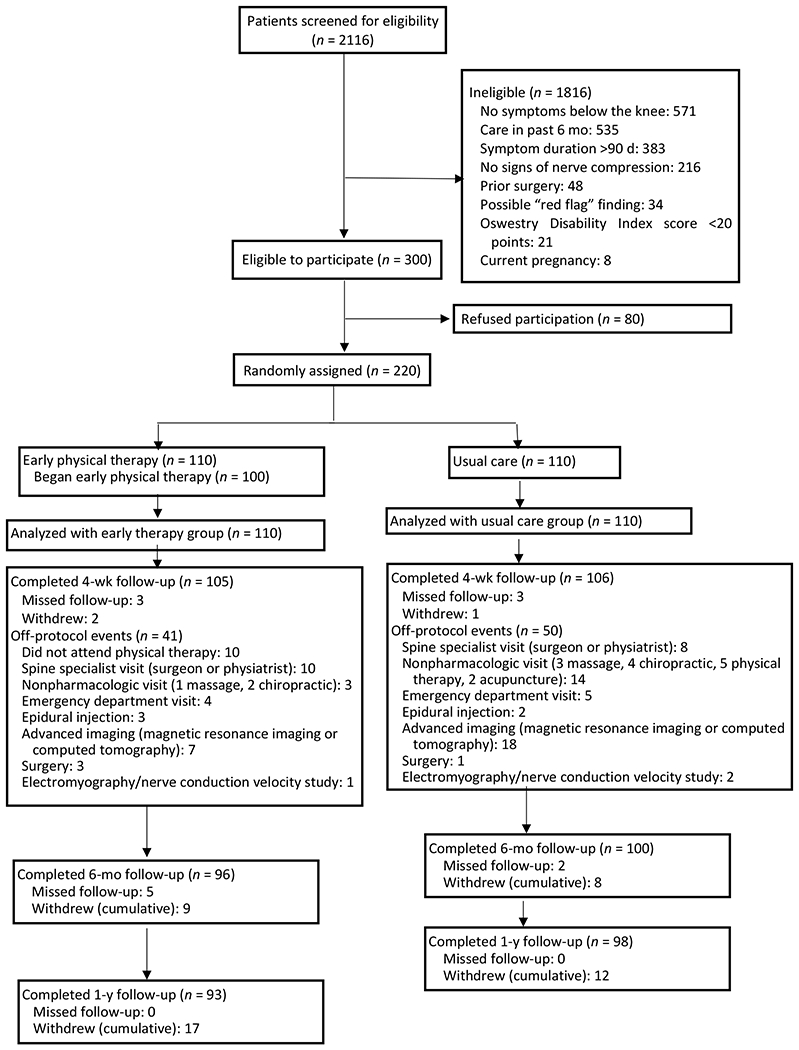
Patients: 220 adults aged 18 to 60 years with sciatica of less than 90 days' duration who were making an initial primary care consultation.
Intervention: All participants received imaging and medication at the discretion of the primary care provider before enrollment. A total of 110 participants randomly assigned to UC were provided 1 session of education, and 110 participants randomly assigned to early physical therapy (EPT) were provided 1 education session and then referred for 4 weeks of physical therapy, including exercise and manual therapy.
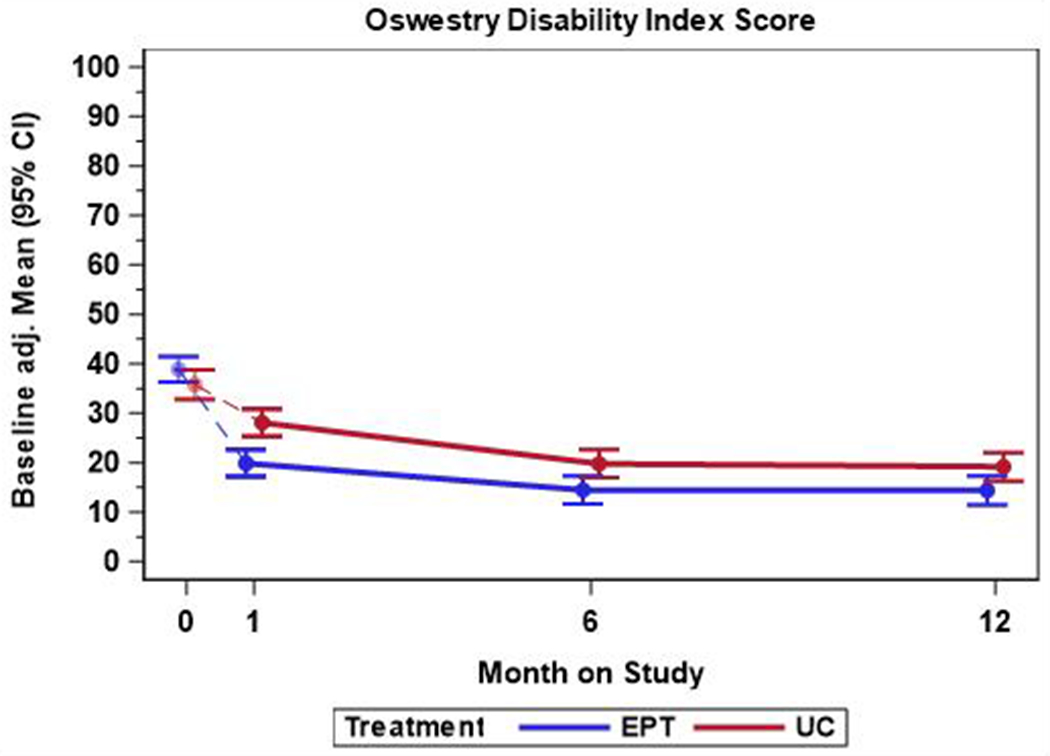
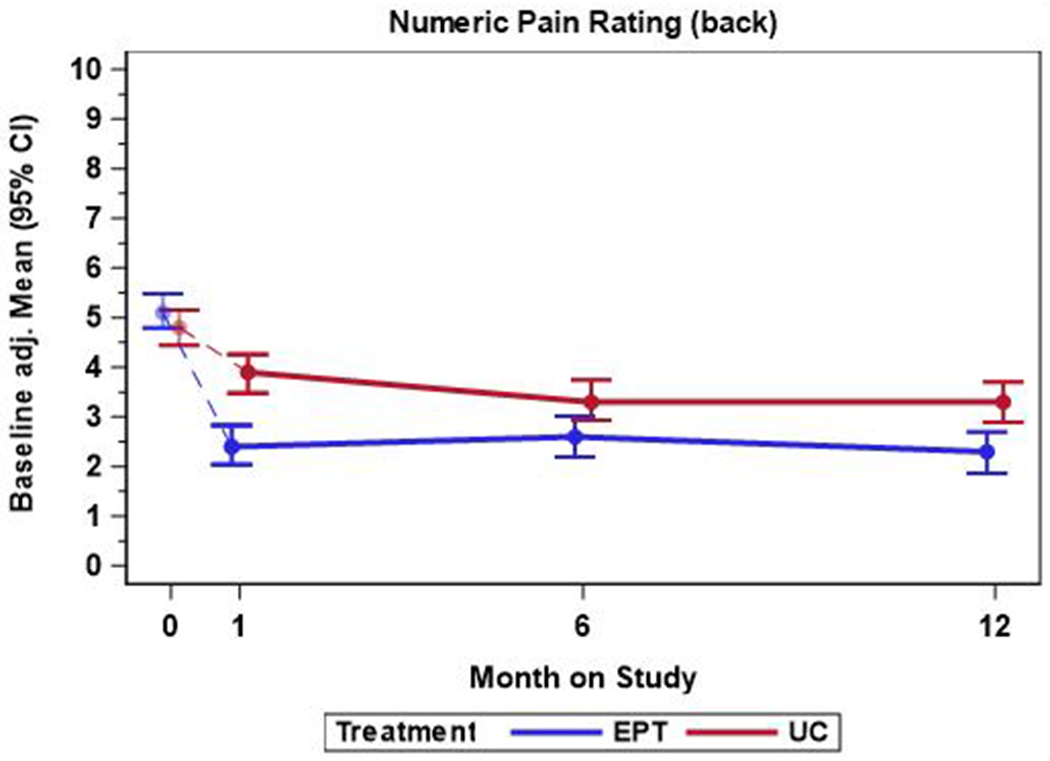
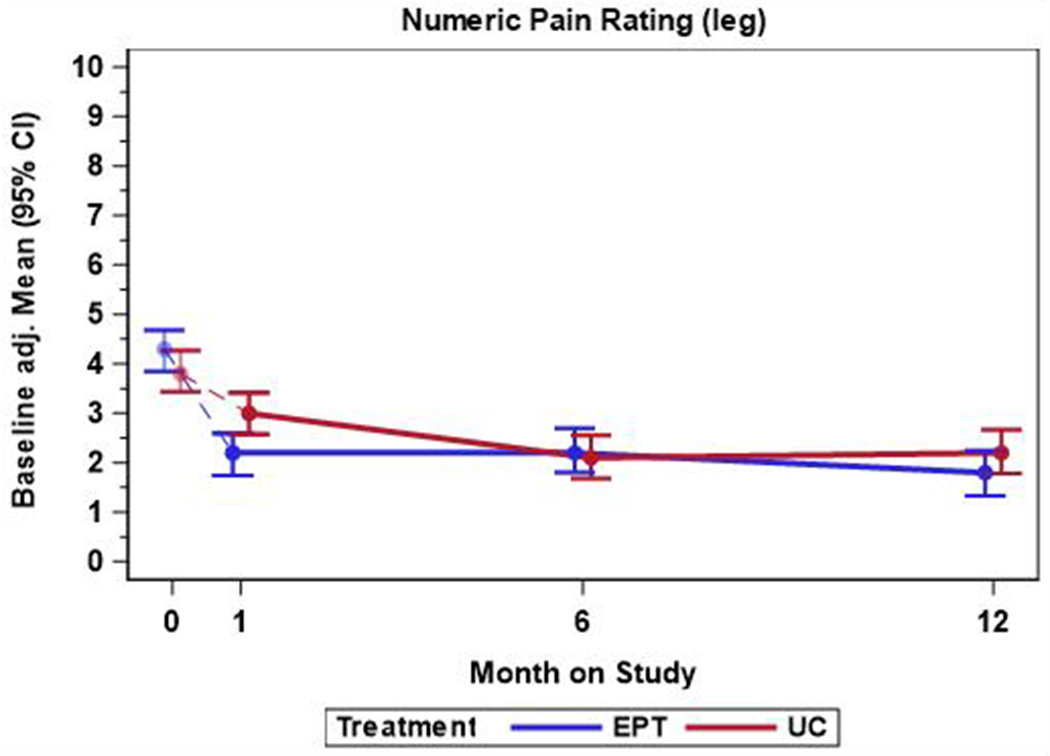
Measurements: The primary outcome was the Oswestry Disability Index (OSW) score after 6 months. Secondary outcomes were pain intensity, patient-reported treatment success, health care use, and missed workdays.
Results: Participants in the EPT group had greater improvement from baseline to 6 months for the primary outcome (relative difference, -5.4 points [95% CI, -9.4 to -1.3 points]; P = 0.009). The OSW and several secondary outcomes favored EPT after 4 weeks. After 1 year, between-group differences favored EPT for the OSW (relative difference, -4.8 points [CI, -8.9 to -0.7 points]) and back pain intensity (relative difference, -1.0 points [CI, -1.6 to -0.4 points]). The EPT group was more likely to self-report treatment success after 1 year (45.2%) than the UC group (27.6%) (relative risk, 1.6 [CI, 1.1 to 2.4]). There were no significant differences in health care use or missed workdays.
Limitation: The patients and providers were unblinded, and specific physical therapy interventions responsible for effects could not be determined.
Conclusion: Referral from primary care to physical therapy for recent-onset sciatica improved disability and other outcomes compared with UC.
Primary funding source: Agency for Healthcare Research and Quality.
Figures
Comment in
-
Early Referral to Physical Therapy: A Reasonable Choice for Primary Care Patients With Sciatica.Ann Intern Med. 2021 Jan;174(1):107-108. doi: 10.7326/M20-6545. Epub 2020 Oct 6. Ann Intern Med. 2021. PMID: 33017567 No abstract available.
References
-
- Porchet F, Wietlisbach V, Burnand B, et al. Relationship between severity of lumbar disc disease and disability scores in sciatica patients. Neurosurgery. 2002;50:1253–9; discussion 1259-60. - PubMed
-
- Stafford MA, Peng P, Hill DA. Sciatica: a review of history, epidemiology, pathogenesis, and the role of epidural steroid injection in management. Br J Anaesth. 2007;99:461–73. - PubMed
Publication types
MeSH terms
Associated data
Grants and funding
LinkOut - more resources
Full Text Sources
Other Literature Sources
Medical