


Brazilian vascular surgeons experience during the coronavirus (COVID-19) pandemic
- PMID: 33019914
- PMCID: PMC7539231
- DOI: 10.1177/1708538120954961
Brazilian vascular surgeons experience during the coronavirus (COVID-19) pandemic
Abstract
Background: The COVID-19 pandemic has made a significant impact on all spheres of society. The objective of this study was to examine the impact of COVID-19 on the practices, finances, and social aspects of Brazilian vascular surgeons' lives.
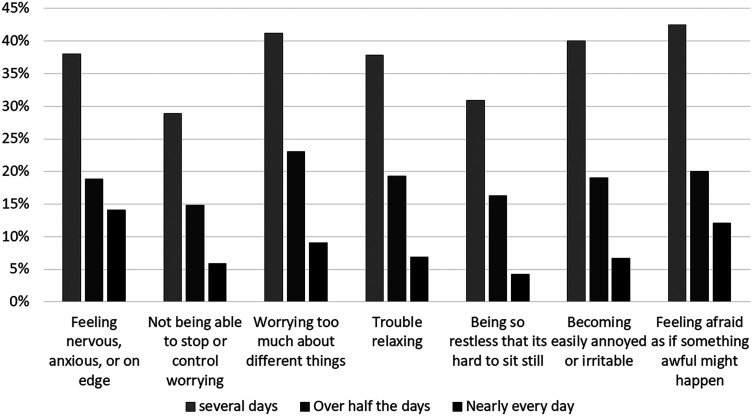
Methods: This is a descriptive analysis of the responses from Brazilian vascular surgeons to the cross-sectional anonymous Society for Vascular Surgery Wellness Task Force Pandemic Practice, Anxiety, Coping, and Support Survey for Vascular Surgeons disseminated 14-24 April 2020. Survey dissemination in Brazil occurred mainly via the Brazilian Society of Angiology and Vascular Surgery (SBACV) and social media. The survey evaluated the impact of the COVID-19 pandemic on vascular surgeons' lives by assessing COVID-19-related stressors, anxiety using theGeneral Anxiety Disorder (GAD)-7 scale, and coping strategies using the Brief Coping Orientation to Problems Experienced (Brief-COPE) inventory.
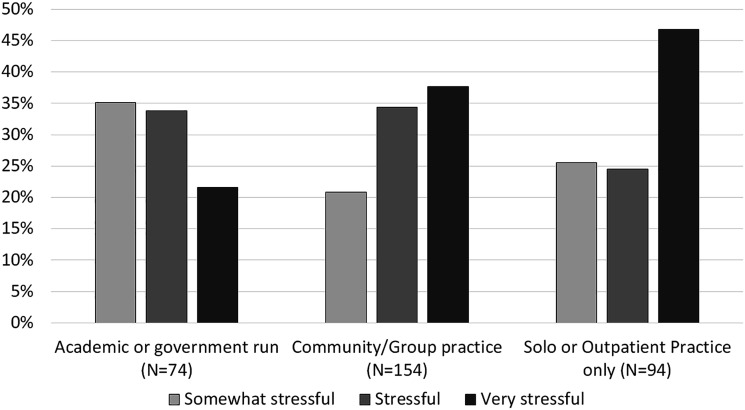
Results: A total of 452 responses were recorded from Brazil, with 335 (74%) respondents completing the entire survey. The majority of respondents were males (N = 301, 67%) and practiced in an urban hospitals. The majority of respondents considered themselves at high risk to be infected with COVID-19 (N = 251, 55.8%), and just over half the respondents noted that they had adequate PPE at their primary hospital (N = 171, 54%). One hundred and nine (35%) surgeons confirmed that their hospitals followed professional surgical society guidelines for prioritizing surgeries during the pandemic. At the time of the survey, only 33 (10%) surgeons stated they have pre-operative testing of patients for COVID-19 available at their hospital. Academic vascular surgeons reported being redeployed more often to help with other non-vascular duties compared to community-based or solo practitioners (43% vs. 30% vs. 21% respectively, P = .01). Severe anxiety due to pandemic-related financial concerns was similar in those surgeons practicing solo compared to those in community- or academic-based/group practice (46% vs. 38% vs. 22%; P = .54). The respondents reported their anxiety levels as mild based on the stressors investigated instead of moderate-severe (54% vs. 46%; P = .04). Social media was utilized heavily during the pandemic, with video gatherings being the most commonly used tool (76%). Self-distraction (60%) and situational acceptance (81%) were the most frequently reported coping mechanisms used among Brazilian vascular surgeons.
Conclusion: The COVID pandemic has greatly affected healthcare providers around the world. At the time of this survey, Brazilian vascular surgeons are reporting low anxiety levels during this time and are using mostly active coping mechanisms.
Keywords: COVID-19; GAD-7; brief COPE; vascular surgery practice.
Conflict of interest statement
Figures



References
-
- Alberti C, Orriols R, Manzanera R, et al. Flu and other acute respiratory infections in the working population. The impact of influenza A (H1N1) epidemic. Arch Bronconeumol 2010; 46: 634–639. - PubMed
MeSH terms
LinkOut - more resources
Full Text Sources
Medical
Miscellaneous
