


Analysis of the global situation of COVID-19 research based on bibliometrics
- PMID: 33020719
- PMCID: PMC7526071
- DOI: 10.1007/s13755-020-00120-w
Analysis of the global situation of COVID-19 research based on bibliometrics
Abstract
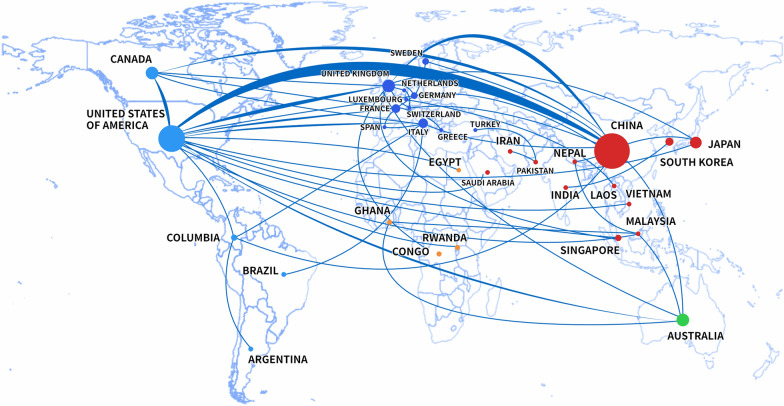
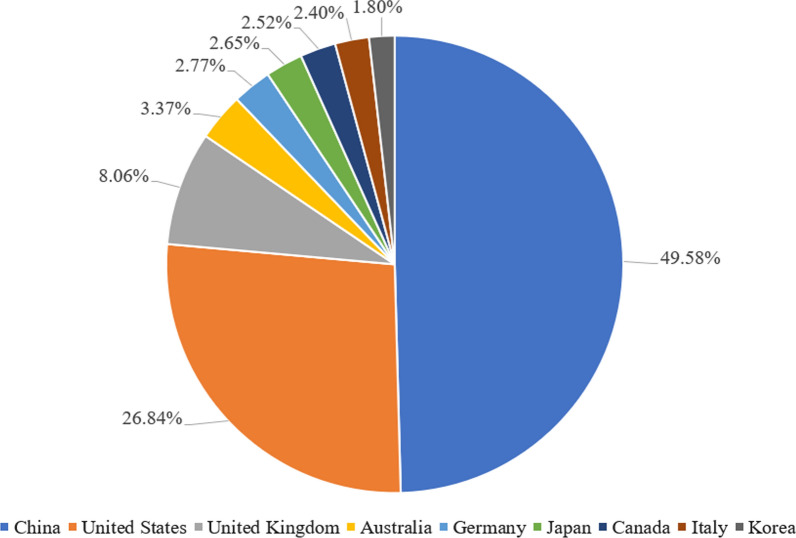
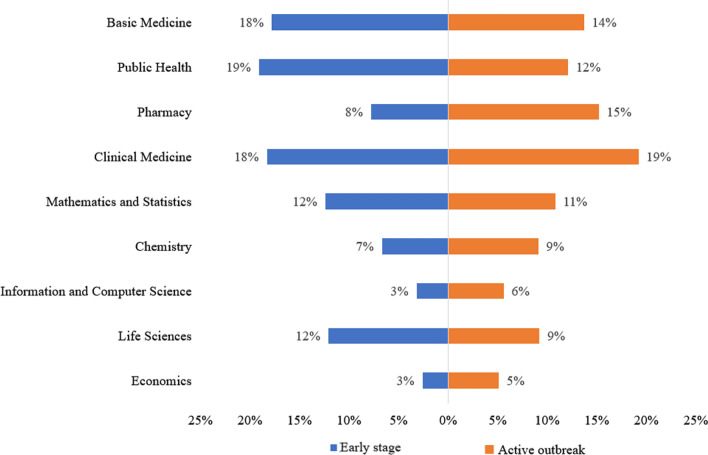
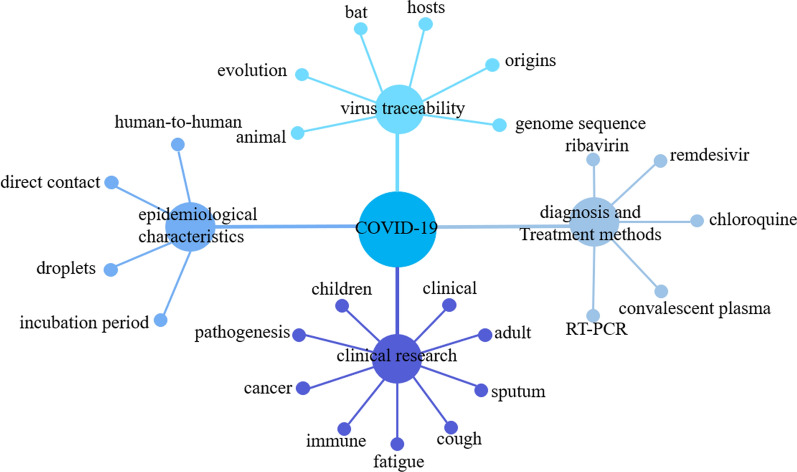
With the rapid global spread of the COVID-19 pandemic, researchers have contributed several important advances. The WHO and countries with severe outbreaks have developed diagnosis and treatment guidelines. Here, we analyze the current transformation and application of scientific research to global epidemic prevention and control. We described and analyzed current COVID-19 research from the perspectives of international cooperation, interdisciplinary cooperation, and research hotspots using a bibliometric clustering algorithm. Using the diagnosis and treatment guidelines of the WHO and the United States and China as examples, we evaluate the transformation of scientific results from basic research to applications. Scientific research results that have not yet been incorporated into these guidelines are summarized to encourage updates and improvements by applying scientific research to prevention and control. COVID-19 has fostered interdisciplinary cooperative research, and the current results are mainly focused on the origin, epidemiological characteristics, clinical research, and diagnosis and treatment methods for the virus. Due to the ongoing publication of new research, diagnosis and treatment guidelines are constantly improving. However, some research gaps still exist, and some results have not yet been incorporated into the guidelines. The current research is still in the preliminary exploratory stage, and some problems, such as weak international cooperation, unbalanced interdisciplinary cooperation, and the lack of coordination between research and applications, exist. Therefore, countries around the world must improve the International Public Health Emergency Management System and prepare for major public health emergencies in the future.
Keywords: Bibliometrics; COVID-19; Diagnosis and treatment guidelines; Global epidemic.
© Springer Nature Switzerland AG 2020.
Conflict of interest statement
Conflict of interestWe declare no competing interests.
Figures

References
-
- Deutsch L, Houri I, Ben-Ari Z, Shlomai A, Veitsman E, Cohen-Ezra O, Issachar A, Mor O, Gozlan Y, Bruck R. Ombitasvir/paritaprevir/ritonavir & dasabuvir ribavirin following protease inhibitors failure-a prospective multi-centre trial. BMC Infect. Dis. 2020;20:264. doi: 10.1186/s12879-020-4921-3. - DOI - PMC - PubMed
LinkOut - more resources
Full Text Sources
