


Caryocar brasiliense Cambess. Pulp Oil Supplementation Reduces Total Cholesterol, LDL-c, and Non-HDL-c in Animals
- PMID: 33022905
- PMCID: PMC7582708
- DOI: 10.3390/molecules25194530
Caryocar brasiliense Cambess. Pulp Oil Supplementation Reduces Total Cholesterol, LDL-c, and Non-HDL-c in Animals
Abstract
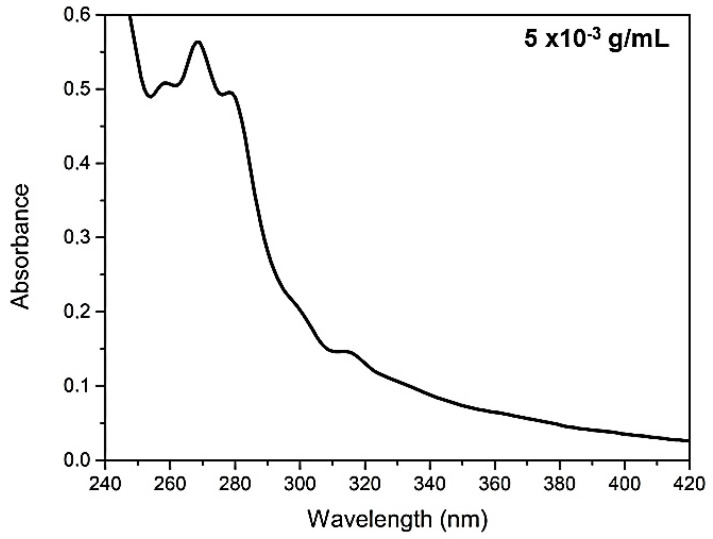
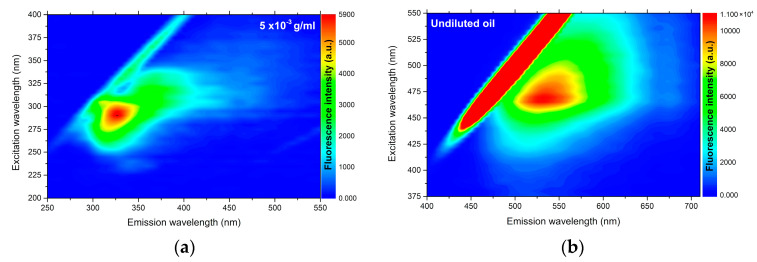
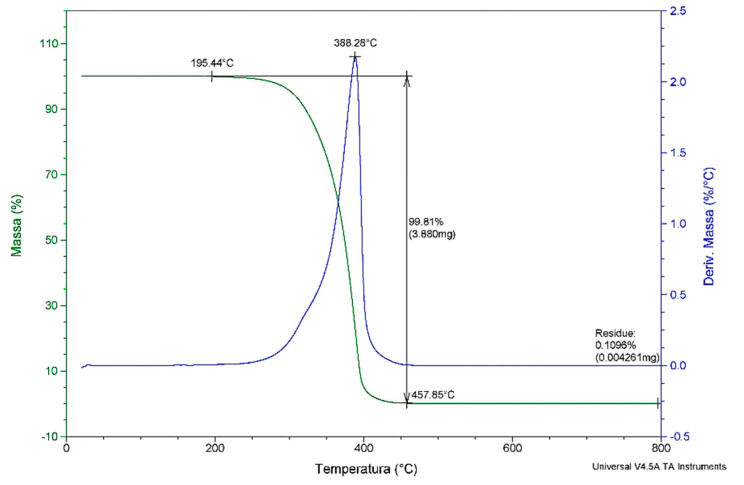
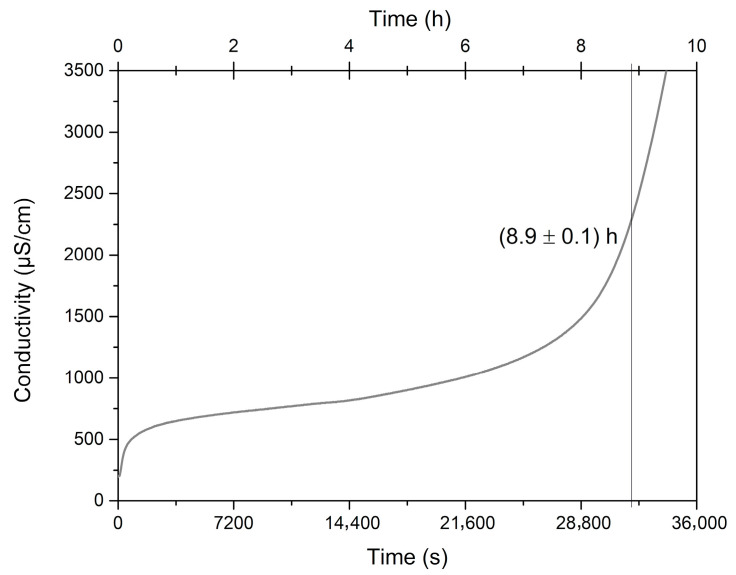
The fruit of Caryocar brasiliense Cambess. is a source of oil with active compounds that are protective to the organism. In our work, we analyzed the physicochemical characteristics and evaluated the effects of supplementation with C. brasiliense oil in an animal model. We characterized the oil by indices of quality and identity, optical techniques of absorption spectroscopy in the UV-Vis region and fluorescence, and thermogravimetry/derived thermogravimetry (TG/DTG). For the animal experiment, we utilized mice (Mus musculus) supplemented with lipidic source in different dosages. The results demonstrated that C. brasiliense oil is an alternative source for human consumption and presents excellent oxidative stability. Primarily, it exhibited oleic MFA (53.56%) and palmitic SFA (37.78%). The oil level of tocopherols and tocotrienols was superior to the carotenoids. The supplementation with C. brasiliense oil reduced the levels of total cholesterol, LDL-c, and non-HDL-c. Regarding visceral fats and adiposity index, the treatment synergically supplemented with olive oil and C. brasiliense oil (OO + CO) obtained the best result. Therefore, C. brasiliense oil is a high quality product for consumption. Its supplementation promotes beneficial effects mainly on the lipidic profile.
Keywords: fatty acids; natural products; pequi.
Conflict of interest statement
The authors declare no conflict of interest.
Figures

References
-
- Redondo-Cuevas L., Castellano G., Torrens F., Raikos V. Revealing the relationship between vegetable oil composition and oxidative stability: A multifactorial approach. J. Food Compos. Anal. 2018;66:221–229. doi: 10.1016/j.jfca.2017.12.027. - DOI
-
- Castelo-Branco V.N., Santana I., Di-Sarli V.O., Freitas S.P., Torres A.G. Antioxidant capacity is a surrogate measure of the quality and stability of vegetable oils. Eur. J. Lipid Sci. Technol. 2016;118:224–235. doi: 10.1002/ejlt.201400299. - DOI
-
- Codex Alimentarius Standard For Named Vegetable Oils Codex Stan 210-1999 Adopted. J. Chem. Inf. Model. 1990:1–13.
MeSH terms
Substances
Grants and funding
LinkOut - more resources
Full Text Sources
Medical
Miscellaneous
