


Epidemiological analysis of 67 local COVID-19 clusters in Sichuan Province, China
- PMID: 33032575
- PMCID: PMC7543676
- DOI: 10.1186/s12889-020-09606-4
Epidemiological analysis of 67 local COVID-19 clusters in Sichuan Province, China
Abstract
Background: This study was intended to investigate the epidemiological characteristics of COVID-19 clusters and the severity distribution of clinical symptoms of involved cases in Sichuan Province, so as to provide information support for the development and adjustment of strategies for the prevention and control of local clusters.
Methods: The epidemiological characteristics of 67 local clusters of COVID-19 cases in Sichuan Province reported as of March 17, 2020 were described and analyzed. Information about all COVID-19 clusters and involved cases was acquired from the China Information System for Disease Control and Prevention and analyzed with the epidemiological investigation results taken into account.
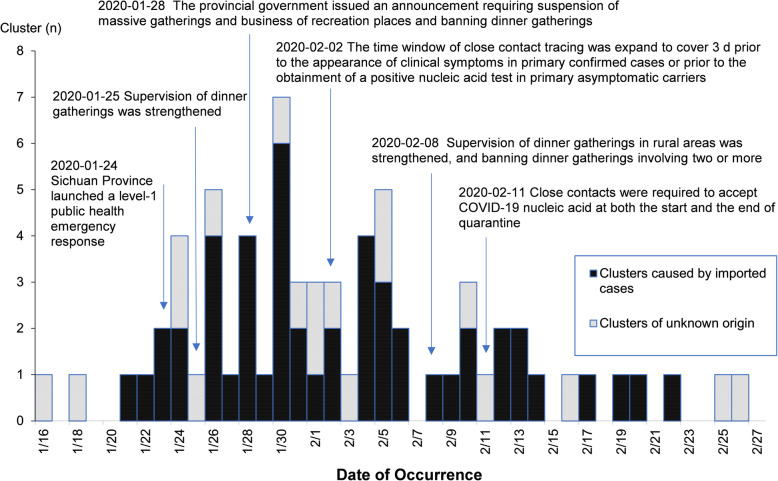
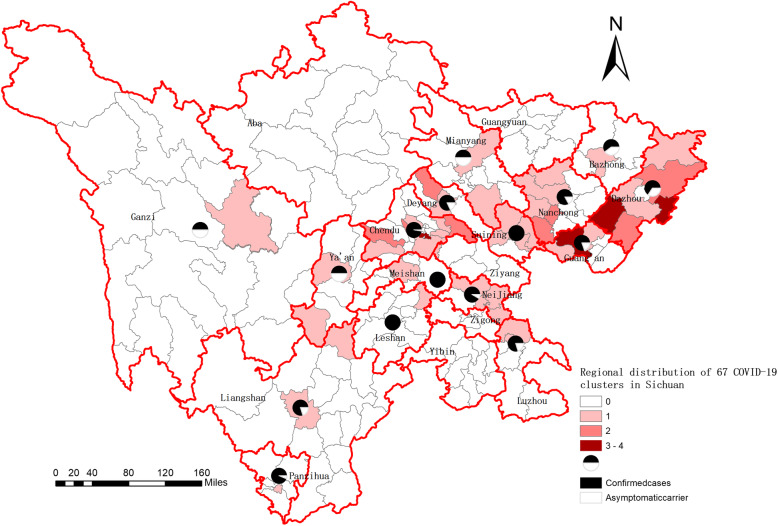
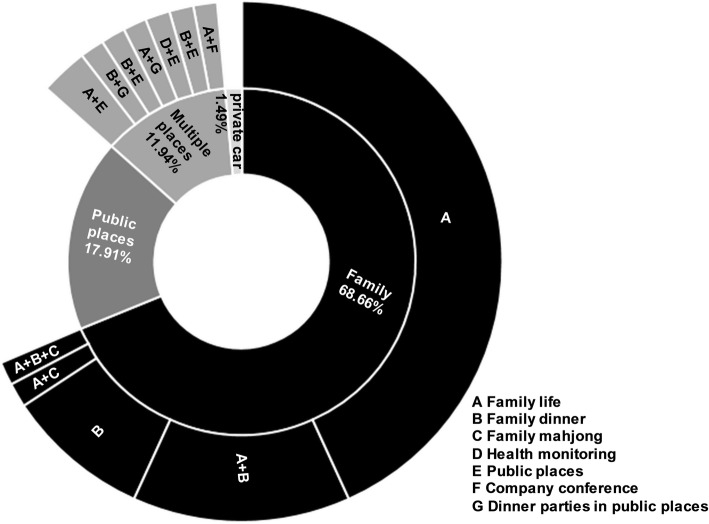
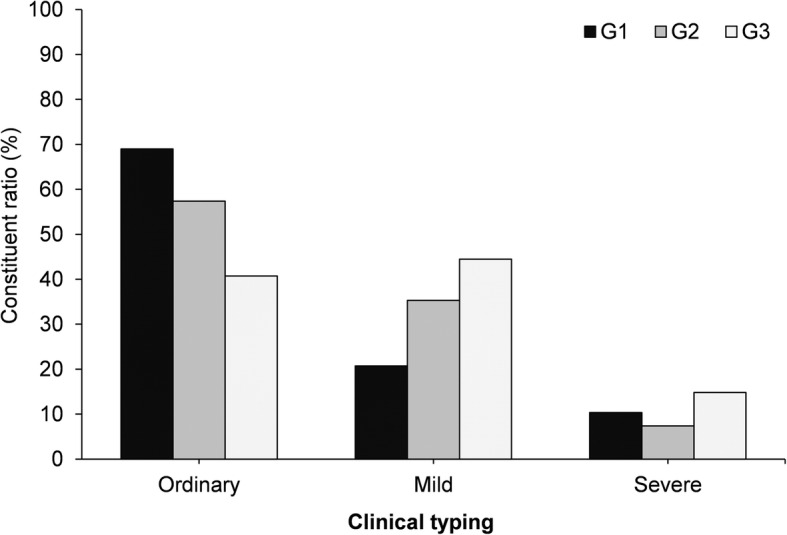
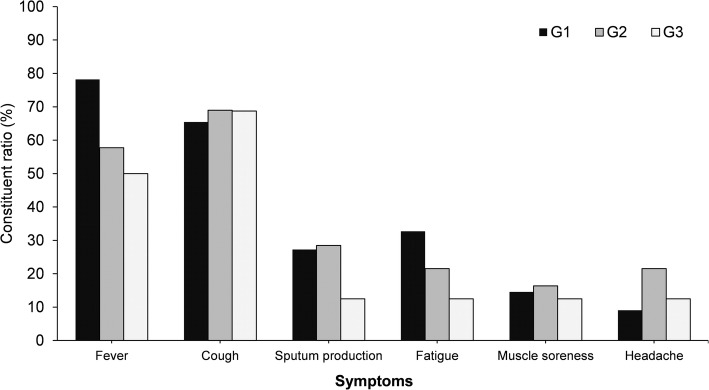
Results: The clusters were temporally and regionally concentrated. Clusters caused by imported cases from other provinces accounted for 73.13%; familial clusters accounted for 68.66%; the average attack rate was 8.54%, and the average secondary attack rate was 6.11%; the median incubation period was 8.5 d; a total of 28 cases met the criteria for incubation period determination, and in the 28 cases, the incubation period was > 14 d in 21.43% (6/28). a total of 226 confirmed cases were reported in the 67 clusters. Ten cases were exposed before the confirmed cases they contacted with developed clinical symptoms, and the possibility of exposure to other infection sources was ruled out; two clusters were caused by asymptomatic carriers; confirmed cases mainly presented with fever, respiratory and systemic symptoms; a gradual decline in the severity of clinical symptoms was noted with the increase of the case generation.
Conclusions: Population movement and gathering restrictions and strict close contact management measures will significantly contribute to the identification and control of cases. Transmission during the incubation period and asymptomatic infections have been noted. Studies on the pathogenicity and transmissibility in these populations and on COVID-19 antibody levels and protective effects in healthy people and cases are required.
Keywords: COVID-19; Cluster; Epidemiology.
Conflict of interest statement
The authors declare that they have no competing interests.
Figures
References
-
- WHO . WHO Director-General's opening remarks at the media briefing on COVID-19. 2020.
-
- National Health Commission (NHC) of the PRC, National Administration of Traditional Chinese Medicine of the PRC . Guidance for Corona Virus Disease 2019: Prevention, control, Diagnosis and Management People’s Medical Publishing House. 2020.
-
- Special Expert Group for Control of the Epidemic of Novel Coronavirus Pneumonia of the Chinese Preventive Medicine Association. An update on the epidemiological characteristics of novel coronavirus pneumonia (COVID-19) [in Chinese]. Chin J Epidemiol. 2020;41(2):139–144. https://doi.org/10.3760/cma.j.issn.0254-6450.2020.02.002. - PubMed
-
- Yang HY, Duan GC. Analysis on the epidemic factors for the Corona virus disease [in Chinese]. Chin J Prev Med 2020;54. https://doi.org/10.3760/cma.j.cn112150-20200227-00196.
-
- How Internet of things big data aid in epidemic surveillance: Where did Wuhan people go the day before the city “lockdown”? https://www.gongkongke.com/posts/caNo4iyJUzNz/. Accessed 17 Mar 2020.
MeSH terms
Grants and funding
LinkOut - more resources
Full Text Sources
Miscellaneous
