. 2020 Oct 10;11(10):843.
doi: 10.1038/s41419-020-03075-8.

USP7 mediates pathological hepatic de novo lipogenesis through promoting stabilization and transcription of ZNF638

Affiliations

USP7 mediates pathological hepatic de novo lipogenesis through promoting stabilization and transcription of ZNF638

Wenkai Ni et al. Cell Death Dis. .

Abstract

Aberrant de novo lipogenesis (DNL) results in excessive hepatic lipid accumulation and liver steatosis, the causative factors of many liver diseases, such as non-alcoholic fatty liver disease (NAFLD), non-alcoholic steatohepatitis (NASH), and hepatocellular carcinoma (HCC). However, the underlying mechanism of DNL dysregulation remains largely unknown. Ubiquitination of proteins in hepatocytes has been shown to be widely involved in lipid metabolism of liver. Here, we revealed that Ubiquitin-specific peptidase 7 (USP7), a deubiquitinase (DUB), played key roles in DNL through regulation of zinc finger protein 638 (ZNF638) in hepatocytes. USP7 has been shown not only to interact with and deubiquitylate ZNF638, but also to facilitate the transcription of ZNF638 via the stabilization of cAMP responsive element binding protein (CREB). USP7/ZNF638 axis selectively increased the cleavage of sterol regulatory element binding protein (SREBP1C) through AKT/mTORC1/S6K signaling, and formed USP7/ZNF638/SREBP1C nuclear complex to regulate lipogenesis-associated enzymes, including acetyl-CoA carboxylase (ACACA), fatty acid synthase (FASN), and Stearoyl-CoA desaturase (SCD). In the mice liver steatosis model induced by fructose, USP7 or ZNF638 abrogation significantly ameliorated disease progression. Furthermore, USP7/ZNF638 axis participated in the progression of lipogenesis-associated HCC. Our results have uncovered a novel mechanism of hepatic DNL, which might be beneficial to the development of new therapeutic targets for hepatic lipogenesis-associated diseases.


Conflict of interest statement

The authors declare that they have no conflict of interest.

Figures
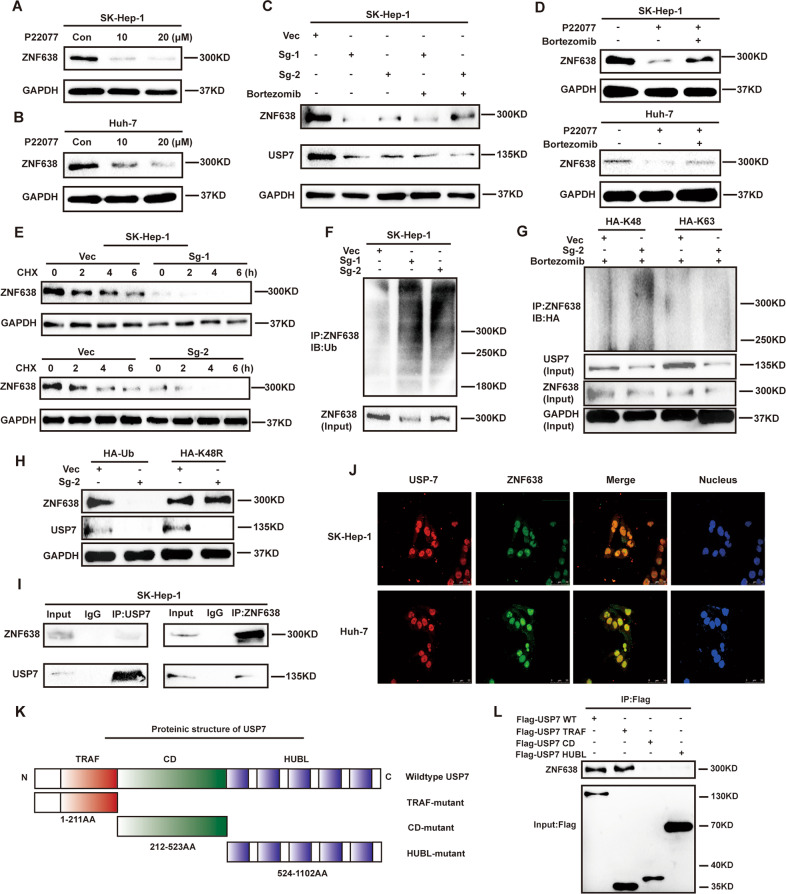
Fig. 1
Fig. 1. USP7 stabilizes ZNF638 protein partially through its deubiquitinating activity.
A, B ZNF638 protein level was down-regulated with the treatment of P22077 in SK-Hep1 and Huh-7 cells. C The knockdown efficiency of USP7 by two specific SgRNA (Sg1, Sg2) and their effects on ZNF638 expression were determined by immunoblotting in SK-Hep1 cells; proteasome inhibitor Bortezomib (100 nM 8 h) partially rescued declined expression of ZNF638 in USP7-deficient cells. D P22077 (20 μM 24 h) induced ZNF638 protein inhibition was partially rescued by Bortezomib (100 nM 8 h) in SK-Hep1 and Huh-7 cells. E The half-life of ZNF638 protein in normal and USP7-deficient SK-Hep1 cells was determined by using CHX (100 μg/ml) at indicated time points. F Genetic inhibition of USP7 in SK-Hep1 cells increased ubiquitination level of ZNF638. G The enhanced polyubiquitination of ZNF638 in SK-Hep1 cells according to USP7 knockdown was mainly Lys48 but not Lys 63 linked polyubiquitination. H K48-resistant ubiquitin (Lys48 to Arg48) could reverse ZNF638 expression in USP7-deficient SK-Hep1 cells. I ZNF638 and USP7 were endogenously interacted with each other in SK-Hep1 cells as determined by Co-IP assay. J USP7 and ZNF638 were mainly co-localized in cell nucleus as determined by immunofluorescence in Huh-7 and SK-Hep1 cells. K Schematic illustration of the protein structure of USP7. L Three of flag tagged truncated mutant plasmids (Flag-TRAF, Flag-CD, and Flag-HUBL) and wild-type USP7 (Flag-USP7) were transfected into SK-Hep1 cells, followed by immunoprecipitation using flag antibody and immunoblotting with ZNF638 antibody. Each immunoblotting assay was performed at least three times from independent studies.
Fig. 2
Fig. 2. USP7 positively regulates the mRNA of ZNF638.
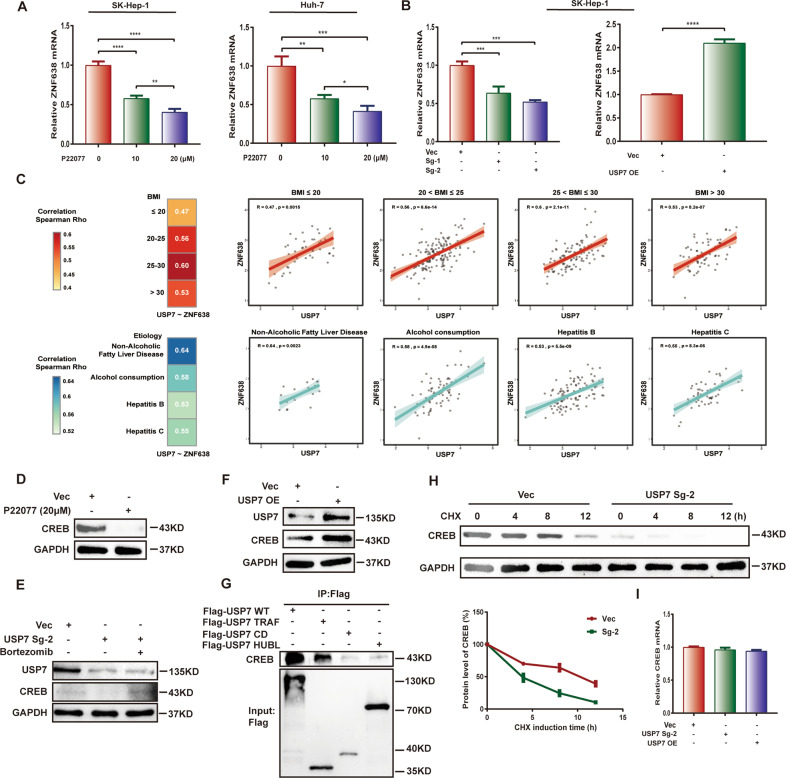
A P22077 treatment caused concentration-dependent reduction of ZNF638 mRNA in SK-Hep1 cells and Huh-7 cells. B USP7 knockdown or overexpression resulted in paralleled decrease or increase of ZNF638 mRNA in SK-Hep1 cells. C The mRNA of USP7 and ZNF638 were positively correlated in HCC patients based on the data from TCGA; the correlation Rho values differed among the different BMI and etiology groups. D CREB protein was suppressed via 20 μM of P22077 induction in SK-Hep1 cells. E CREB protein was reduced in USP7-deficient SK-Hep1 cells, while proteasome inhibitor Bortezomib (100 nM 8 h) rescued the effects. F Overexpression of USP7 in SK-Hep1 cells resulted in the enhanced protein level of CREB. G Flag tagged USP7 wild-type, TRAF domain, CD domain, HUBL domain were transfected in SK-Hep1 cells, followed by immunoprecipitation to determine the binding site of USP7 to CREB. H The half-life of CREB protein in normal and USP7-deficient SK-Hep1 cells was determined by using CHX (100 μg/ml) at indicated time intervals. I The mRNA levels of CREB in SK-Hep1 cells were unchanged neither by USP7 knockdown nor overexpression. The representative statistical results were performed using one-way ANOVA or unpaired t-test and shown as means ± SEM from three independent experiments. *p < 0.05, **p < 0.01, ***p < 0.001, ****p < 0.0001.
Fig. 3
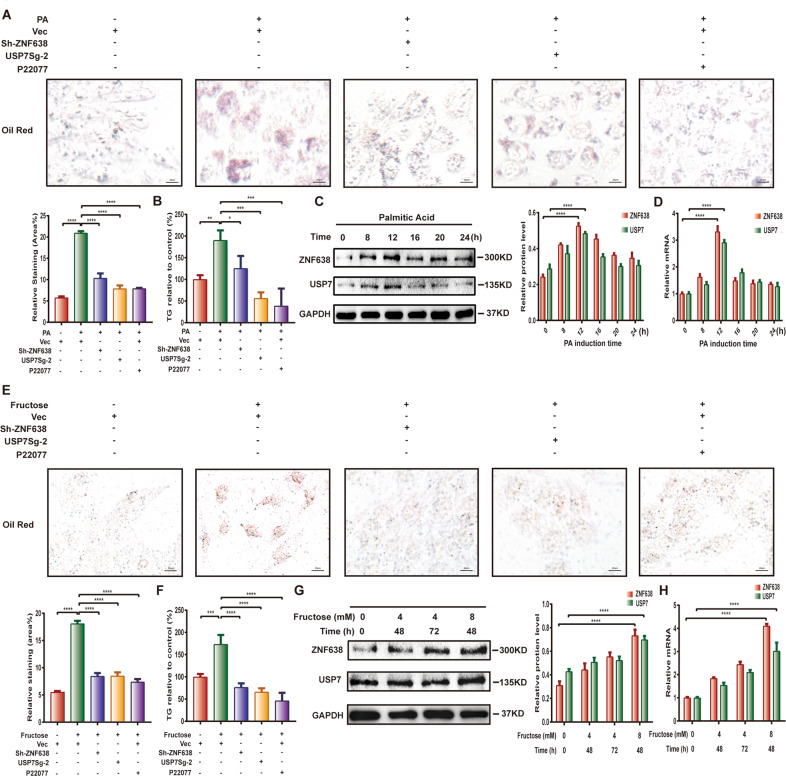
Fig. 3. USP7 and ZNF638 are associated with hepatic de novo lipogenesis in vitro.
A Grouped SK-Hep1 cells as normal, USP7 knockdown, ZNF638 knockdown, and P22077 induction (10 μM pretreated for 24 h) were treated with or without palmitic acid (0.5 mM) for 8 h and applied to oil-red o assay; quantitative analysis of the staining area was revealed by ImageJ software. B The relative TG content of SK-Hep1 cells in different groups were measured by TG kit. C The alterations of USP7 and ZNF638 protein levels after PA (0.5 mM) induction at different time intervals in SK-Hep1 cells were examined by immunoblotting; quantification of protein levels relative to GAPDH was performed using ImageJ. D The alterations of USP7 and ZNF638 mRNA levels upon PA induction at different time intervals were examined by RT-PCR. E Grouped SK-Hep1 cells were treated with or without fructose (8 mM) for 48 h and applied to oil-red o assay; quantitative analysis of the staining area was revealed by ImageJ software. F The relative TG content of cells in different groups was measured by TG kit. G The alterations of USP7 and ZNF638 protein levels within different fructose inducing were assessed by immunoblotting and quantified by ImageJ. H The alterations of USP7 and ZNF638 mRNA levels upon different fructose induction were detected by RT-PCR. Representative statistical results were performed using one or two-way ANOVA test and shown as means ± SEM from three independent experiments. *p < 0.05, **p < 0.01, ***p < 0.001, ****p < 0.0001.
Fig. 4
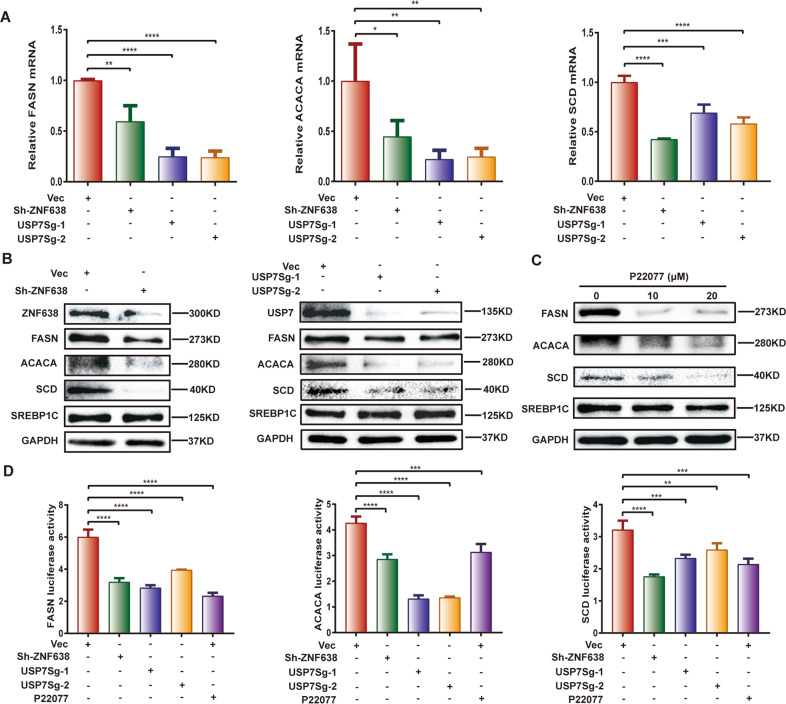
Fig. 4. USP7 and ZNF638 transcriptionally regulate DNL effectors.
A The relative mRNA levels of ACACA, FASN, SCD in normal, USP7-deficient, ZNF638-deficient SK-Hep1 cells were determined by real-time PCR. B The protein levels of ACACA, FASN, SCD and SREBP1C in normal, USP7-deficient, ZNF638-deficient SK-Hep1 cells were assessed by immunoblotting. C Pharmacological inhibition of USP7 reduced protein levels of ACACA, FASN, and SCD in SK-Hep1 cells. D The promoter activity of ACACA, FASN, and SCD relating to ZNF638, USP7 knockdown or P22077 treatment was determined by luciferase reporter assay. The representative statistical results were performed using one-way ANOVA test and shown as means ± SEM from three independent experiments. *p < 0.05, **p < 0.01, ***p < 0.001, ****p < 0.0001.
Fig. 5
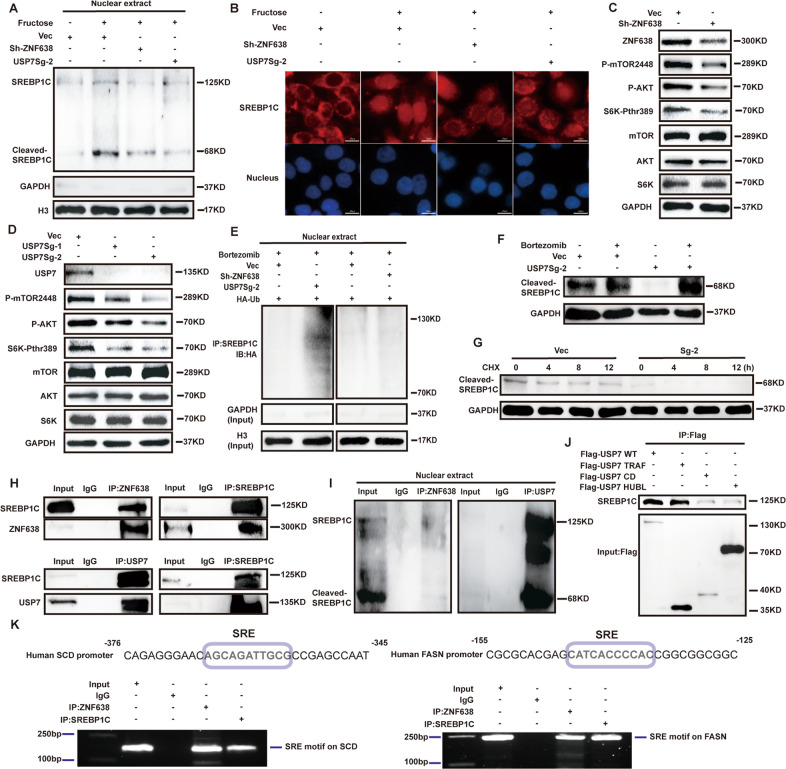
Fig. 5. USP7 and ZNF638 control the nuclear accumulation of cleaved-SREBP1C.
A The effects of USP7 or ZNF638 knockdown on fructose (20 mM 48 h) induced cleaved-SREBP1C were verified by immunoblotting, using nuclear extracts from SK-Hep1 cells. B The subcellular location changes of SREBP1C upon the fructose induction (20 mM 48 h) with or without USP7, ZNF638 knockdown were explored by immunofluorescence in SK-Hep1 cells. C Genetic ablation of ZNF638 in SK-Hep1 cells reduced phosphorylation levels of mTOR, AKT, and S6K. D Genetic ablation of USP7 in SK-Hep1 cells reduced phosphorylation levels of mTOR, AKT, and S6K. E USP7 but not ZNF638 knockdown could increase the ubiquitination of cleaved-SREBP1C in SK-Hep1 cells. F The decreased cleaved-SREBP1C resulting from USP7 knockdown could be rescued by bortezomib (100 nM 8 h) in SK-Hep1 cells. G The half-life of cleaved-SREBP1C in USP7-deficient SK-Hep1 cells was shortened. H The reciprocal interactions between ZNF638/USP7 and full-length SREBP1C were observed by Co-IP assays in SK-Hep1 cells. I The endogenous interactions between ZNF638/USP7 and cleaved-SREBP1C were determined by Co-IP assays using nuclear lysates of SK-Hep1 cells. J The binding sites of USP7 on SREBP1C were determined by transfecting truncated USP7 mutants (Flag-TRAF, Flag-CD, and Flag-HUBL) into SK-Hep1 cells, following immunoprecipitation with flag antibody and detection of SREBP1C. K The binding of ZNF638 on the promoters of SREBP1C target genes were examined via ChIP assay in SK-Hep1 cells, lanes of IgG and SREBP1C were set as negative and positive control.
Fig. 6
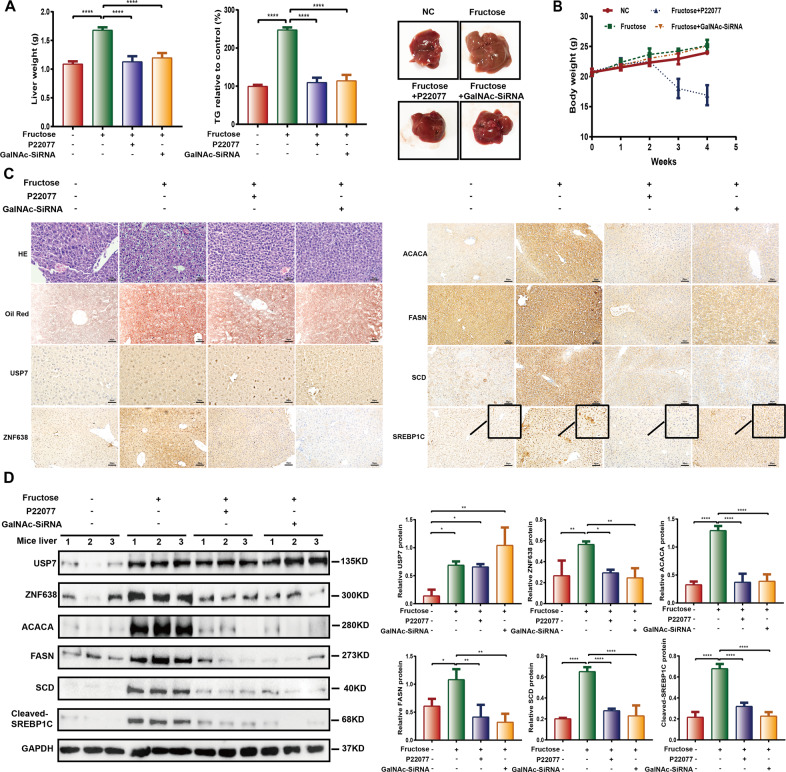
Fig. 6. USP7 and ZNF638 participate in fructose-induced hepatic steatosis in vivo.
A, B C57BL/6 mice were fed with standard chow diet or diet added with 30% fructose in drinking water. The fructose group mice were subclassified and disposed to intraperitoneal injection of P22077 (10 mg/kg BW) and GalNAc-ZNF638-SiRNA (2 μg/g BW) every week. The body weight of the mice was weighed every week, and after 4 weeks induction, the liver weight and the TG content of the liver were assessed. C The pathological alterations among different groups were detected by HE staining using paraffin sections; the liver lipids accumulation was determined by oil-red o assay; the expression of USP7, ZNF638, ACACA, FASN, SCD, and SREBP1C among different groups were observed by immunochemistry. D Alterations of USP7, ZNF638, ACACA, FASN, SCD, and cleaved-SREBP1C among different groups were determined by immunoblotting, followed by quantitative analysis. The representative statistical results were performed using one-way ANOVA test and shown as means ± SEM from three independent experiments. *p < 0.05, **p < 0.01, ***p < 0.001, ****p < 0.0001.
Fig. 7
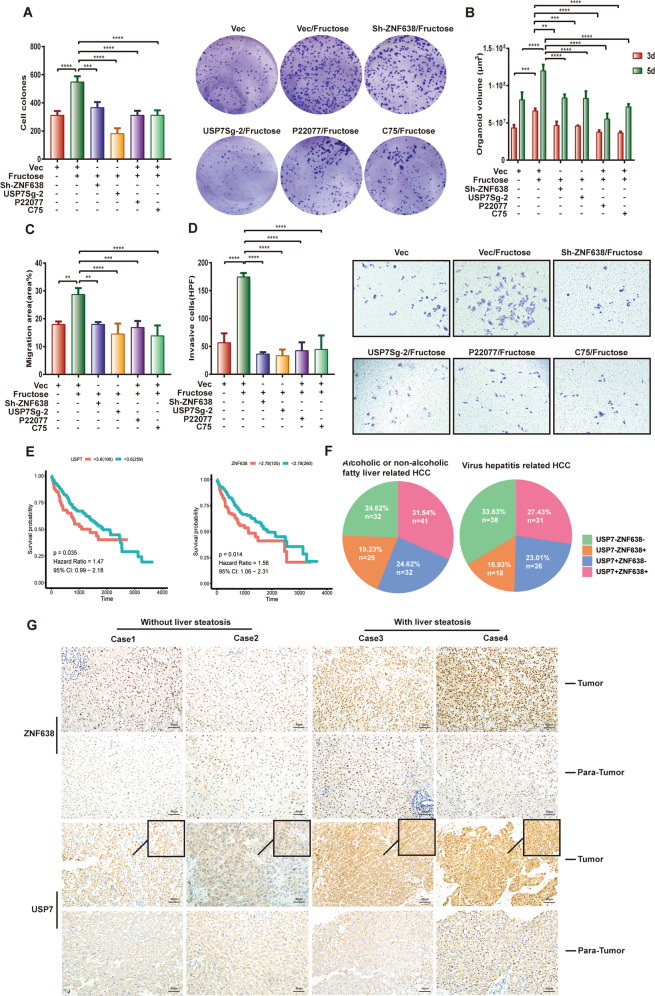
Fig. 7. USP7 and ZNF638 affect lipogenesis-associated hepatic carcinogenesis.
A SK-Hep1 cells with or without stable ZNF638 knockdown, stable USP7 knockdown, P22077 treatment (5 μM), and C75 treatment (1 μg/ml) were cultured with or without fructose (8 mM) for 14 days; after that, the cell clones were harvested and calculated by ImageJ. B Seventy percent of different SK-Hep1 cells (ZNF638 knockdown, USP7 knockdown, treatment of 5 μM P22077, treatment of 1 μg/ml C75) and 30% of LXR cells were mixed and glued with Collagen I (5 μg/ml); the culture medium with or without fructose (8 mM) was added with 20 ng/ml b-FGF, 20 ng/ml HGF to promote the growth of both cell lines. At the time points of 3 days and 5 days, organoids volumes of different groups were analyzed. C SK-Hep1 cells with or without stable ZNF638 knockdown, stable USP7 knockdown, P22077 treatment (10 μM), and C75 treatment (2.5 μg/ml) were pre-scratched and cultured with or without fructose (8 mM) for 24 h, the migration area (area% of per field of view) of different groups was evaluated by ImageJ. D SK-Hep1 cells with or without stable ZNF638 knockdown, stable USP7 knockdown, P22077 treatment (10 μM), and C75 treatment (2.5 μg/ml) were cultured with or without fructose (8 mM) for 48 h in transwell chambers; the invaded cells were calculated and analyzed by ImageJ. E The overall survival difference between high and low expression of USP7 or ZNF638 in HCC patients was analyzed using the transcriptome data from TCGA; the cutoff value was computed by survminer R package. F The discrepancy in the ratio of HCC patients with different USP7/ZNF638 expression from different etiologies was analyzed based on the data from TCGA. G USP7 and ZNF638 expression were evaluated in four paired HCC paraffin sections (2 of steatosis, 2 of non-steatosis) by immunochemistry. The representative statistical results were performed using one- or two-way ANOVA test and shown as means ± SEM from three independent experiments. *p < 0.05, **p < 0.01, ***p < 0.001, ****p < 0.0001.
Fig. 8
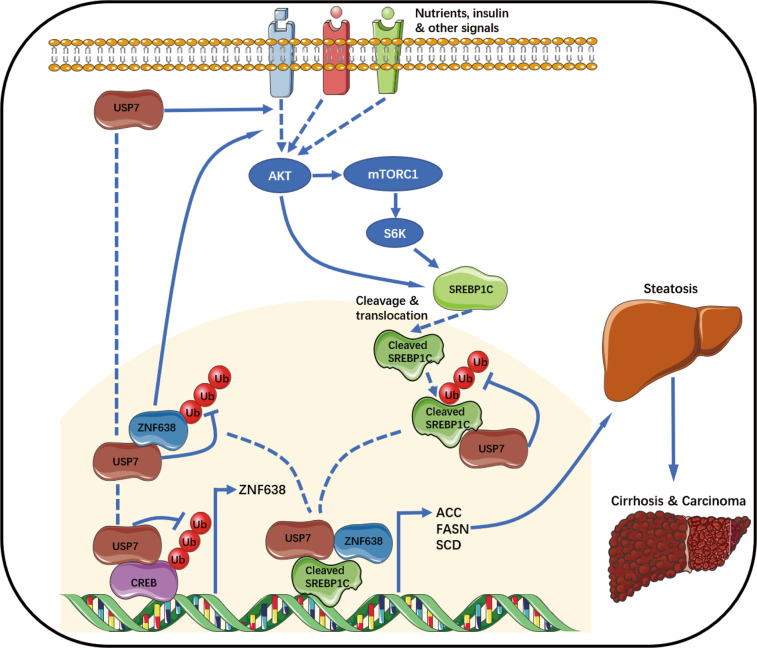
Fig. 8. A schematic model illustrating the role of USP7 and ZNF638 in hepatic DNL and diseases.
By transcriptional activation of ZNF638 through stabilizing CREB, and deubiquitination of ZNF638, USP7 activates AKT-mTORC1-S6K pathway, thereafter promoting the cleavage and nuclear translocation of SREBP1C; In another hand, USP7 stabilizes cleaved-SREBP1C and forms a USP7-ZNF638-cleaved-SREBP1C complex in cell nucleus. The multi-regulatory mechanisms guarantee the fully activation of SREBP1C as well as its target genes, leading to the enhancement of hepatic DNL and relevant diseases.

References

    1. Thiele C, Wunderling K, Leyendecker P. Multiplexed and single cell tracing of lipid metabolism. Nat. Methods. 2019;16:1123–1130. doi: 10.1038/s41592-019-0593-6. - DOI - PubMed
    1. Lambert JE, Ramos-Roman MA, Browning JD, Parks EJ. Increased de novo lipogenesis is a distinct characteristic of individuals with nonalcoholic fatty liver disease. Gastroenterology. 2014;146:726–735. doi: 10.1053/j.gastro.2013.11.049. - DOI - PMC - PubMed
    1. Donnelly KL, et al. Sources of fatty acids stored in liver and secreted via lipoproteins in patients with nonalcoholic fatty liver disease. J. Clin. Invest. 2005;115:1343–1351. doi: 10.1172/JCI23621. - DOI - PMC - PubMed
    1. Ray K. NAFLD-the next global epidemic. Nat. Rev. Gastroenterol. Hepatol. 2013;10:621. doi: 10.1038/nrgastro.2013.197. - DOI - PubMed
    1. Horton JD, Goldstein JL, Brown MS. SREBPs: activators of the complete program of cholesterol and fatty acid synthesis in the liver. J. Clin. Invest. 2002;109:1125–1131. doi: 10.1172/JCI0215593. - DOI - PMC - PubMed

Publication types

MeSH terms