Review
. 2020 Sep 15:11:1046.
doi: 10.3389/fneur.2020.01046. eCollection 2020.

Perilymphatic Fistula: A Review of Classification, Etiology, Diagnosis, and Treatment

Affiliations
Review

Perilymphatic Fistula: A Review of Classification, Etiology, Diagnosis, and Treatment

Brooke Sarna et al. Front Neurol. .

Abstract

A perilymphatic fistula (PLF) is an abnormal communication between the perilymph-filled inner ear and the middle ear cavity, mastoid, or intracranial cavity. A PLF most commonly forms when the integrity of the oval or round window is compromised, and it may be trauma-induced or may occur with no known cause (idiopathic). Controversy regarding the diagnosis of idiopathic PLF has persisted for decades, and the presenting symptoms may be vague. However, potential exists for this condition to be one of the few etiologies of dizziness, tinnitus, and hearing loss that can be treated surgically. The aim of this review is to provide an update on classification, diagnosis, and treatment of PLF. Particular attention will be paid to idiopathic PLF and conditions that may have a similar presentation, with subsequent information on how best to distinguish them. Novel diagnostic criteria for PLF and management strategy for PLF and PLF-like symptoms is presented.

Keywords: association; blood patch; dizziness; perilymph fistula; perilymphatic fistula; tinnitus; vertigo.


Figures

Figure 1
Figure 1
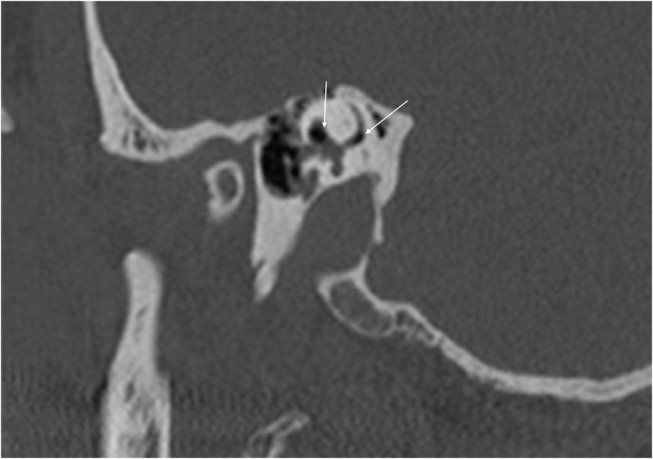
Sagittal CT of temporal bone demonstrating air in the vestibule and the crus communs (arrows) in a patient with perilymph fistula.
Figure 2
Figure 2
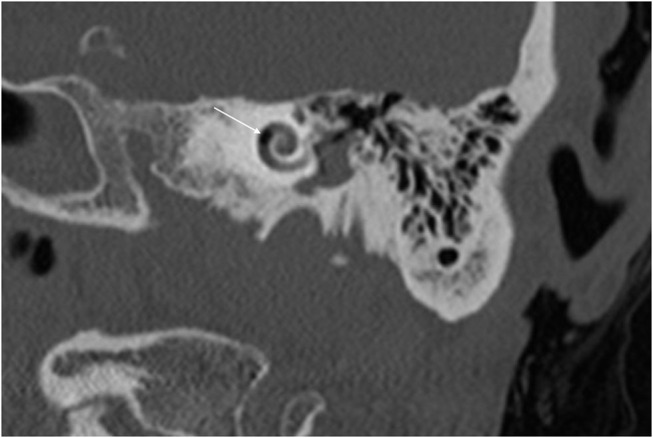
Coronal CT of temporal bone showing air in the second cochlear turn (arrow).
Figure 3
Figure 3
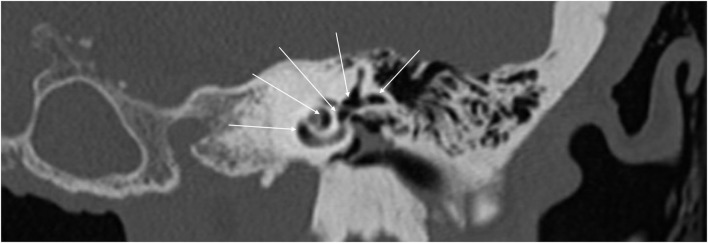
Coronal CT of temporal bone showing extensive air in the cochlea, superior canal, horizontal canal, and vestibule (arrows).
Figure 4
Figure 4
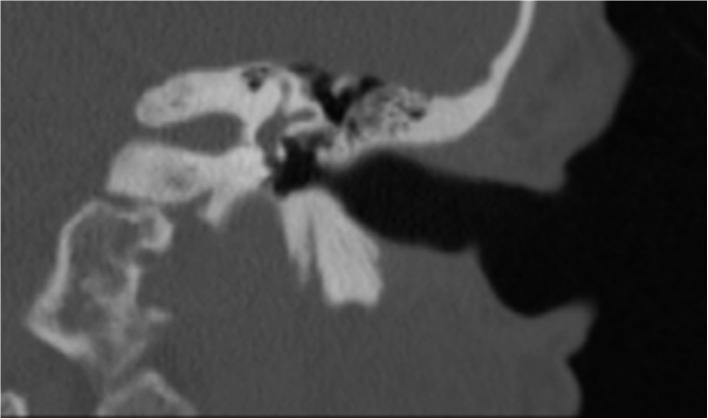
Coronal CT of temporal bone of the same patient in Figure 3 after perilymph fistula repair procedure. No air is seen in the inner ear.
Figure 5
Figure 5
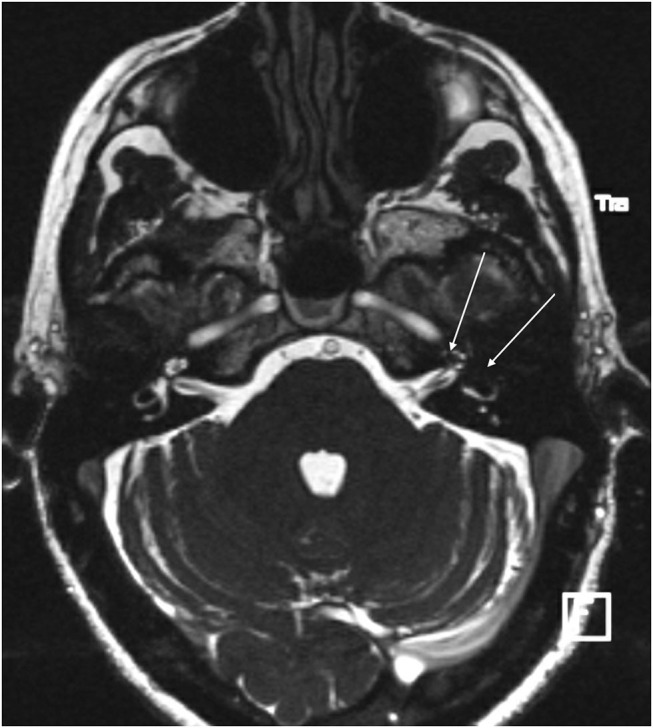
CISS sequence MRI of a patient with PLF showing significant air in the vestibule and the anterior crus of the horizontal canal as well as the second turn of the cochlea (arrows).
Figure 6
Figure 6
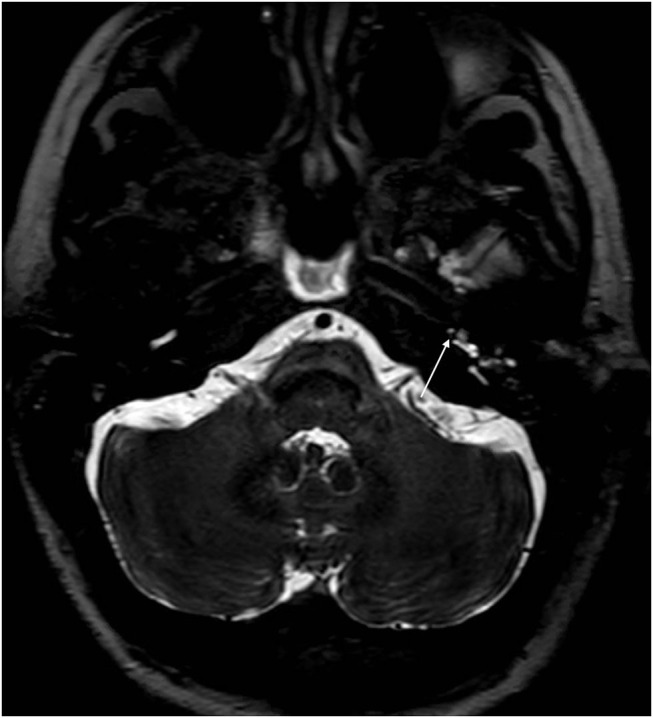
CISS sequence MRI of the same patient as Figure 5 1 day after blood patch procedure. There is a small amount of air in the distal basal turn of the cochlea (arrow).
Figure 7
Figure 7
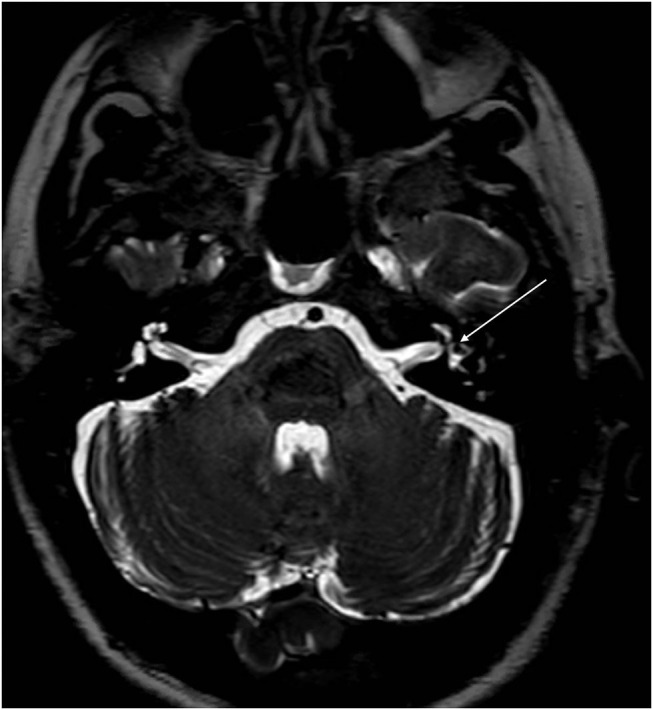
CISS sequence MRI of the same patient as Figure 6 at the level of the vestibule demonstrating improvement in the intravestibular air (arrows) compared to Figure 5.
Figure 8
Figure 8
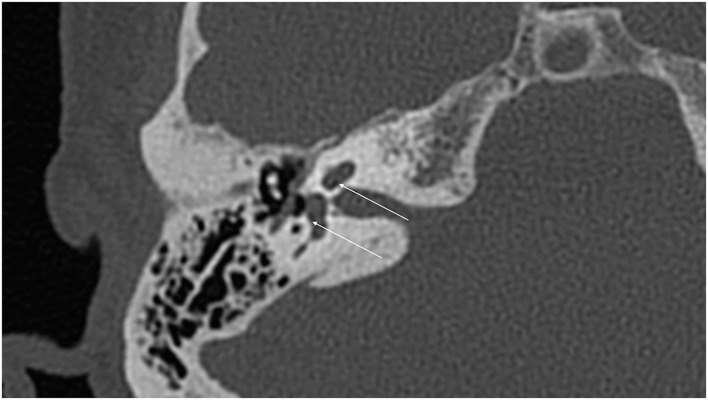
False positive hypodensities (arrows) seen in the cochlea on routine CT of temporal bone.
Figure 9
Figure 9
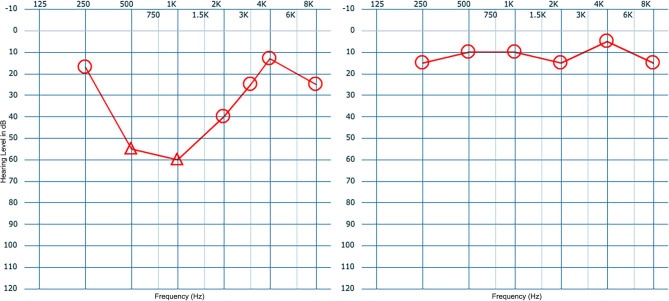
Audiograms of a patient presenting with sudden hearing loss after blowing her nose (left panel) showing improvement of hearing 1 week after a blood patch procedure (right panel).
Figure 10
Figure 10
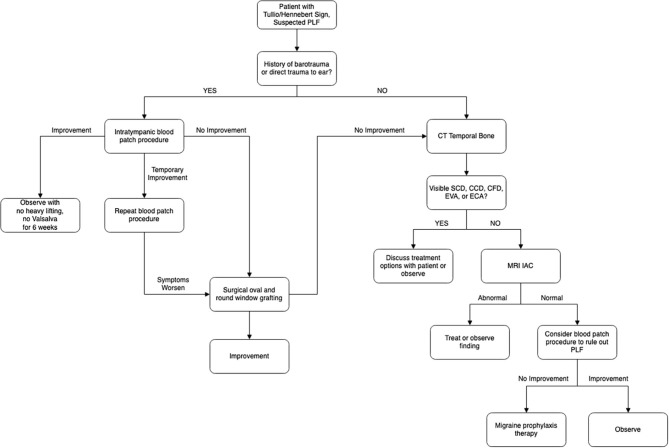
Algorithm for management of suspected perilymphatic fistula (PLF) based on the discussion provided in this review and the authors' experience. Patients with Tullio or Hennebert sign are entered into the algorithm. If the patients have barotrauma or direct trauma, they would be directed to the left side of the algorithm. If they do not have barotrauma or direct trauma, they would be then worked up/treated according to the right side of the algorithm. CT, computed tomography; MRI IAC, magnetic resonance imaging of internal auditory canal; SCD, semicircular canal dehiscence; CCD, carotid artery-cochlear dehiscence; CFD, carotid-facial nerve dehiscence; EVA, enlargement of vestibular aqueduct; ECA, enlargement of cochlear aqueduct.

References

    1. E. R. Fistel im ovalen Fenester. Monatsschr Ohrenh. (1909) 10:787.
    1. Hornibrook J. Perilymph fistula: fifty years of controversy. ISRN Otolaryngol. (2012) 2012:281248. 10.5402/2012/281248 - DOI - PMC - PubMed
    1. Fiedler T, Boeger D, Buentzel J, Esser D, Hoffmann K, Jecker P, et al. . Middle ear surgery in thuringia, Germany: a population-based regional study on epidemiology and outcome. Otol Neurotol. (2013) 34:890–7. 10.1097/MAO.0b013e318280dc55 - DOI - PubMed
    1. Reilly JS. Congenital perilymphatic fistula: a prospective study in infants and children. Laryngoscope. (1989) 99:393–7. 10.1288/00005537-198904000-00006 - DOI - PubMed
    1. Friedland DR, Wackym PA. A critical appraisal of spontaneous perilymphatic fistulas of the inner ear. Am J Otol. (1999) 20:261–76. - PubMed