Review
. 2020 Sep 15:7:546.
doi: 10.3389/fmed.2020.00546. eCollection 2020.

Therapeutic Options Against the New Coronavirus: Updated Clinical and Laboratory Evidences

Affiliations
Review

Therapeutic Options Against the New Coronavirus: Updated Clinical and Laboratory Evidences

Amélia Carolina Lopes Fernandes et al. Front Med (Lausanne). .

Abstract

The pandemic caused by the new coronavirus (SARS-Cov-2) has encouraged numerous in vitro studies and clinical trials around the world, with research groups testing existing drugs, novel drug candidates and vaccines that can prevent or treat infection caused by this virus. The urgency for an effective therapy is justified by the easy and fast viral transmission and the high number of patients with severe respiratory distress syndrome who have increasingly occupied intensive care hospital beds, leading to a collapse in health systems in several countries. However, to date, there is no sufficient evidence of the effectiveness of any researched therapy. The off-label or compassionate use of some drugs by health professionals is a reality in all continents, whose permission by regulatory agencies has been based on the results of some clinical trials. In order to guide decision-making for the treatment of COVID-19, this review aims to present studies and guidelines on the main therapies that have been and are currently being tested against SARS-CoV-2 and to critically analyze the reported evidences.

Keywords: COVID-19; SARS-CoV-2; coronavirus; drug treatment; prophylaxis; viral infection.


Figures

Figure 1
Figure 1
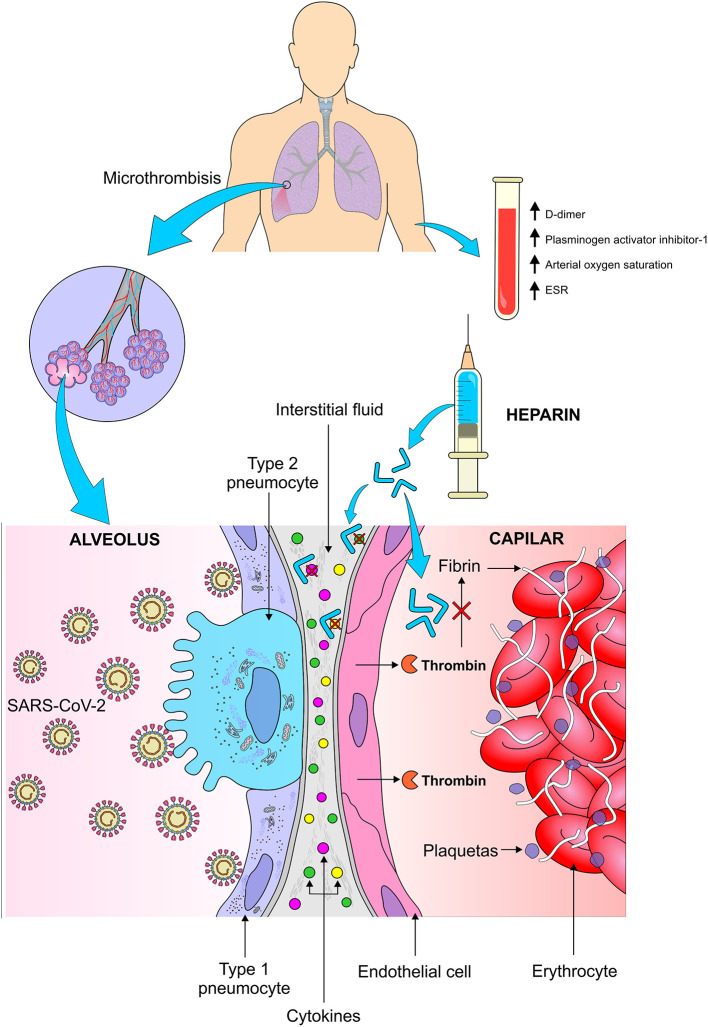
Thromboembolic complications in patients with pulmonary infection caused by SARS-CoV-2 and the mechanism of action of heparin in the pulmonary microthrombotic events. This viral infection results in high levels of cytokines in the pulmonary interstitial fluid, in addition to increased production of thrombin by the pulmonary endothelium, which increases the thromboembolic events in the lung tissue resulting in less oxygenation. The use of heparin reduces the conversion of thrombin to fibrin and decreases the activity of cytokines in the pulmonary interstitium. TSE, Erythematous sedimentation rate. Figure source: Authors' own drawing.
Figure 2
Figure 2
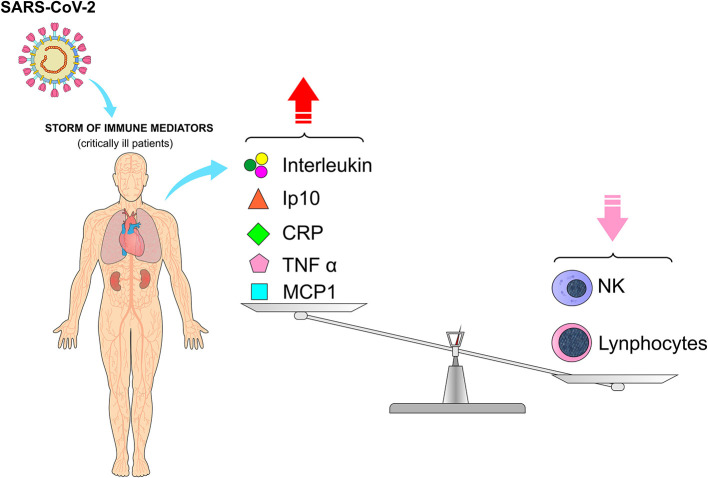
Cytokine release syndrome (CRS) and low levels of lymphocytes in peripheral blood, especially natural Killer cells (NK), in patients infected with SARS-CoV-2. The storm of immune mediators due to infection by SARS-CoV-2 has a direct impact on laboratory tests, with an increase in interleukin, Ip10, CRP, TNT-α, and MCP-1 and a decrease in some of the blood elements such as lymphocytes and NK cells. (Ip10, induced protein 10; CRP, C-reactive protein; TNF-α, tumor necrosis factor; MCP-1, monocyte chemoattracting protein 1). Figure source: Authors' own drawing.
Figure 3
Figure 3
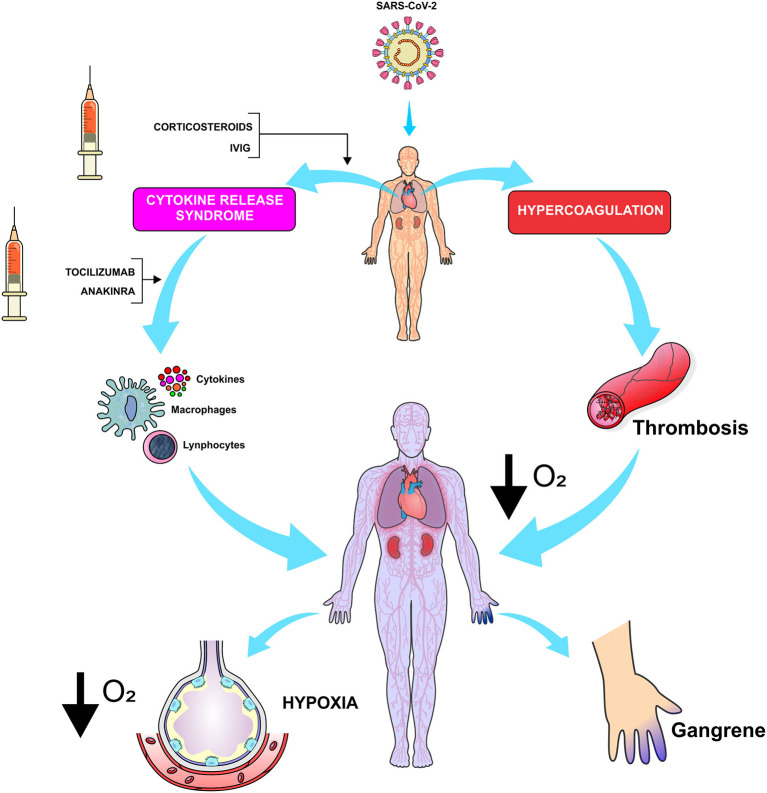
Considered as one of the most damaging effects of the pathophysiology of SARS-CoV-2, CRS determines a reduction in gas exchange in pulmonary alveoli while causing an increase in thromboembolic events that disrupt the lung tissue and reduce the respiratory reserve. The anti-inflammatory drugs reduce the levels of cytokines and improve the gas exchange between the alveolus and pulmonary capillary. In addition, they reduce the production of thrombin by the capillary endothelium. (O2, oxygen; IVIG, Intravenous immunoglobulin). Figure source: Authors' own drawing.
Figure 4
Figure 4
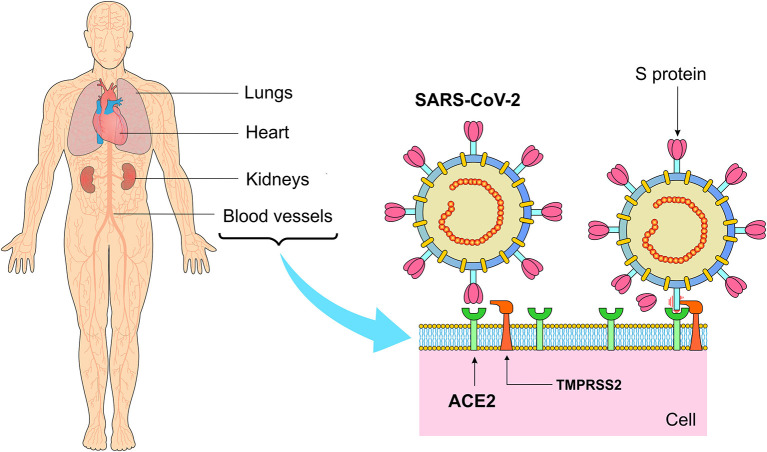
Main sites of angiotensin-converting enzyme 2 (ACE2) expression and binding of S protein to the ACE2 receptor after activation of the transmembrane serine protease 2 (TMPRESS2). ACE2 is a surface enzyme that acts as a port of entry of SARS-CoV-2 into the cells. This enzyme is present mainly in the pulmonary, cardiac, renal and vascular tissues, even though its presence in the adipose tissue places obesity as one of the risk factors for COVID-19. Figure source: Authors' own drawing.
Figure 5
Figure 5
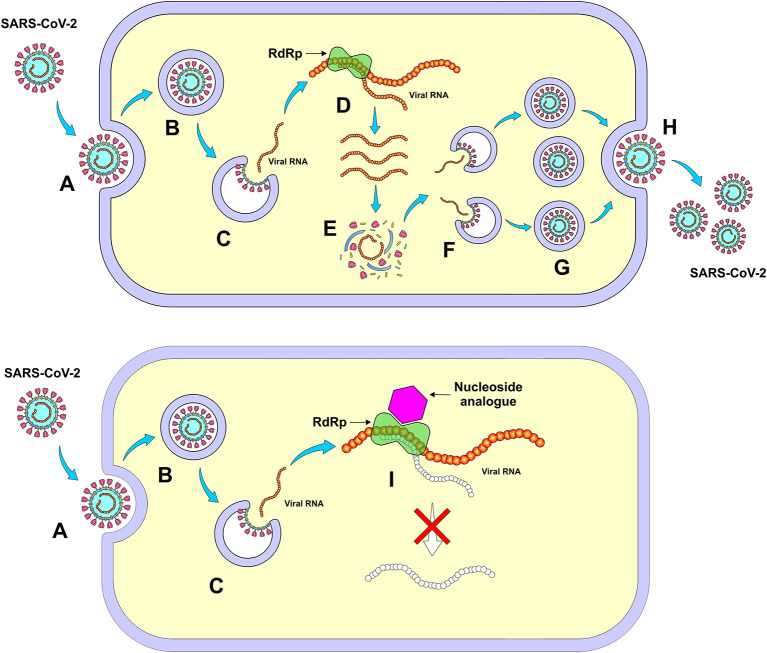
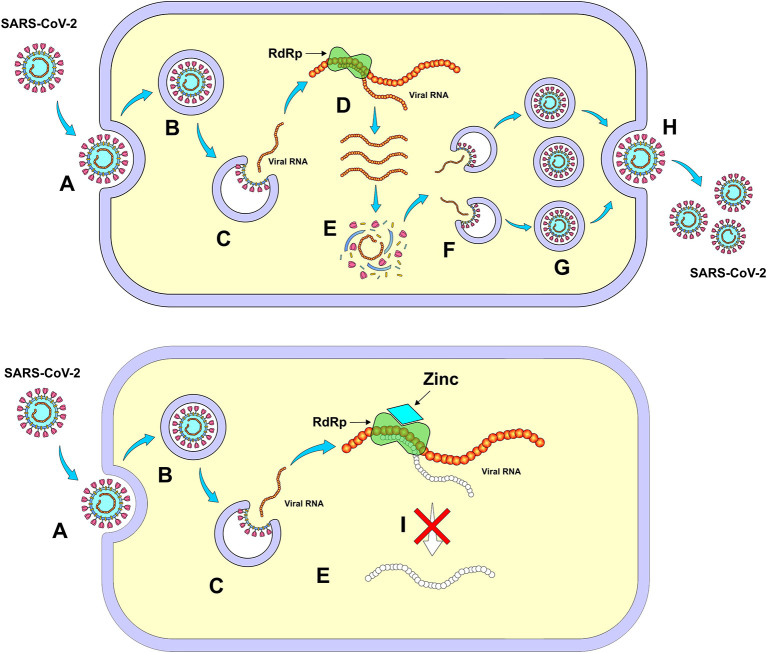
Mechanism of action of nucleoside analogs (Remdesivir) through inhibition of RNA-dependent RNA polymerase (RdRp). (A) Entry of SARS-CoV-2 into the cell, (B) Formation of the endosome, (C) Release of viral RNA in the cell's cytoplasm, (D) Viral self-replication by RdRp, (E) Synthesis of virus structural proteins, (F) Incorporation of RNA viral, (G) New viral units, (H) Release of new viruses, and (I) Inhibition of viral self-replication by RdRp. Figure source: Authors' own drawing.
Figure 6
Figure 6
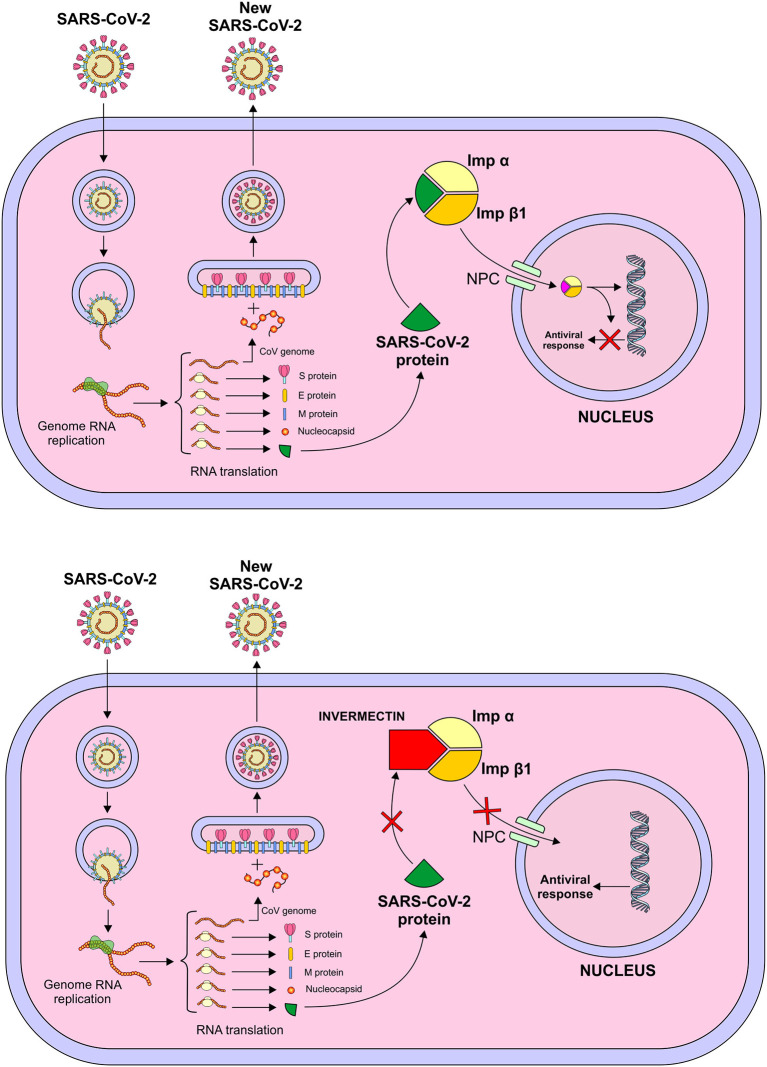
Mechanism of action of Ivermectin – Inhibition of integrase protein and importin α/β1 (IMPα/β1) heterodimer which helps the former to be inserted into the nucleus during the interaction between the virus and the human cell, resulting in interruption of viral replication. Figure source: Authors' own drawing.
Figure 7
Figure 7
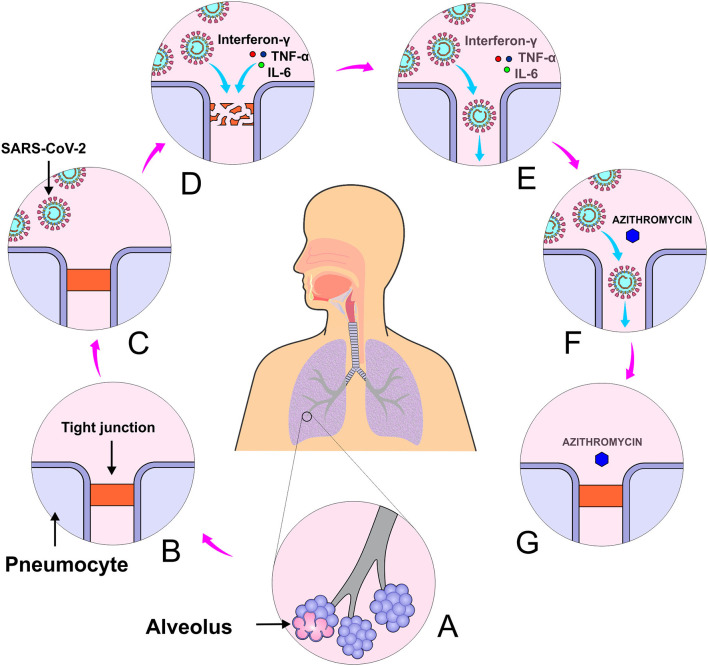
Azithromycin activity in maintaining the integrity of tight junctions. (A) Alveoli, (B) Tight junction, (C) Lung infection by SARS-CoV-2, (D) Tight junction disruption caused by virus interleukin 6, tumor necrosis factor and interferon α, (E) SARS-CoV-2 entrance, (F) Administration of azithromycin, and (G) Restoration of tight junctions.
Figure 8
Figure 8
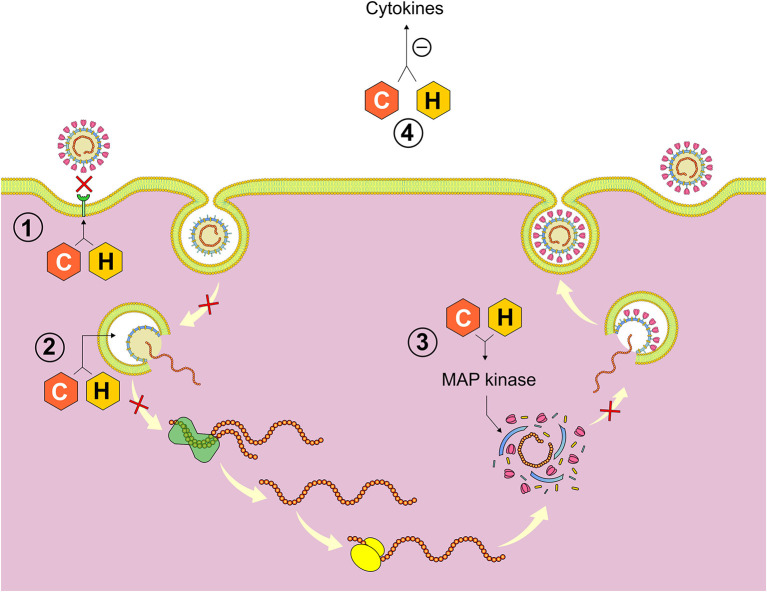
Mechanisms of action of chloroquine (C) and hydroxychloroquine (H). (1) Inhibition of host glycosylation receptor and quinone reductase 2 responsible for the formation of the sialic acid necessary for the incorporation of the virus into the host cell, (2) Alteration of the endosome pH and inhibition of cathepsins responsible for the extrusion of the viral RNA of the endosome, (3) MAP kinase inhibition interfering with the proteolytic processing of protein M, and (4) Immunomodulatory effect resulting in inhibition of the synthesis of cytokine. Figure source: Authors' own drawing.
Figure 9
Figure 9
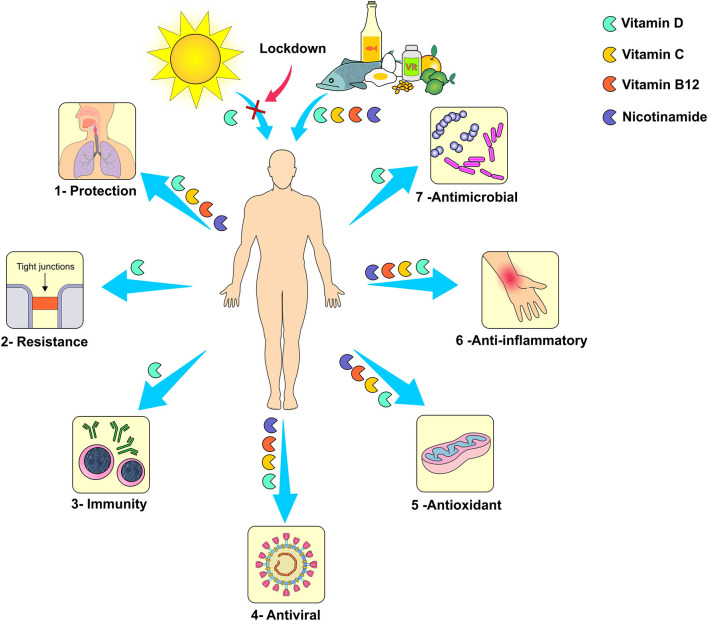
Mechanism of action of vitamins: 1- Reduction of susceptibility to viral infections of the respiratory tract, 2- Maintenance of the integrity of intercellular tight junctions resulting in increased resistance to microorganisms penetration, 3- Improvement of immunity, 4- Direct antiviral activity, 5- Antioxidant activity, 6- Anti-inflammatory activity, and 7- Increased production of antimicrobial peptides. Figure source: Authors' own drawing.
Figure 10
Figure 10
Mechanism of action of zinc – Inhibition of RNA-dependent RNA polymerase (RdRp). (A) Entry of SARS-CoV-2 into the cell, (B) Formation of endosome, (C) Release of viral RNA in the cell cytoplasm, (D) Viral self-replication by RdRp, (E) Synthesis of virus structural proteins, (F) Incorporation of RNA viral, (G) New viral units, (H) Release of new viruses, and (I) Inhibition of viral self-replication by RdRp. Figure source: Authors' own drawing.
Figure 11
Figure 11
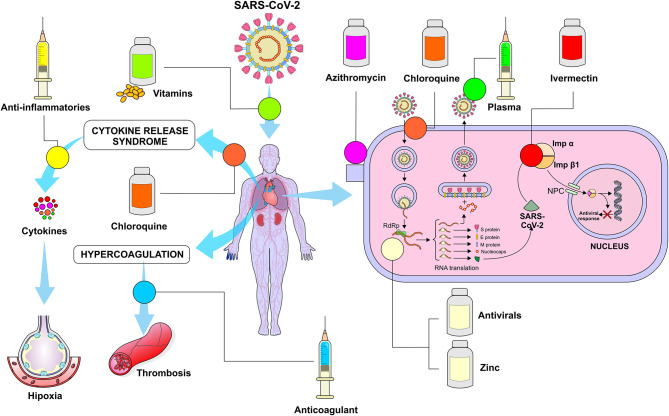
Summary of the mechanisms of action of the drugs currently used in SARS-CoV-2 infection. Chloroquine – Interferes with ACE2 ligands and receptors, decreasing the penetration of the virus into the cell, in addition, it changes the pH of the endosome, making it difficult to release viral RNA in the cell's cytoplasm; Azithromycin - Reduces the number of microorganisms in the alveolus and maintains the integrity of tight junctions, reinforcing the virus barrier; Anti-inflammatory drugs - Reduce the inflammatory process by decreasing the release of cytokines, Ivermectin - Inhibits the integrase protein and importin α/β1 (IMPα/β1) heterodimer that promote the entry of viral proteins in the cell nucleus; Convalescent plasma - Immunoglobulins directly fight the virus; Anticoagulant drugs- Interact with antithrombin reducing the thrombotic process; Antivirals (Remdesivir) - Inhibit the RNA-dependent RNA polymerase (RdRp) preventing the self-replication of viral RNA; Zinc - inhibits RNA-dependent RNA polymerase (RdRp) preventing self-replication of viral RNA. Figure source: Authors' own drawing.

References

    1. Poon LC, Yang H, Kapur A, Melamed N, Dao B, Divakar H, et al. Global interim guidance on coronavirus disease 2019 (COVID-19) during pregnancy and puerperium from FIGO and allied partners: information for healthcare professionals. Int J Gynaecol Obstet. (2020) 149:273–86. 10.1002/ijgo.13156 - DOI - PMC - PubMed
    1. WHO Director-General's Opening Remarks at the Media Briefing on COVID-19 (2020). Available online at: https://www.who.int/dg/speeches/detail/who-director-general-s-opening-re... (accessed April 19, 2020).
    1. WHO Director-General's Opening Remarks at the Media Briefing on COVID-19 (2020). Available online at: https://www.who.int/dg/speeches/detail/who-director-general-s-opening-re... (accessed April 19, 2020).
    1. World Health Organization Coronavirus disease 2019 (COVID-19). Situation Report−163. (2020). Available online at: https://www.who.int/emergencies/diseases/novel-coronavirus-2019/situatio... (accessed July 2, 2020).
    1. Syal K. COVID-19: herd immunity and convalescent plasma transfer therapy. J Med Virol. (2020) 92:1380–2. 10.1002/jmv.25870 - DOI - PMC - PubMed