


Extensive use of face masks during COVID-19 pandemic: (micro-)plastic pollution and potential health concerns in the Arabian Peninsula
- PMID: 33052188
- PMCID: PMC7543712
- DOI: 10.1016/j.sjbs.2020.09.054
Extensive use of face masks during COVID-19 pandemic: (micro-)plastic pollution and potential health concerns in the Arabian Peninsula
Abstract
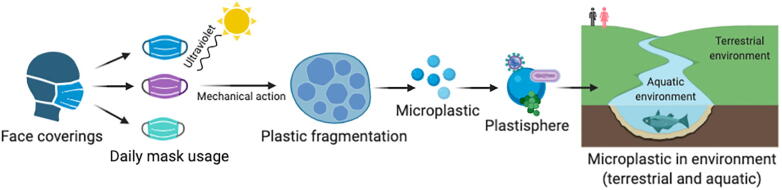
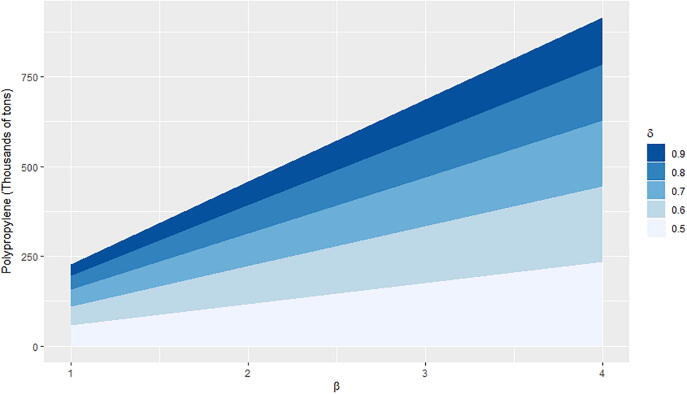
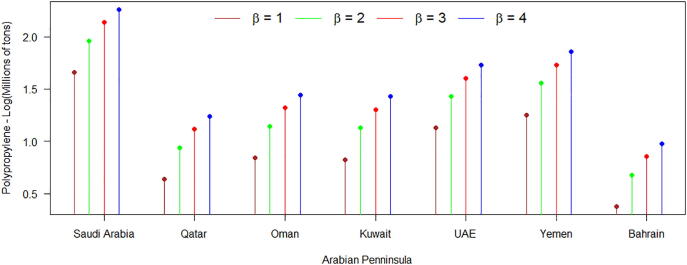
Face masks are primary line of defense to reduce the transmission risk of severe acute respiratory syndrome coronavirus 2 (SARS-CoV-2). World Health Organization (WHO) has already updated the guidelines and advised the use of face masks in public areas essentially. This has dramatically increased the production and use of face masks in many parts of the world. Arabian Peninsula is comprised of six countries where the public perception of following WHO guidelines is high. In this study, we highlight the concerns relating to extensive use of face masks in this region, particularly in the context of (micro-)plastic pollution. We computed the number of face masks to be used in each of the countries of Arabian Peninsula for varying levels of acceptance rate and average number of daily usages. Accordingly, the amount of (micro-)plastic that could come into the terrestrial and marine environment is also reported. Saudi Arabia, being the most populated country in the region may contribute up to 32-235 thousand tons of (micro-)plastic which is nearly half of the amount in the whole Peninsula. On the other hand, an extremely high infection rate in Qatar (25.74%) may also lead to a significant increase of (micro-)plastic content due to high public acceptance rate and living standards. The high (micro-)plastic fraction is of significant concern because it ends up in the marine ecosystems. Further, it allows colonization of several pathogenic microorganisms (bacteria, viruses, fungal filaments, and spores) and might serve as carriers of disease transmission finally affecting the living organisms habituating these ecosystems. It is suggested that appropriate regulations on face masks waste should be devised to avoid any unwanted consequences in the near future.
Keywords: (Micro-)plastic; COVID-19; Plastisphere; Qatar; SARS-CoV-2; Saudi Arabia.
© 2020 The Authors.
Figures
References
-
- Abayomi O.A., Range P., Al-Ghouti M.A., Obbard J.P., Almeer S.H., Ben-Hamadou R. Microplastics in coastal environments of the Arabian Gulf. Mar. Pollut. Bull. 2017;124(1):181–188. - PubMed
-
- BBC, 2020. Coronavirus: Five reasons why it is so bad in Yemen: https://www.bbc.com/news/world-middle-east-53106164 (Accessed 5th July, 2020).
-
- Pitman, J.K., Schenk, C.J., Brownfield, M.E., Charpentier, R.R., Cook, T.A., Klett, T.R. and Pollastro, R.M., 2012. Assessment of undiscovered conventional oil and gas resources of the Arabian Peninsula and Zagros Fold Belt, 2012. US Department of the Interior, US Geological Survey.
LinkOut - more resources
Full Text Sources
Other Literature Sources
Miscellaneous
