


Tubal flushing for subfertility
- PMID: 33053612
- PMCID: PMC9508794
- DOI: 10.1002/14651858.CD003718.pub5
Tubal flushing for subfertility
Abstract
Background: Establishing the subgroup analysis of the fallopian tubes (tubes) is a commonly undertaken diagnostic investigation for women with subfertility. This is usually achieved by flushing contrast medium through the tubes and visualising patency on radiographs, ultrasonography or laparoscopy. Many women were noted to conceive in the first three to six months after tubal flushing, raising the possibility that tubal flushing could also be a treatment for infertility. There has been debate about which contrast medium should be used (water-soluble or oil-soluble media) as this may influence pregnancy rates. An important adverse event during tubal flushing is intravasation (backflow of contrast medium into the blood or lymphatic vessels),which could lead to embolism although it is asymptomatic in most cases.
Objectives: To evaluate the effectiveness and safety of tubal flushing with oil-soluble contrast media (OSCM) and water-soluble contrast media (WSCM) on subsequent fertility outcomes in women with subfertility.
Search methods: We searched the Cochrane Gynaecology and Fertility Group Specialised Register of controlled trials, MEDLINE, Embase, CENTRAL, PsycINFO, reference lists of identified articles and trial registries. The most recent search was conducted in April 2020.
Selection criteria: Randomised controlled trials (RCTs) comparing tubal flushing with OSCM, WSCM with each other or with no treatment, in women with subfertility.
Data collection and analysis: Two review authors independently selected the trials, assessed risk of bias and extracted data. We contacted study authors for additional information. The overall quality of the evidence was assessed using GRADE methods.
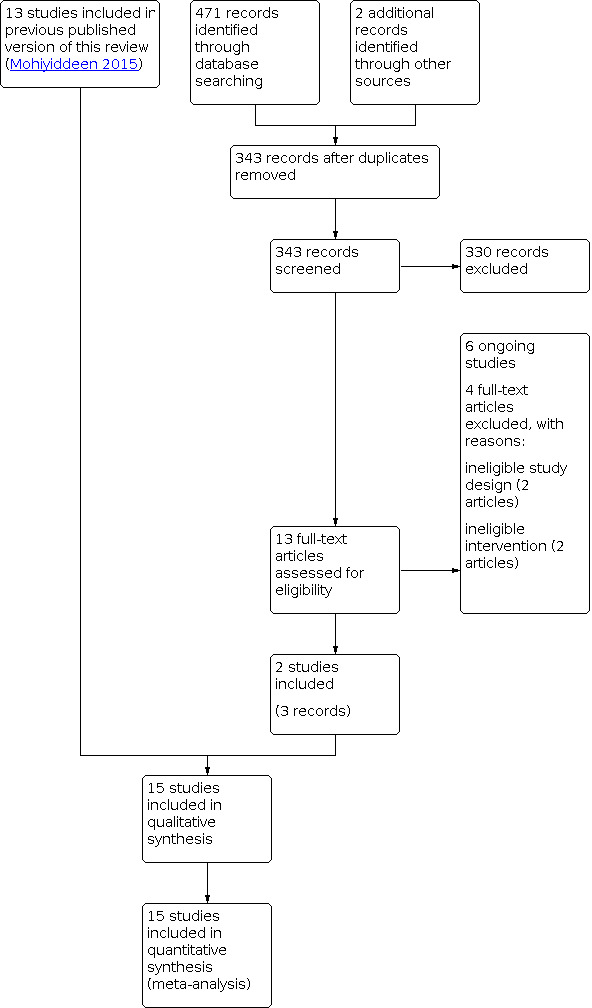
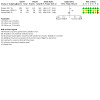
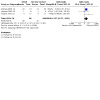
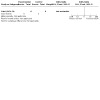
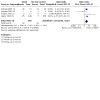
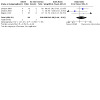
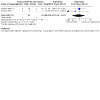
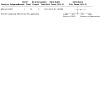
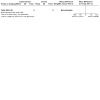
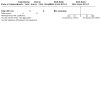
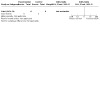
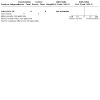
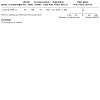
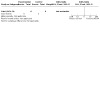
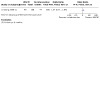
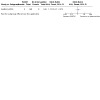
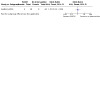
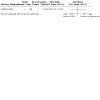
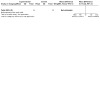
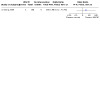
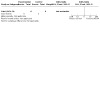
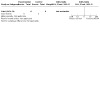
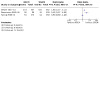
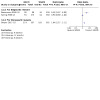
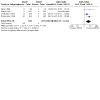
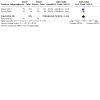
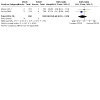
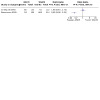
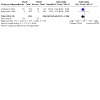
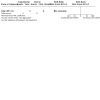
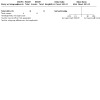
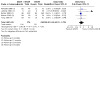
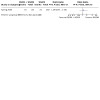
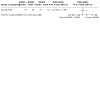
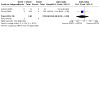
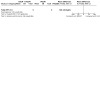
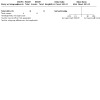
Main results: Fifteen trials involving 3864 women were included in this systematic review. Overall, the quality of evidence varied from very low to moderate: the main limitations were risk of bias, heterogeneity and imprecision. OSCM versus no treatment Four studies (506 women) were included in this comparison. Tubal flushing with OSCM may increase the odds of live birth (odds ratio (OR) 3.27, 95% confidence interval (CI) 1.57 to 6.85, 3 RCTs, 204 women, I2 = 0, low-quality evidence). This suggests that if the chance of live birth following no treatment is assumed to be 11%, the chance following tubal flushing with OSCM would be between 16% and 46%. Tubal flushing with OSCM may increase in the odds of clinical pregnancy (OR 3.54, 95% CI 2.08 to 6.02, 4 RCTs, 506 women, I2 = 18%, low-quality evidence). This suggests that if the chance of clinical pregnancy following no treatment is assumed to be 9%, the chance following tubal flushing with OSCM would be between 17% and 37%. No study measured intravasation or other adverse events such as infection, haemorrhage and congenital abnormalities. WSCM versus no treatment Only one study (334 women) was included in this comparison. We are uncertain whether tubal flushing with WSCM increase live birth compared to no treatment (OR 1.13, 95% CI 0.67 to 1.91, 1 RCT, 334 women, low-quality evidence). This suggests that if the chance of live birth following no treatment is assumed to be 21%, the chance following tubal flushing with WSCM would be between 15% and 33%. We are uncertain whether tubal flushing with WSCM increases clinical pregnancy compared to no treatment (OR 1.14, 95% CI 0.71 to 1.84, 1 RCT, 334 women, low-quality evidence). This suggests that if the chance of clinical pregnancy following no treatment is assumed to be 27%, the chance following tubal flushing with WSCM would be between 29% and 40%. One case with pelvic infection was reported in the WSCM group and no case with infection in the no treatment group in a one study (334 women). Meta-analysis was not performed due to the rare events. No study measured intravasation or other adverse events such as infection, haemorrhage and congenital abnormalities. OSCM versus WSCM Six studies (2598 women) were included in this comparison. Three studies reported live birth, including two with higher live birth in the OSCM group (OR 1.64, 95% CI 1.27 to 2.11, 1119 women; OR 3.45, 95% CI 1.97 to 6.03, 398 women); and one with insufficient evidence of a difference between groups (OR 0.92, 95% CI 0.60 to 1.40, 533 women). Given the substantial heterogeneity observed (I2 = 86%), meta-analysis was not performed. Tubal flushing with OSCM probably increased in the odds of intravasation (asymptomatic) compared to tubal flushing with WSCM (OR 5.00, 95% CI 2.25 to 11.12, 4 RCTs, 1912 women, I2 = 0, moderate-quality evidence). This suggests that if the chance of intravasation following tubal flushing with WSCM is assumed to be 1%, the chance following tubal flushing with OSCM would be between 2% and 9%. Tubal flushing with OSCM may increase the odds of clinical pregnancy (OR 1.42, 95% CI 1.10 to 1.85, 6 RCTs, 2598 women, I2 = 41%, low-quality evidence). This suggests that if the chance of clinical pregnancy following tubal flushing with WSCM is assumed to be 26%, the chance following tubal flushing with OSCM would be between 28% and 39%. We are uncertain whether tubal flushing with OSCM decreases the odds of infection (OR 0.22, 95% CI 0.04 to 1.22, 2 RCTs, 662 women, I2 = 0, very low-quality evidence) or haemorrhage (OR 0.65, 95% CI 0.40 to 1.06, 2 RCTs, 662 women, I2 = 0, very low-quality evidence). Three neonates with congenital abnormalities were reported in the OSCM group while no congenital abnormality was reported in the WSCM group in one study (1119 women). No meta-analysis was performed due to the rare events.
Authors' conclusions: The evidence suggests that compared to no treatment, tubal flushing with OSCM may increase the chance of live birth and clinical pregnancy, while it is uncertain whether tubal flushing with WSCM improves those outcomes. Compared to tubal flushing with WSCM, OSCM may improve clinical pregnancy while meta-analysis was impossible for live birth due to heterogeneity. Evidence also suggests that OSCM is associated with an increased risk of asymptomatic intravasation. Overall, adverse events, especially long-term adverse events, are poorly reported across studies.
Trial registration: ClinicalTrials.gov NCT02433418 NCT03604549.
Copyright © 2020 The Cochrane Collaboration. Published by John Wiley & Sons, Ltd.
Conflict of interest statement
NJ is involved in fertility and endometriosis research with the University of Auckland and the University of Adelaide that is funded by Guerbet, the manufacturer of Lipiodol; he has also been in receipt of research funding from Abb‐Vie and Myovant Sciences;he has private appointments with private medical practice groups called Auckland Gynaecology Group and Repromed Auckland (with both of whom he is a shareholder); he has undertaken paid consultancies for Guerbet, as well as Myovant Sciences, Vifor Pharma and Roche Diagnostics; he was an investigator on two included trials (Johnson 2004 and Johnson 2019).
BWJM is supported by an NHMRC Investigator grant (GNT1176437) and reports consultancy for ObsEva, Merck KGaA, iGenomix and Guerbet ending July 2020; BWJM receives research support from Guerbet through his institute; BWJM was an investigator on one included trial (Dreyer 2017).
AW was an investigator on one included trial (Nugent 2002).
NJ, BWM and AW took no part in selection and data extraction of the studies of which they are authors.
RW, KC, CF and LM have no conflicts of interest to declare.
Figures











Update of
-
Tubal flushing for subfertility.Cochrane Database Syst Rev. 2015 May 1;2015(5):CD003718. doi: 10.1002/14651858.CD003718.pub4. Cochrane Database Syst Rev. 2015. Update in: Cochrane Database Syst Rev. 2020 Oct 15;10:CD003718. doi: 10.1002/14651858.CD003718.pub5. PMID: 25929235 Free PMC article. Updated.
References
References to studies included in this review
Al‐Fadhli 2006 {published data only}
-
- Al-Fadhli R, Sylvestre C, Buckett W, Tulandi T. A randomized study of laparoscopic chromopertubation with lipiodol versus saline in infertile woman. Fertility and Sterility 2006;85(2):505-7. - PubMed
Alper 1986 {published data only}
-
- Alper MM, Garner PR, Spence JE, Quarrington AM. Pregnancy rates after hysterosalpingography with oil- and water-soluble contrast media. Obstetrics and Gynecology 1986;68(1):6-9. - PubMed
De Boer 1988 {published data only}
-
- De Boer AD, Vemer HM, Willemsen WN, Saunders FB. Oil or aqueous contrast media for hysterosalpingography: a prospective, randomized, clinical study. European Journal of Obstetrics Gynecology and Reproductive Biology 1998;28:65-8. - PubMed
Dreyer 2017 {published data only}
-
- Dreyer K, Berghuis MA, Mijatovic V, Goddijn M, Verhoeve HR, Hoek A, et al. Therapeutic effect of oil-based-versus water-based contrast for hysterosalpingography (HSG) during the fertility work-up (H2Oil study), NTR3270, a nationwide randomised controlled trial. Human Reproduction 2015;30(Suppl1):i120.
-
- Dreyer K, Rijswijk J, Mijatovic V, Goddijn M, Verhoeve HR, Rooij IAJ, et al. Oil-based or water-based contrast for hysterosalpingography in infertile women. New England Journal of Medicine 2017;376(21):2043-52. - PubMed
Johnson 2004 {published data only}
-
- Johnson N, Farquhar C, Suckling J, Yu Y, Sadler L, Hadden W. The FLUSH Trial - a randomised trial of lipiodol flushing for unexplained subfertility by hysterosalpingography. In: Australian and New Zealand Journal of Obstetrics and Gynaecology (refereed abstracts of original oral presentations at the Royal Australian and New Zealand College of Obstetricians and Gynaecologists 5th Scientific Meeting, Auckland). Vol. 43. 2003:406.
-
- Johnson NP, Farquhar CM, Hadden WE, Suckling J, Yu Y, Sadler L. The FLUSH Trial - Flushing with lipiodol for unexplained (and endometriosis-related) subfertility by hysterosalpingography: a randomised trial. Human Reproduction 2004;19:2043-51. - PubMed
-
- Johnson NP, Kwok R, Stewart AW, Saththianathan M, Hadden WE, Chamley LW. Lipiodol fertility enhancement: two-year follow-up of a randomized trial suggests a transient benefit in endometriosis, but a sustained benefit in unexplained infertility. Human Reproduction 2007;22(11):2857-62. - PubMed
Johnson 2019 {published data only}
-
- Johnson NP, Baidya S, Jessup SO, Print CG, Muthukaruppan A, Chamley LW, et al. Randomised trial of Lipiodol Uterine Bathing Effect (LUBE) in women with endometriosis-related infertility. Fertility & Reproduction 2019;1(1):57-64. [DOI: 10.1142/S2661318219500063]
-
- Johnson NP. Lipiodol fertility enhancement in unexplained and endometriosis-related infertility. Thesis (MD) - University of Auckland 2007.
Letterie 1990 {published data only}
-
- Letterie GS, Rose GS. Pregnancy rates after the use of oil-based and water-based contrast media to evaluate tubal patency. Southern Medical Journal 1990;83:1402-3. - PubMed
Lindborg 2009 {published data only}
-
- Lindborg L, Thorburn J, Bergh C, Strandell A. Influence of HyCoSy on spontaneous pregnancy: a randomized controlled trial. Human Reproduction 2009;24:1075-9. - PubMed
Lindequist 1994 {published data only}
-
- Lindequist S, Rasmussen F, Larsen C. Use of iotrolan versus ethiodized poppy-seed oil in hysterosalpingography. Radiology 1994;191:513-7. - PubMed
Nugent 2002 {published data only}
-
- Nugent D, Watson AJ, Killick SR, Balen AH, Rutherford AJ. A randomized controlled trial of tubal flushing with lipiodol for unexplained infertility. Fertility and Sterility 2002;77:173-5. - PubMed
Ogata 1993 {published data only}
-
- Ogata R, Nakamura G, Uchiumi Y, Yokoyamay M, Watanabe Y, Nozaki M, et al. Therapeutic efficacy of hysterosalpingography (HSG) in infertility, a prospective, randomized, clinical study. Japanese Journal of Fertility and Sterility 1993;38:91-4.
Rasmussen 1991 {published data only}
-
- Lindequist S, Justesen P, Larsen C, Rasmussen F. Diagnostic quality and complications of hysterosalpingography: oil- versus water-soluble contrast media - a randomized prospective study. Radiology 1991;179:69-74. - PubMed
-
- Rasmussen F, Lindequist S, Larsen C, Justesen P. Therapeutic effect of hysterosalpingography: oil- versus water-soluble contrast media - a randomized prospective study. Radiology 1991;179:75-9. - PubMed
Spring 2000 {published data only}
-
- Spring DB, Barkan HE, Pruyn SC. Potential therapeutic effects of contrast materials in hysterosalpingography: a prospective randomized clinical trial. Radiology 2000;214:53-7. - PubMed
Steiner 2003 {published data only}
-
- Steiner AZ, Meyer WR, Clark RL, Hartmann KE. Oil-soluble contrast during hysterosalpingography in women with proven tubal patency. Obstetrics and Gynecology 2003;101:109-13. - PubMed
Yang 1989 {published data only}
-
- Yang KN, Yeh NG, Pan SB. The therapeutic effects of oil-soluble hysterosalpingography contrast medium following water-soluble hysterosalpingography contrast medium. Chinese Medical Journal 1989;44:293-7. - PubMed
References to studies excluded from this review
Acton 1988 {published data only}
-
- Acton C, Davitt J, Ryan E. Hysterosalpingography in infertility - an experience of 3631 examinations. Australian and New Zealand Journal of Obstetrics and Gynaecology 1988;28:127-33. - PubMed
Barwin 1971 {published data only}
Court 2014 {published data only}
-
- Court KA, Dare AJ, Weston-Webb M, Hadden WE, Sim RG, Johnson NP. Establishment of lipoidal as a fertility treatment - prospective study of the complete innovative treatment data set. Australian and New Zealand Journal of Obstetrics and Gynaecology 2014;54:13-9. - PubMed
DeCherney 1980 {published data only}
-
- DeCherney AH, Kort H, Barney JB, DeVore GR. Increased pregnancy rate with oil-soluble hysterosalpingography dye. Fertility and Sterility 1980;33:407-10. - PubMed
Gillespie 1965 {published data only}
-
- Gillespie H. The therapeutic aspect of hysterosalpingography. British Journal of Radiology 1965;38:301-2. - PubMed
Mackey 1971 {published data only}
-
- Mackey RA, Glass RH, Olson LE, Vaidya R. Pregnancy following hysterosalpingography with oil and water soluble dye. Fertility and Sterility 1971;22:504-7. - PubMed
Perquin 2006 {published data only}
-
- Perquin DA, Dorr PJ, Craen AJ, Helmerhorst FM. Routine use of hysterosalpingography prior to laparoscopy in the fertility workup: a multicentre randomized controlled trial. Human Reproduction 2006;21(5):1227-31. - PubMed
Pham 2017 {published data only}
-
- Pham C, Rijswijk J, Dreyer K, Verhoeve H, Karnon J, Mol BW. The cost-effectiveness of tubal flushing: a randomized trial of oil versus water. Fertility and Sterility 2017;108(Suppl 1):e16.
Reilly 2019 {published data only}
-
- Reilly SJ, Glanville EJ, Dhorepatil B, Prentice LR, Mol BW, Johnson NP. The IVF-LUBE trial - a randomized trial to assess Lipiodol® uterine bathing effect in women with endometriosis or repeat implantation failure undergoing IVF. Reproductive Biomedicine Online 2019;38(3):380-6. - PubMed
Schwabe 1983 {published data only}
-
- Schwabe MG, Shapiro SS, Haning RV. Hysterosalpingography with oil contrast medium enhances fertility in patients with infertility of unknown etiology. Fertility and Sterility 1983;40:604-6. - PubMed
van Rijswijk 2018a {published data only}
-
- Rijswijk J, Welie N, Dreyer K, Hooff MH, Bruin JP, Verhoeve H, et al. The FOAM study: is Hysterosalpingo foam sonography (HyFoSy) a cost-effective alternative for hysterosalpingography (HSG) in assessing tubal patency in subfertile women? Study protocol for a randomized controlled trial. BMC Women's Health 2018;18(1):64. - PMC - PubMed
van Rijswijk 2018b {published data only}
-
- Rijswijk J, Pham CT, Dreyer K, Verhoeve HR, Hoek A, Bruin JP, et al. Oil-based or water-based contrast for hysterosalpingography in infertile women: a cost-effectiveness analysis of a randomized controlled trial. Fertility and Sterility 2018;110(4):754-60. - PubMed
Wolf 1989 {published data only}
-
- Wolf G, Fitzpal P. Hysterosalpingography with a new contrast medium. Fortschritte auf dem Gebiete der Rontgenstrahlem und der Nuklearmedizin - Erganzungsband 1989;128:190-4. - PubMed
Yaegashi 1987 {published data only}
-
- Yaegashi N, Kuramoto M, Nakayama C, Nakano M. Pregnancy rates after hysterosalpingography - comparing water soluble contrast medium with oily contrast medium. Acta Obstetrica et Gynaecologica Japonica 1987;39:1812-4. - PubMed
References to ongoing studies
Cai 2019 {published data only}
-
- ChiCTR1900025866. Ongoing study. 1 January 2020. Contact author for more information.
Hassan 2015 {published data only}
-
- NCT02433418. Ongoing study. May 2015. Contact author for more information.
Legro 2018 {published data only}
-
- SHOW Trial (NCT03604549). Ongoing study. 11 January 2019. Contact author for more information.
Mijatovic 2018 {published data only}
-
- H2Oil-timing study (EUCTR2018-004153-24-NL). Ongoing study. 30 July 2019. Contact author for more information.
Rosielle 2019 {published data only}
-
- H2Olie2 (NL7925). Ongoing study. August, 20, 2019. Contact author for more information.
Zhang 2020 {published data only}
-
- ChiCTR2000031612. Ongoing study. 5 April 2020. Contact author for more information.
Additional references
ASRM 2015
-
- Practice Committee of the American Society for Reproductive Medicine. Diagnostic evaluation of the infertile female: a committee opinion. Fertility and Sterility 2015;103(6):e44-50. [PMID: ] - PubMed
Bateman 1987
-
- Bateman BG, Nunley WC, Kitchin JD, Kaizer DL. Utility of the 24-hour delay hysterosalpingogram. Fertility and Sterility 1987;47:613-7. - PubMed
Capitanio 1991
-
- Capitanio GL, Ferraiolo A, Croce S, Gazzo R, Anserini P, De Cecco L. Transcervical selective salpingography: a diagnostic and therapeutic approach to cases of proximal tubal injection failure. Fertility and Sterility 1991;55:1045-50. - PubMed
Chalazonitis 2009
-
- Chalazonitis A, Tzovara I, Laspas F, Porfyridis P, Ptohis N, Tsimitselis G. Hysterosalpingography: technique and applications. Current Problems in Diagnostic Radiology 2009;38(5):199-205. [PMID: ] - PubMed
Coenders‐Tros 2016
-
- Coenders-Tros R, Kessel MA, Vernooij MM, Oosterhuis GJ, Kuchenbecker WK, Mol BW, et al. Performance of outpatient transvaginal hydrolaparoscopy. Human Reproduction (Oxford, England) 2016;31(10):2285-91. [PMID: ] - PubMed
Datta 2016
Dreyer 2019
-
- Dreyer K, Eekelen R, Tjon-Kon-Fat RI, Steeg JW, Steures P, Eijkemans M, et al. The therapeutic effect of hysterosalpingography in couples with unexplained subfertility: a post-hoc analysis of a prospective multi-centre cohort study. Reproductive Biomedicine Online 2019;38(2):233-9. [PMID: ] - PubMed
Dusak 2013
Evers 2002
-
- Evers JL. Female subfertility. Lancet (London, England) 2002;360(9327):151-9. [PMID: ] - PubMed
Fang 2018
-
- Fang F, Bai Y, Zhang Y, Faramand A. Oil-based versus water-based contrast for hysterosalpingography in infertile women: a systematic review and meta-analysis of randomized controlled trials. Fertility and Sterility 2018;110(1):153-60.e3. [PMID: ] - PubMed
Farquhar 2019
-
- Farquhar CM, Bhattacharya S, Repping S, Mastenbroek S, Kamath MS, Marjoribanks J, et al. Female subfertility. Nature Reviews. Disease Primers 2019;5(1):7. [PMID: ] - PubMed
Fukui 1999
-
- Fukui A, Fujii S, Yamaguchi E, Kimura H, Sato S, Saito Y. NK cell subpopulations and cytotoxicity for infertile patients undergoing in vitro fertilisation. American Journal of Reproductive Immunology 1999;41:413-22. - PubMed
Grant 1971
-
- Grant A. Infertility surgery of the oviduct. Fertility and Sterility 1971;22:495-503. - PubMed
Higgins 2011
Inhorn 2015
-
- Inhorn MC, Patrizio P. Infertility around the globe: new thinking on gender, reproductive technologies and global movements in the 21st century. Human Reproduction Update 2015;21(4):411-26. - PubMed
Izumi 2017
-
- Izumi G, Koga K, Takamura M, Bo W, Nagai M, Miyashita M, et al. Oil-Soluble Contrast Medium (OSCM) for hysterosalpingography modulates dendritic cell and regulatory T cell profiles in the peritoneal cavity: a possible mechanism by Which OSCM enhances fertility. Journal of immunology (Baltimore, Md. : 1950) 2017;198(11):4277-84. [PMID: ] - PubMed
Johnson 1992
-
- Johnson J, Montoya I, Olive D. Ethiodol oil contrast medium inhibits macrophage phagocytosis and adherence by altering membrane electronegativity and microviscosity. Fertility and Sterility 1992;58:511-7. - PubMed
Kerin 1991
-
- Kerin J, Surrey E, Williams D, Daykhovsky L, Grundfest W. Falloposcopic observations of endotubal isthmic plugs as a cause of reversible obstruction and their histologic characterisation. Journal of Laparoendoscopic Surgery 1991;1:103-10. - PubMed
Lefebvre 2011
-
- Lefebvre C, Manheimer E, Glanville J. Chapter 6: Searching for studies. In: Higgins JP, Green S, editor(s). Cochrane Handbook for Systematic Reviews of Interventions Version 5.1.0 (updated March 2011). The Cochrane Collaboration, 2011. Available from handbook.cochrane.org.
Lim 2011
-
- Lim CP, Hasafa Z, Bhattacharya S, Maheshwari A. Should a hysterosalpingogram be a first-line investigation to diagnose female tubal subfertility in the modern subfertility workup? Human Reproduction (Oxford, England) 2011;26(5):967-71. [PMID: ] - PubMed
Lindequist 1991
-
- Lindequist S, Justesen P, Larsen C, Rasmussen F. Diagnostic quality and complications of hysterosalpingography: oil- versus water-soluble contrast media - a randomized prospective study. Radiology 1991;179:69-74. - PubMed
Lyons 2006
-
- Lyons RA, Saridogan E, Djahanbakhch O. The reproductive significance of human Fallopian tube cilia. Human Reproduction Update 2006;12(4):363-72. [PMID: ] - PubMed
Mikulska 1994
-
- Mikulska D, Kurzawa R, Rozewicka L. Morphology of in vitro sperm phagocytosis by rat peritoneal macrophages under influence of oily contrast medium (lipiodol). Acta Europaea Fertilitatis 1994;25:203-6. - PubMed
NICE 2013
-
- National Institute for Health and Care Excellence. Fertility problems: assessment and treatment. NICE guideline (CG156) 2013. - PubMed
Novy 1988
-
- Novy MJ, Thurmond AS, Patton P, Uchida BT, Rosch J. Diagnosis of cornual obstruction by transcervical fallopian tube cannulation. Fertility and Sterility 1988;50:434-40. - PubMed
Roest 2020
Satoh 2015
-
- Satoh M, Aso K, Katagiri Y. Thyroid dysfunction in neonates born to mothers who have undergone hysterosalpingography involving an oil-soluble iodinated contrast medium. Hormone Research in Paediatrics 2015;84(6):370-5. [PMID: ] - PubMed
Saunders 2011
-
- Saunders RD, Shwayder JM, Nakajima ST. Current methods of tubal patency assessment. Fertility and Sterility 2011;95(7):2171-9. [PMID: ] - PubMed
Sawatari 1993
-
- Sawatari Y, Hori T, Hoshiai H. Oily contrast medium as a therapeutic agent for infertility because of mild endometriosis. Fertility and Sterility 1993;59:907-11. - PubMed
So 2017
-
- So S, Yamaguchi W, Tajima H, Nakayama T, Tamura N, Kanayama N, et al. The effect of oil and water-soluble contrast medium in hysterosalpingography on thyroid function. Gynecological endocrinology : the official journal of the International Society of Gynecological Endocrinology 2017;33(9):682-5. [PMID: ] - PubMed
Soules 1982
-
- Soules MR, Spadoni LR. Oil versus aqueous media for hysterosalpingography: a continuing debate based on many opinions and few facts. Fertility and Sterility 1982;28:1-11. - PubMed
Sulak 1987
-
- Sulak PJ, Letterie GS, Coddington CC, Hayslip CC, Woodward JE, Klein TA. Histology of proximal tubal occlusion. Fertility and Sterility 1987;48:437-40. - PubMed
Thurmond 1990
-
- Thurmond A, Rosch J. Nonsurgical fallopian tube recanalisation for treatment of infertility. Radiology 1990;174:371-4. - PubMed
van Welie 2019
Wang 2019
-
- Wang R, Welie N, Rijswijk J, Johnson NP, Norman RJ, Dreyer K, et al. Effectiveness on fertility outcome of tubal flushing with different contrast media: systematic review and network meta‐analysis. Ultrasound in Obstetrics & Gynecology 2019;54(2):172-81. - PubMed
Watson 1994
-
- Watson A, Vandekerckhove P, Lilford R, Vail A, Brosens I, Hughes E. A meta-analysis of the therapeutic role of oil soluble contrast media at hysterosalpingography: a surprising result? Fertility and Sterility 1994;61:470-7. - PubMed
Yun 2004
-
- Yun AJ, Lee PY. Enhanced fertility after diagnostic hysterosalpingography using oil-based contrast agents may be attributable to immunomodulation. AJR. American Journal of Roentgenology Diagnostic Imaging and Related Sciences 2004;183(6):1725-7. [PMID: ] - PubMed
References to other published versions of this review
Johnson 2002
Johnson 2005a
Johnson 2007
Mohiyiddeen 2015
Vandekerckhove 1996
-
- Vandekerckhove P, Lilford R, Harada T, Hughes E, Watson A. Oil-soluble versus water-soluble media for assessing tubal patency with hysterosalpingography or laparoscopy in subfertile women. Cochrane Database of Systematic Reviews 1996, Issue 4. Art. No: CD000092. [DOI: 10.1002/14651858.CD000092] - DOI - PubMed
Publication types
MeSH terms
Substances
Associated data
LinkOut - more resources
Full Text Sources
Other Literature Sources
Medical
Miscellaneous
