Carnosic acid improves porcine early embryonic development by inhibiting the accumulation of reactive oxygen species
- PMID: 33055461
- PMCID: PMC7768177
- DOI: 10.1262/jrd.2020-086
Carnosic acid improves porcine early embryonic development by inhibiting the accumulation of reactive oxygen species
Abstract
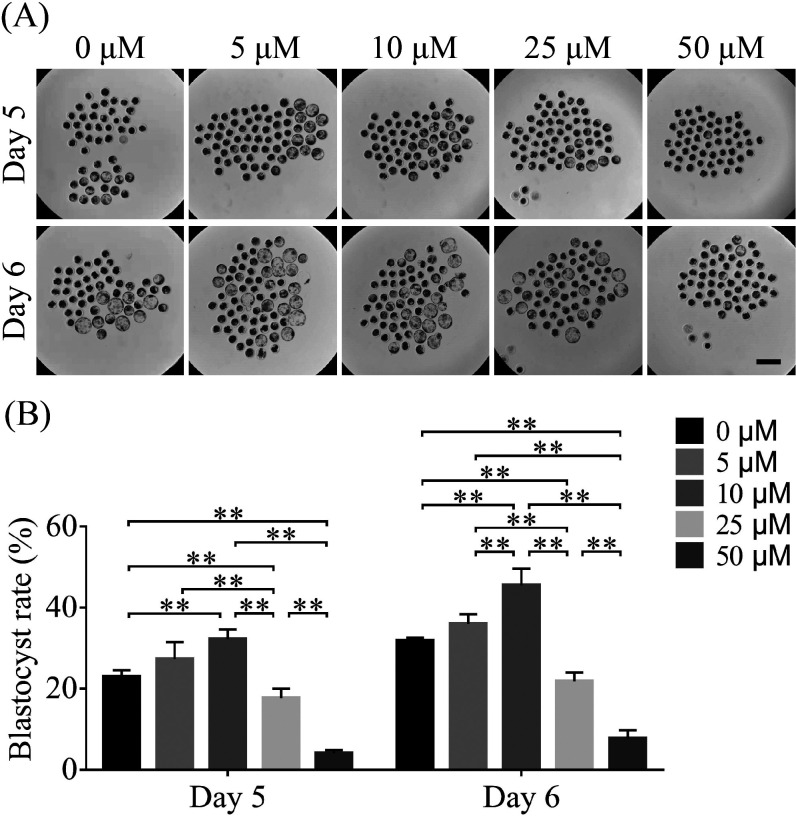
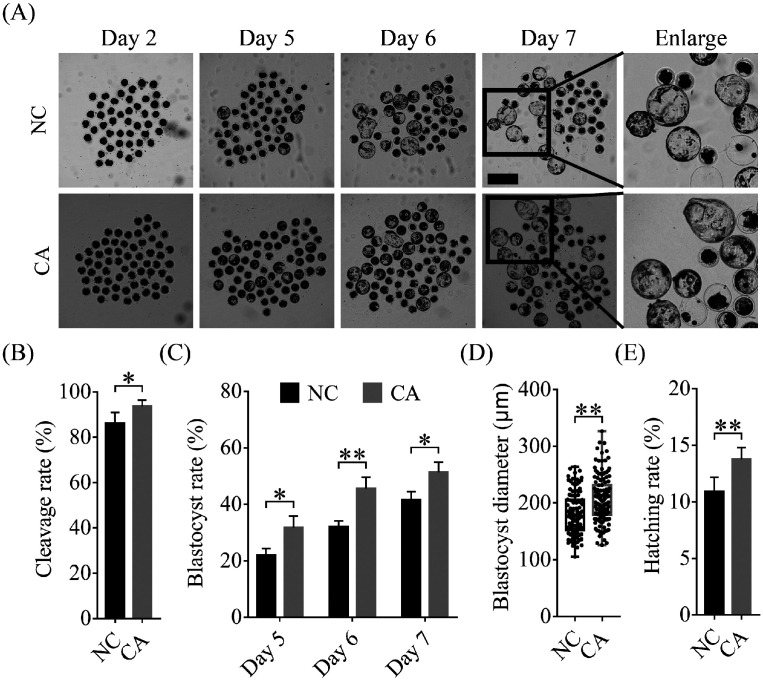
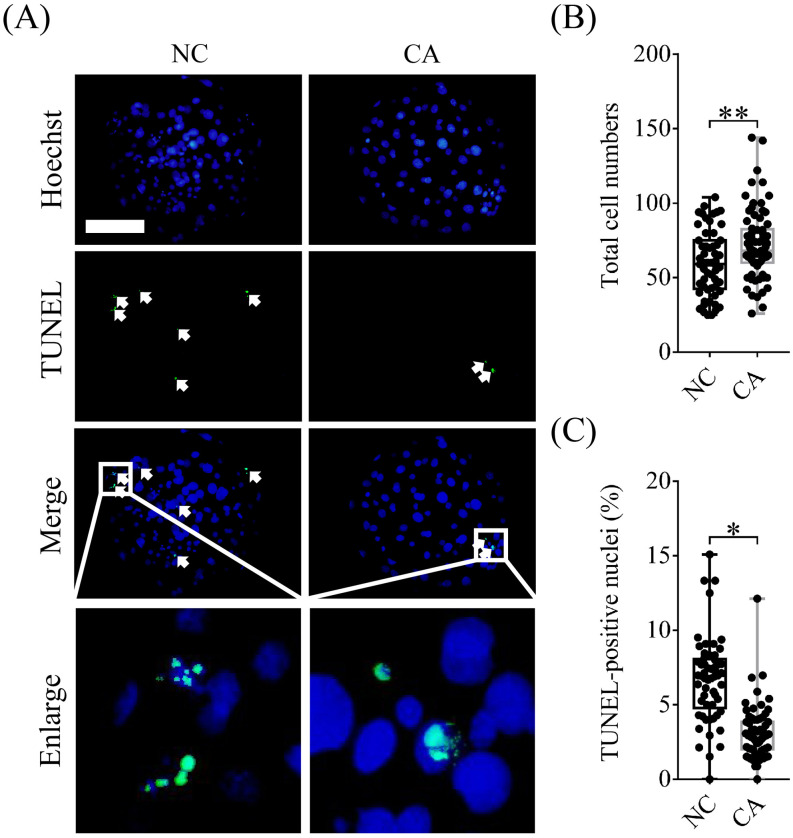
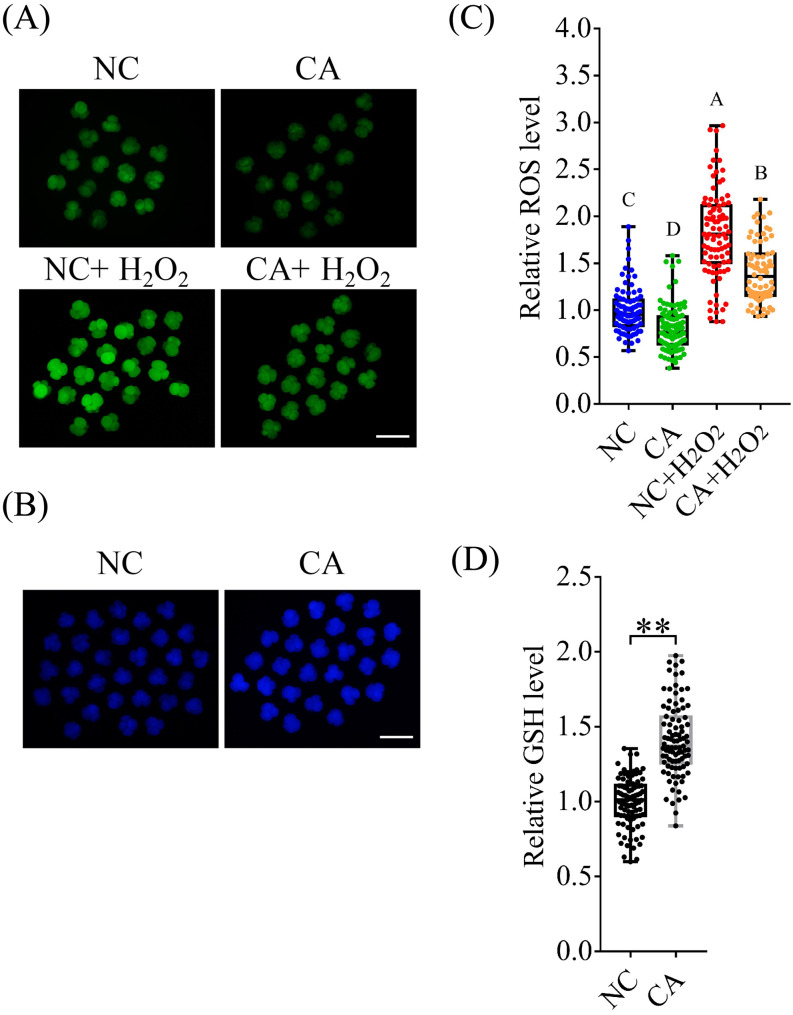
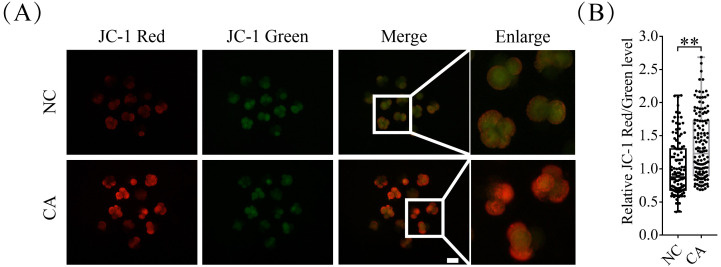
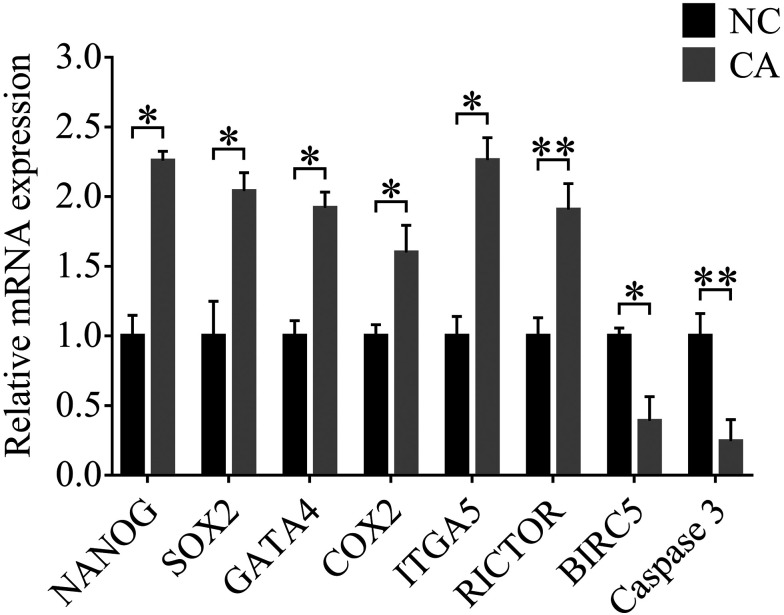
Carnosic acid (CA), a natural catechol rosin diterpene, is used as an additive in animal feeds and human foods. However, the effects of CA on mammalian reproductive processes, especially early embryonic development, are unclear. In this study, we added CA to parthenogenetically activated porcine embryos in an in vitro culture medium to explore the influence of CA on apoptosis, proliferation, blastocyst formation, reactive oxygen species (ROS) levels, glutathione (GSH) levels, mitochondrial membrane potential, and embryonic development-related gene expression. The results showed that supplementation with 10 μM CA during in vitro culture significantly improved the cleavage rates, blastocyst formation rates, hatching rates, and total numbers of cells of parthenogenetically activated porcine embryos compared with no supplementation. More importantly, supplementation with CA also improved GSH levels and mitochondrial membrane potential, reduced natural ROS levels in blastomeres, upregulated Nanog, Sox2, Gata4, Cox2, Itga5, and Rictor expression, and downregulated Birc5 and Caspase3 expression. These results suggest that CA can improve early porcine embryonic development by regulating oxidative stress. This study elucidates the effects of CA on early embryonic development and their potential mechanisms, and provides new applications for improving the quality of in vitro-developed embryos.
Keywords: Antioxidant; Carnosic acid; Embryo development; Oxidative stress; Porcine.
Conflict of interest statement
The authors have no conflicts of interest regarding the contents of this article.
Figures
References
-
- Opiela J, Samiec M. Characterization of mesenchymal stem cells and their application in experimental embryology. Pol J Vet Sci 2013; 16: 593–599. - PubMed
-
- Callesen MM, Árnadóttir SS, Lyskjaer I, Ørntoft MW, Høyer S, Dagnaes-Hansen F, Liu Y, Li R, Callesen H, Rasmussen MH, Berthelsen MF, Thomsen MK, Schweiger PJ, Jensen KB, Laurberg S, Ørntoft TF, Elverløv-Jakobsen JE, Andersen CL. A genetically inducible porcine model of intestinal cancer. Mol Oncol 2017; 11: 1616–1629. - PMC - PubMed
MeSH terms
Substances
LinkOut - more resources
Full Text Sources
Research Materials
Miscellaneous