A model-based evaluation of the efficacy of COVID-19 social distancing, testing and hospital triage policies
- PMID: 33057438
- PMCID: PMC7591016
- DOI: 10.1371/journal.pcbi.1008388
A model-based evaluation of the efficacy of COVID-19 social distancing, testing and hospital triage policies
Abstract
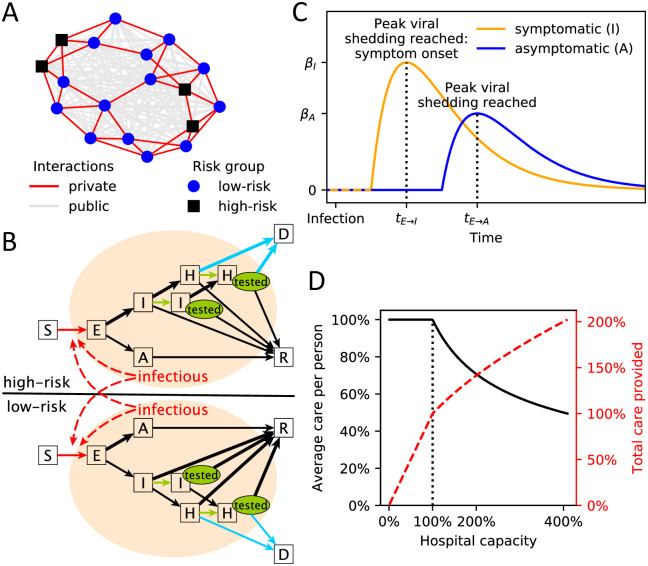
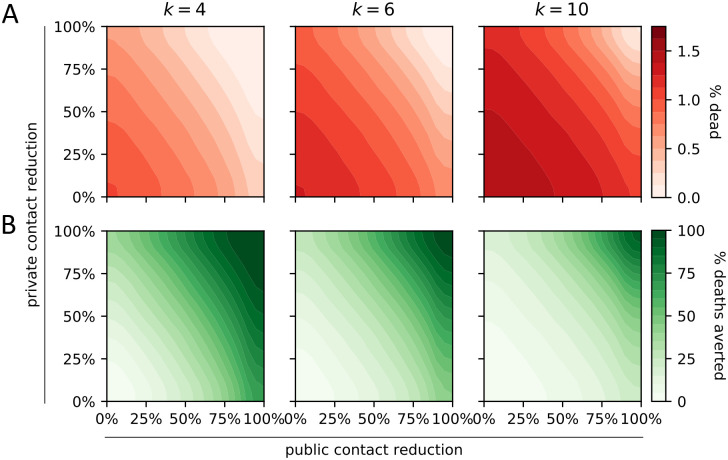
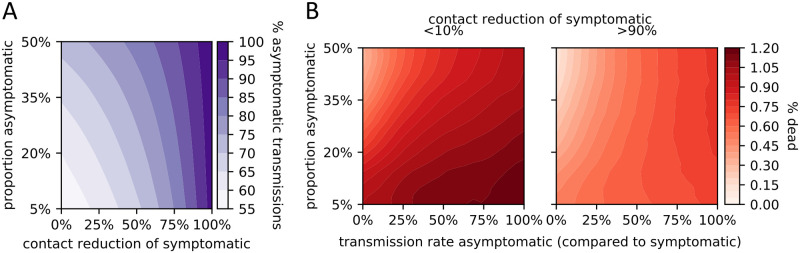
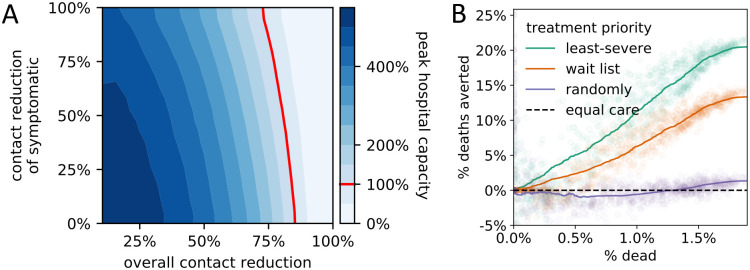
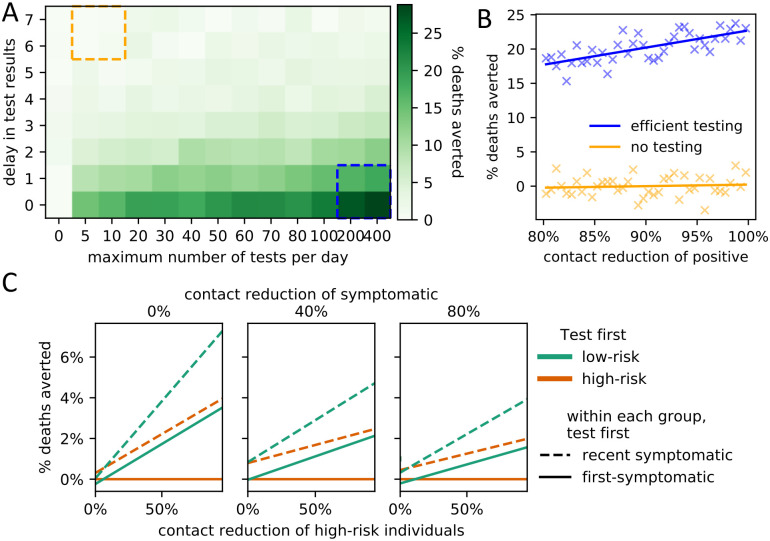
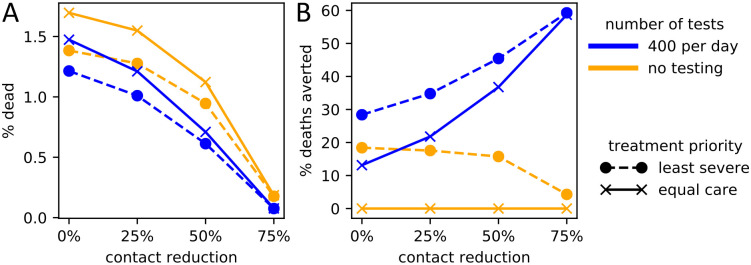
A stochastic compartmental network model of SARS-CoV-2 spread explores the simultaneous effects of policy choices in three domains: social distancing, hospital triaging, and testing. Considering policy domains together provides insight into how different policy decisions interact. The model incorporates important characteristics of COVID-19, the disease caused by SARS-CoV-2, such as heterogeneous risk factors and asymptomatic transmission, and enables a reliable qualitative comparison of policy choices despite the current uncertainty in key virus and disease parameters. Results suggest possible refinements to current policies, including emphasizing the need to reduce random encounters more than personal contacts, and testing low-risk symptomatic individuals before high-risk symptomatic individuals. The strength of social distancing of symptomatic individuals affects the degree to which asymptomatic cases drive the epidemic as well as the level of population-wide contact reduction needed to keep hospitals below capacity. The relative importance of testing and triaging also depends on the overall level of social distancing.
Conflict of interest statement
The authors have declared that no competing interests exist.
Figures
References
-
- Zucker HA. Ventilator Allocation Guidelines. New York State Department of Health; 2015.
-
- Ferguson N, Laydon D, Nedjati Gilani G, Imai N, Ainslie K, Baguelin M, et al. Report 9: Impact of non-pharmaceutical interventions (NPIs) to reduce COVID19 mortality and healthcare demand. Report 9. 2020; 10.25561/77482. - DOI
MeSH terms
LinkOut - more resources
Full Text Sources
Medical
Miscellaneous