


Impact of Weight Change in Adults with Type 2 Diabetes Mellitus: A Literature Review and Critical Analysis
- PMID: 33061488
- PMCID: PMC7535113
- DOI: 10.2147/CEOR.S266873
Impact of Weight Change in Adults with Type 2 Diabetes Mellitus: A Literature Review and Critical Analysis
Abstract
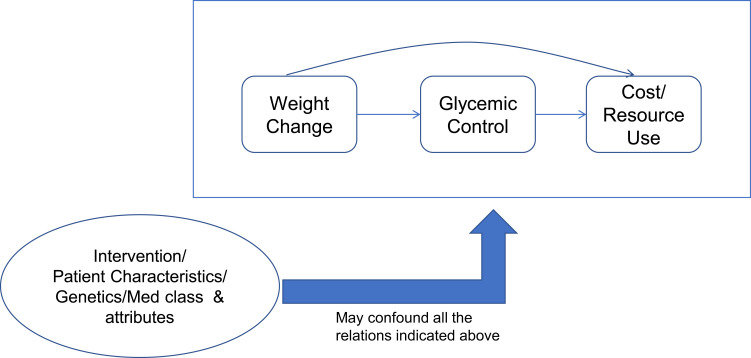
Objective: Weight reduction is a key component of diabetes management in adults with type 2 diabetes mellitus (T2DM), yet the benefits of weight loss in T2DM patients have been difficult to quantify. We examined the medical literature regarding the relationships between weight change and 1) glycemic control and 2) cost and resource use.
Methods: Systematic searches were conducted in the electronic databases Embase, MEDLINE, and the Cochrane Database of Systematic Reviews to identify publications regarding the impact of weight change on T2DM outcomes from 2007 onward. Identified publications were screened for relevance against predefined eligibility criteria, and methodological approaches and results were extracted. Evidence for the impact of weight change on outcomes was evaluated and used to identify strengths, limitations, and gaps in the current literature.
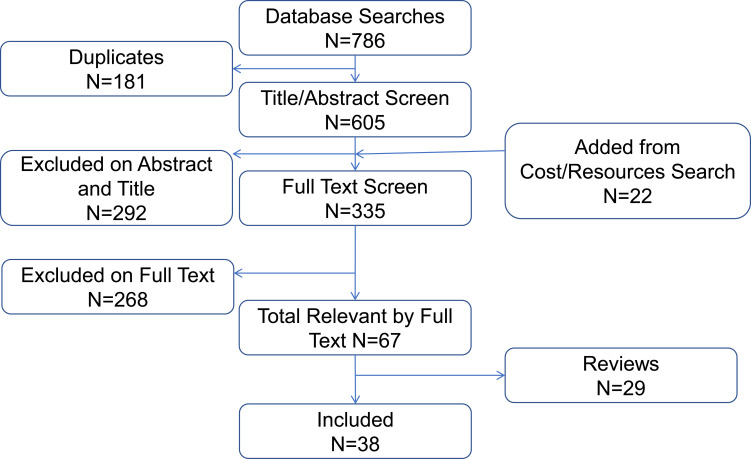
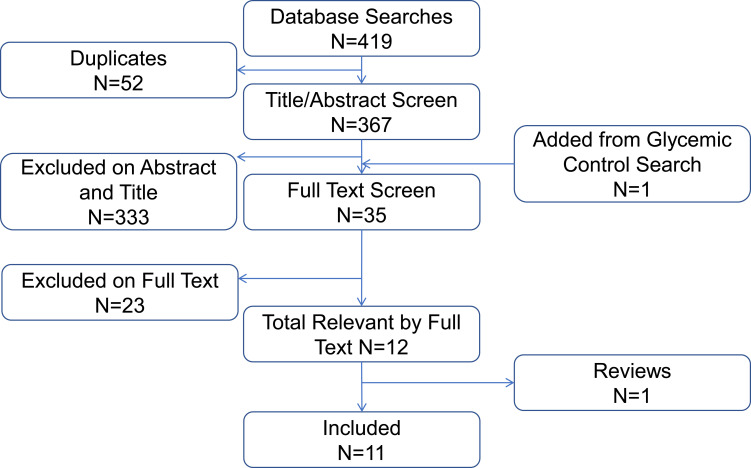
Results: The number of studies meeting eligibility criteria for each outcome was: glycemic control (n=38) and cost and resource use (n=11). The relationship between weight change and glycemic control was dependent on the interplay of multiple factors, eg, the weight loss interventions employed, the antidiabetic medication classes used, the time horizon, and baseline BMI and glycemic control. With respect to cost and resource use, the review indicated that savings were associated with weight loss, and increased costs were associated with weight gain.
Conclusion: Studies regarding weight change in T2DM patients demonstrated varying effects on glycemic control and a positive association with costs and resource use, where weight loss was associated with decreased costs and resource use. Future studies may be able to clarify these relationships.
Keywords: cost; economics; obesity/therapy; overweight/therapy; resource utilization; type 2 diabetes; weight loss.
© 2020 Fridman et al.
Conflict of interest statement
Dr. Fridman is an employee of AMF Consulting, USA, and was contracted by Novo Nordisk, Inc. Dr Fridman reports personal fees from NovoNordisk, during the conduct of the study; personal fees from GSK, Jazz Pharmaceuticals, Shire, CSL Behring, Arena Pharmaceuticals, and Sage Therapeutics, outside the submitted work. Ms. Lucas and Drs. Paprocki, Dang-Tan, and Iyer are employees of Novo Nordisk, Inc. Dr Paprocki is a stockholder of Novo Nordisk, Inc. Although employees of Novo Nordisk were involved in the design, collection, analysis, interpretation, and fact checking of information, the content of this manuscript, the interpretation of the data, and the decision to submit the manuscript for publication was made by the authors independently. The authors report no other conflicts of interest in this work.
Figures
References
-
- International Diabetes Federation (IDF). IDF Diabetes Atlas, 8th edition. 2017. Available at: http://www.diabetesatlas.org/. Accessed June8, 2020.
-
- Centers for Disease Control and Prevention. National Diabetes Statistics Report, 2017. Atlanta, GA: Centers for Disease Control and Prevention, U.S. Dept of Health and Human Services; 2017. Available at: https://www.cdc.gov/features/diabetes-statistic-report/index.html. Accessed June8, 2020.
Publication types
LinkOut - more resources
Full Text Sources
