Meta-Analysis
. 2020 Oct 14;25(20):4712.
doi: 10.3390/molecules25204712.

Antiangiogenic Activity of Flavonoids: A Systematic Review and Meta-Analysis

Affiliations
Meta-Analysis

Antiangiogenic Activity of Flavonoids: A Systematic Review and Meta-Analysis

Mai Khater et al. Molecules. .

Abstract

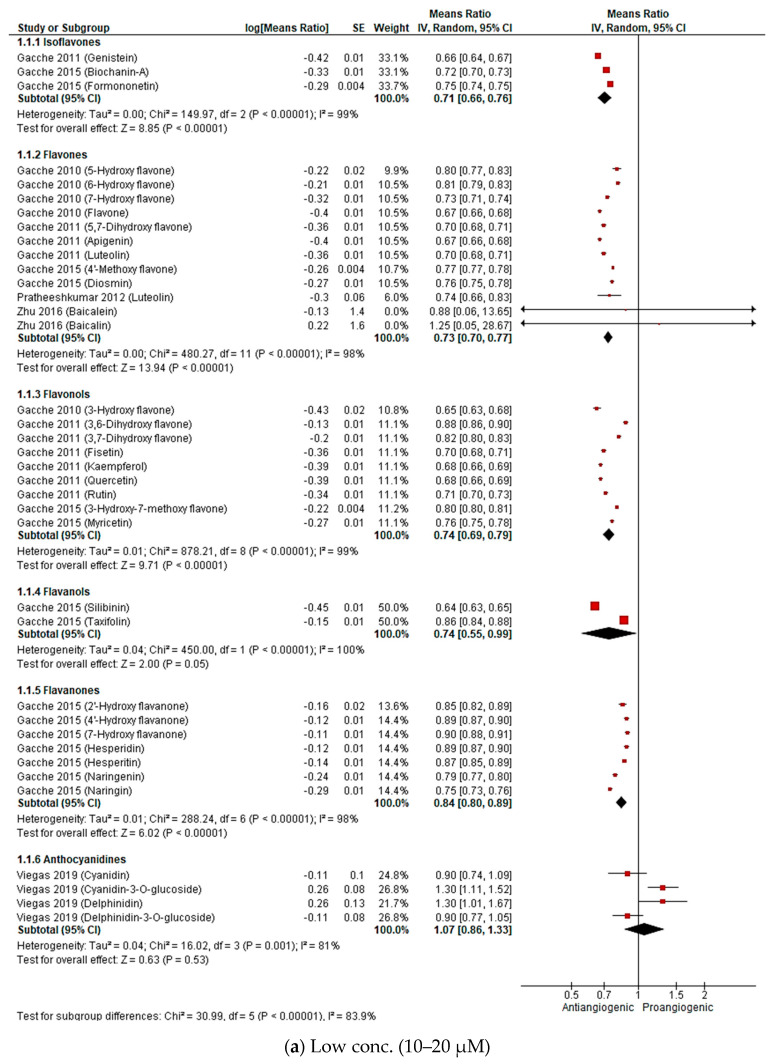
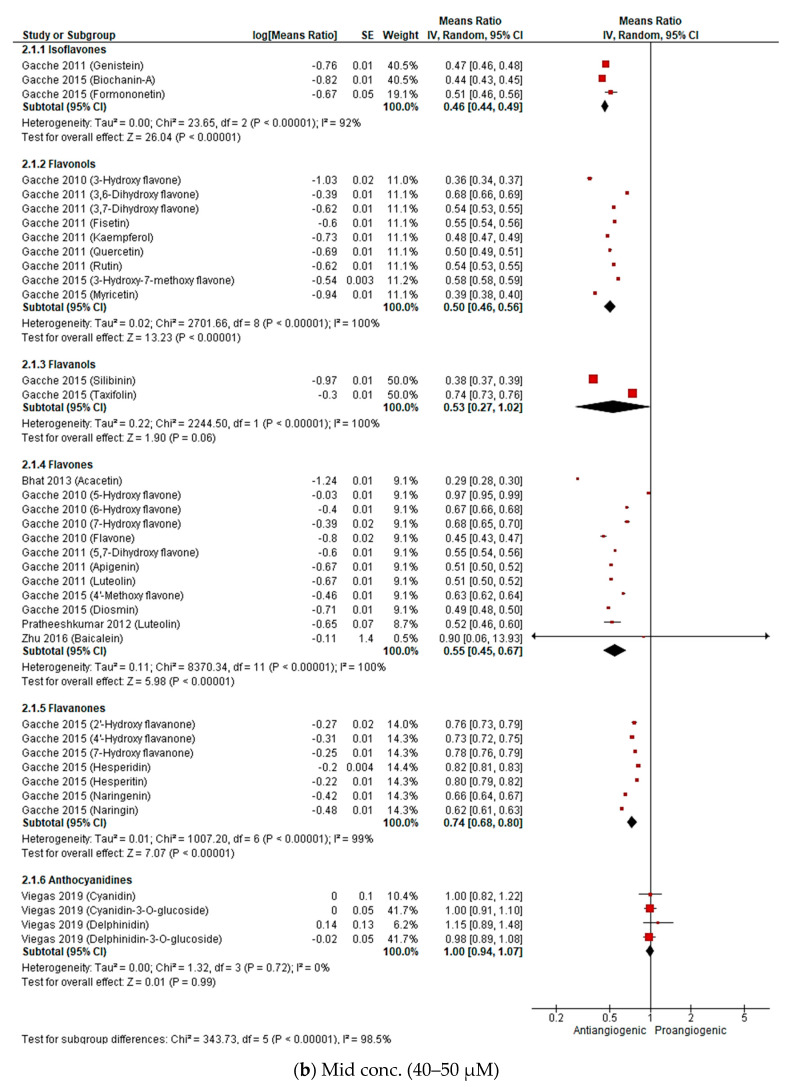
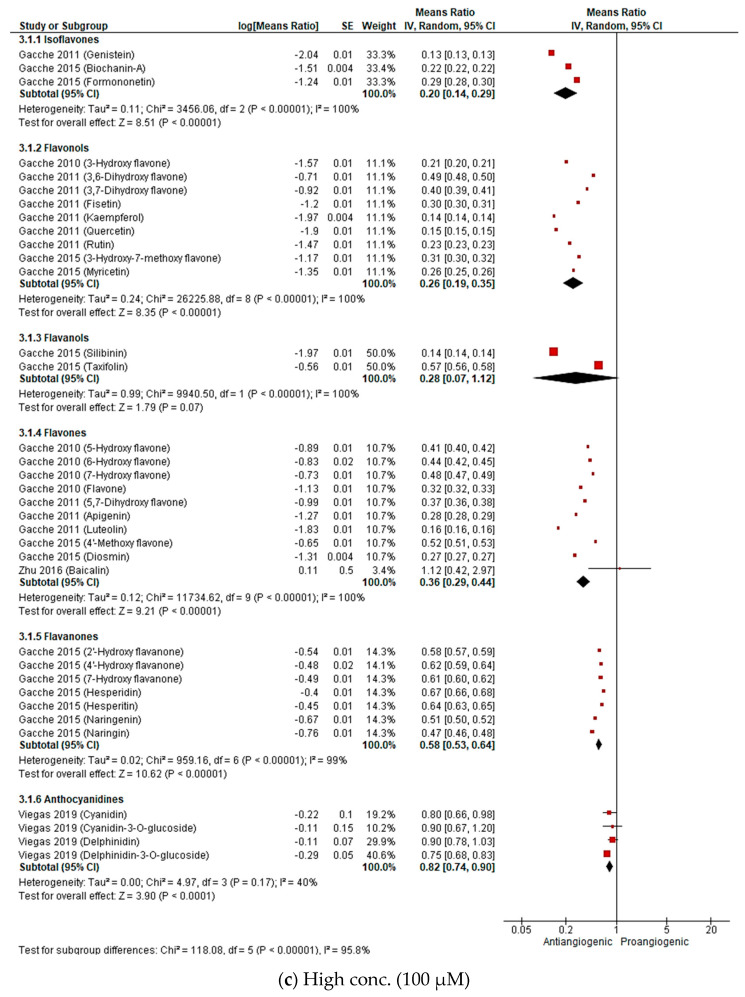
Abstract: An imbalance of angiogenesis contributes to many pathologies such as cancer, arthritis and retinopathy, hence molecules that can modulate angiogenesis are of considerable therapeutic importance. Despite many reports on the promising antiangiogenic properties of naturally occurring flavonoids, no flavonoids have progressed to the clinic for this application. This systematic review and meta-analysis therefore evaluates the antiangiogenic activities of a wide range of flavonoids and is presented in two sections. The first part of the study (Systematic overview) included 402 articles identified by searching articles published before May 2020 using ScienceDirect, PubMed and Web of Science databases. From this initial search, different classes of flavonoids with antiangiogenic activities, related pathologies and use of in vitro and/or in/ex vivo angiogenesis assays were identified. In the second part (Meta-analysis), 25 studies concerning the antiangiogenic evaluation of flavonoids using the in vivo chick chorioallantoic membrane (CAM) assay were included, following a targeted search on articles published prior to June 2020. Meta-analysis of 15 out of the 25 eligible studies showed concentration dependent antiangiogenic activity of six compared subclasses of flavonoids with isoflavones, flavonols and flavones being the most active (64 to 80% reduction of blood vessels at 100 µM). Furthermore, the key structural features required for the antiangiogenic activity of flavonoids were derived from the pooled data in a structure activity relationship (SAR) study. All in all, flavonoids are promising candidates for the development of antiangiogenic agents, however further investigations are needed to determine the key structural features responsible for their activity.

Keywords: CAM assay; SAR; angiogenesis; cancer; flavonoids; in-vivo angiogenesis; inflammation.


Conflict of interest statement

The authors declare no conflict of interest.

Figures
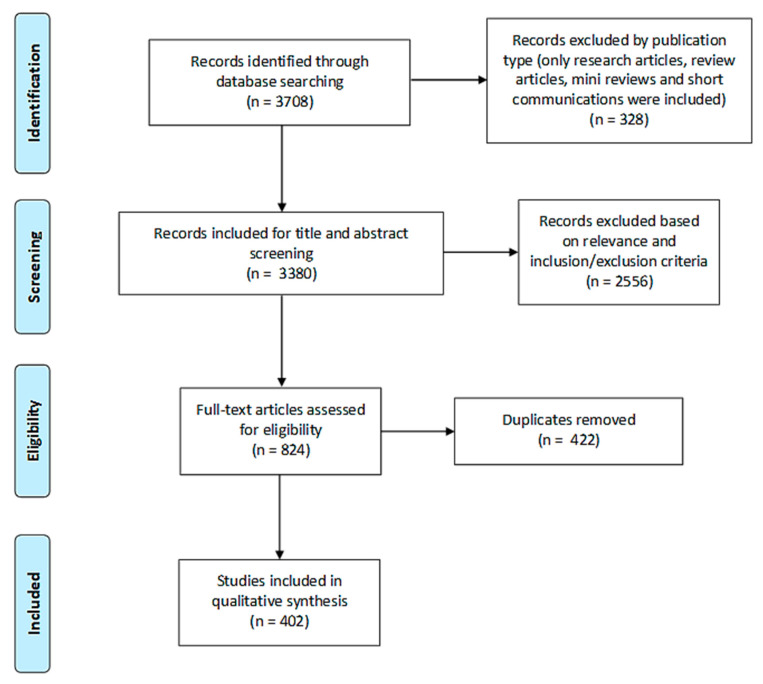
Figure 1
Figure 1
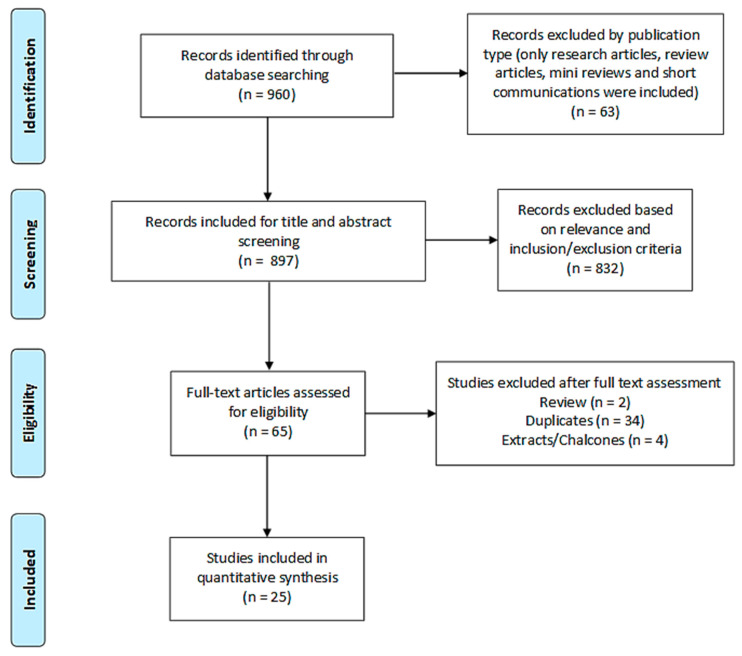
PRISMA flow diagram of study search and selection process of Section 1.
Figure 2
Figure 2
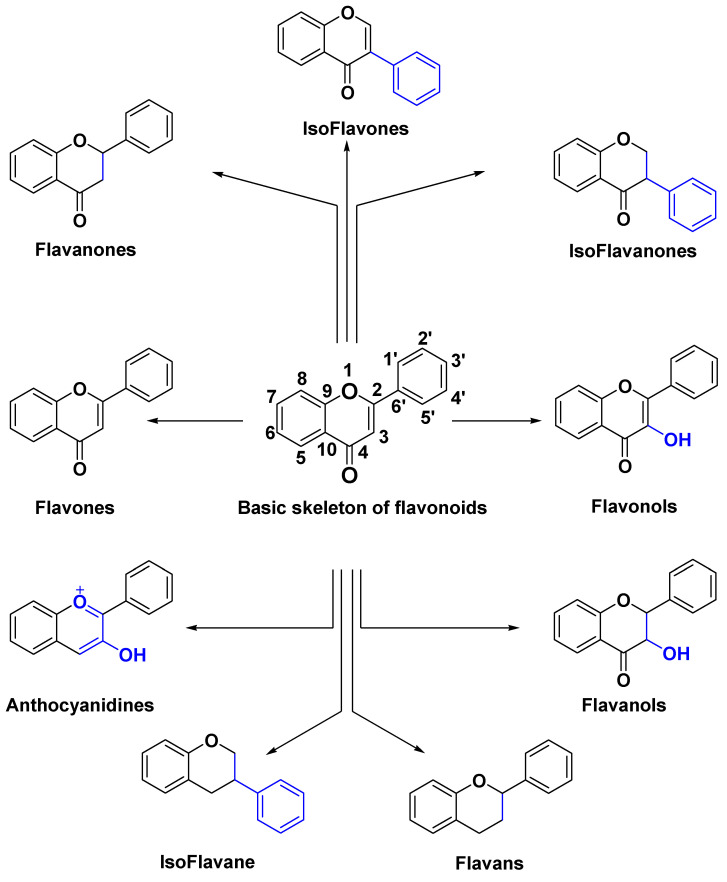
Chemical structures of classes of flavonoids.
Figure 3
Figure 3
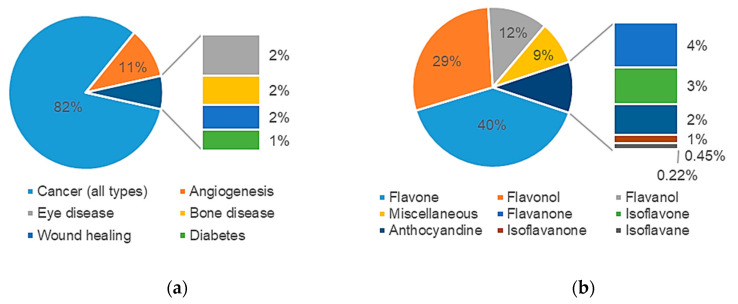
Profiling of papers retrieved in Section 1 with respect to: (a) pathology type; (b) chemical class of flavonoid.
Figure 4
Figure 4
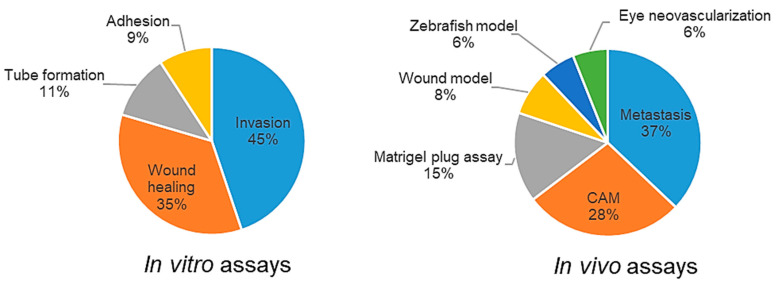
Types of assays used for in vitro and in vivo antiangiogenic evaluation of flavonoids.
Figure 5
Figure 5
PRISMA flow diagram of study search and selection process of Section 2.
Figure 6
Figure 6
Forest plots of means ratio and 95% confidence interval (CI) of number of blood vessels relative to control at 3 concentration ranges as calculated by inverse variance (IV) method: (a) low (10–20 µM); (b) medium (40–50 µM); (c) high (100 µM).
Figure 6
Figure 6
Forest plots of means ratio and 95% confidence interval (CI) of number of blood vessels relative to control at 3 concentration ranges as calculated by inverse variance (IV) method: (a) low (10–20 µM); (b) medium (40–50 µM); (c) high (100 µM).
Figure 6
Figure 6
Forest plots of means ratio and 95% confidence interval (CI) of number of blood vessels relative to control at 3 concentration ranges as calculated by inverse variance (IV) method: (a) low (10–20 µM); (b) medium (40–50 µM); (c) high (100 µM).
Figure 7
Figure 7
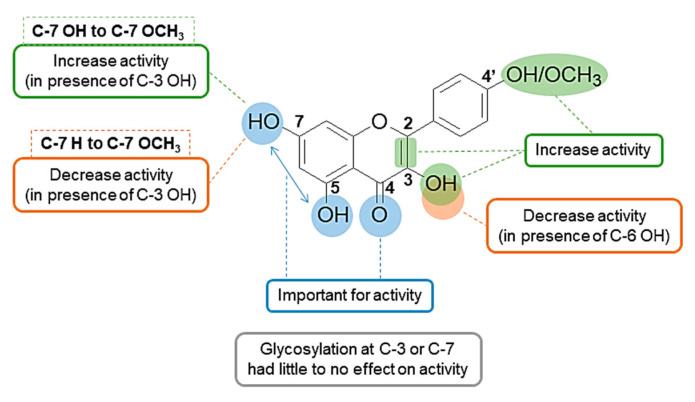
Summary of antiangiogenic SAR of flavonoids.
Figure 8
Figure 8
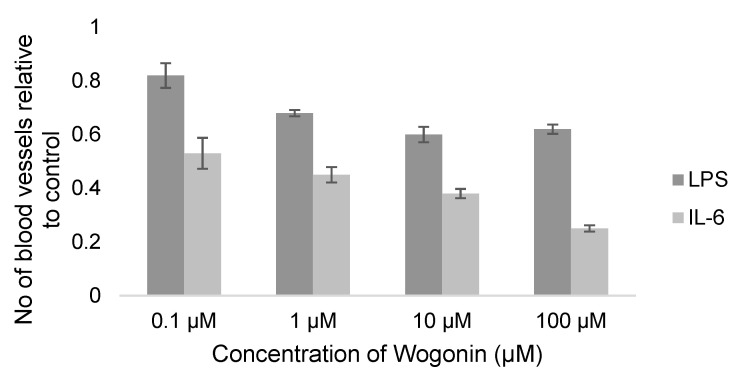
Reported antiangiogenic effect of wogonin on LPS and IL-6 induced angiogenesis ± SEM.
Figure 9
Figure 9
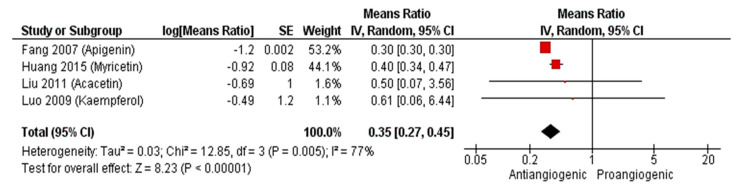
Forest plot of means ratio and 95% confidence interval (CI) of number of blood vessels relative to control of flavonoids on OVCAR-3 cell lines.
Figure 10
Figure 10
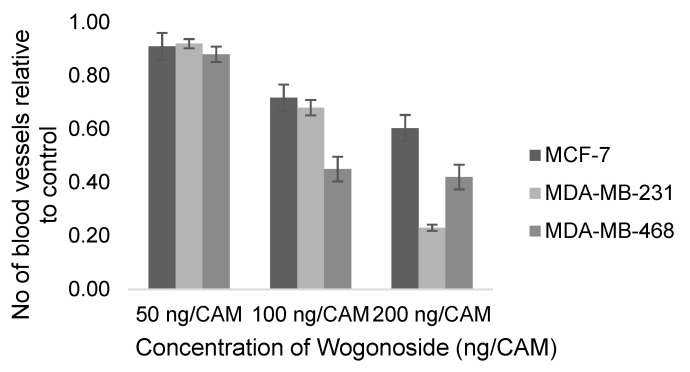
Reported antiangiogenic effect of wogonoside on breast cancer cell lines; MCF-7, MDA-MB-231 and MDA-MB-468 ± SEM.

References

    1. Carmeliet P., Jain R.K. Molecular Mechanisms and Clinical Applications of Angiogenesis. Nature. 2011;473:289–307. doi: 10.1038/nature10144. - DOI - PMC - PubMed
    1. Diniz C., Suliburska J., Ferreira I.M. New Insights into the Antiangiogenic and Proangiogenic Properties of Dietary Polyphenols. Mol. Nutr. Food Res. 2017;61:1600912. doi: 10.1002/mnfr.201600912. - DOI - PubMed
    1. Yancopoulos G.D., Davis S., Gale N.W., Rudge J.S., Wiegand S.J., Holash J. Vascular-Specific Growth Factors and Blood Vessel Formation. Nature. 2000;407:242–248. doi: 10.1038/35025215. - DOI - PubMed
    1. Shibuya M. VEGF-VEGFR System as a Target for Suppressing Inflammation and Other Diseases. Endocr. Metab. Immune Disord. Targets. 2015;15:135–144. doi: 10.2174/1871530315666150316121956. - DOI - PubMed
    1. Gacche R.N., Meshram R.J. Angiogenic Factors as Potential Drug Target: Efficacy and Limitations of Anti-Angiogenic Therapy. Biochim. Biophys. Acta Rev. Cancer. 2014;1846:161–179. doi: 10.1016/j.bbcan.2014.05.002. - DOI - PubMed

MeSH terms

Grants and funding

LinkOut - more resources