. 2020 Oct 16;10(1):350.
doi: 10.1038/s41398-020-01038-3.

Associations between disordered gut microbiota and changes of neurotransmitters and short-chain fatty acids in depressed mice

Affiliations

Associations between disordered gut microbiota and changes of neurotransmitters and short-chain fatty acids in depressed mice

Min Wu et al. Transl Psychiatry. .

Abstract

Mounting evidence suggests that gut microbiota can play an important role in pathophysiology of depression, but its specific molecular mechanisms are still unclear. This study was conducted to explore the associations between changes in neurotransmitters and short-chain fatty acids (SCFAs) and altered gut microbiota in depressed mice. Here, the chronic restraint stress (CRS) model of depression was built. The classical behavioral tests were conducted to assess the depressive-like behaviors of mice. The 16S rRNA gene sequence extracted from fecal samples was used to assess the gut microbial composition. Liquid and gas chromatography mass spectroscopy were used to identify neurotransmitters in hypothalamus and SCFAs in fecal samples, respectively. Finally, 29 differential bacteria taxa between depressed mice and control mice were identified, and the most differentially abundant bacteria taxa were genus Allobaculum and family Ruminococcaceae between the two groups. The acetic acid, propionic acid, pentanoic acid, norepinephrine, 5-HIAA and 5-HT were significantly decreased in depressed mice compared to control mice. Genus Allobaculum was found to be significantly positively correlated with acetic acid and 5-HT. Taken together, these results provided novel microbial and metabolic frameworks for understanding the role of microbiota-gut-brain axis in depression, and suggested new insights to pave the way for novel therapeutic methods.


Conflict of interest statement

The authors declare that they have no conflict of interest.

Figures
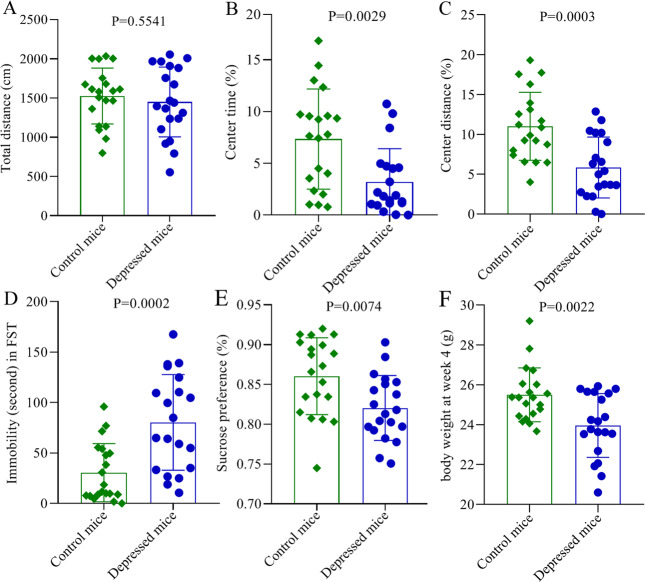
Fig. 1
Fig. 1. Chronic restraint stress-induced depressive-like and anxiety-like behaviors in mice.
A No significant difference was found in total distance between the two groups in OFT; (B, C) the depressed mice had significantly decreased center time (B) and center distance (C) in OFT; (D) the depressed mice had significantly increased immobility time in FST; (D) the sucrose preference was significantly decreased in depressed mice in SPT. Twenty mice were in each group, and the error bars represent standard deviation.
Fig. 2
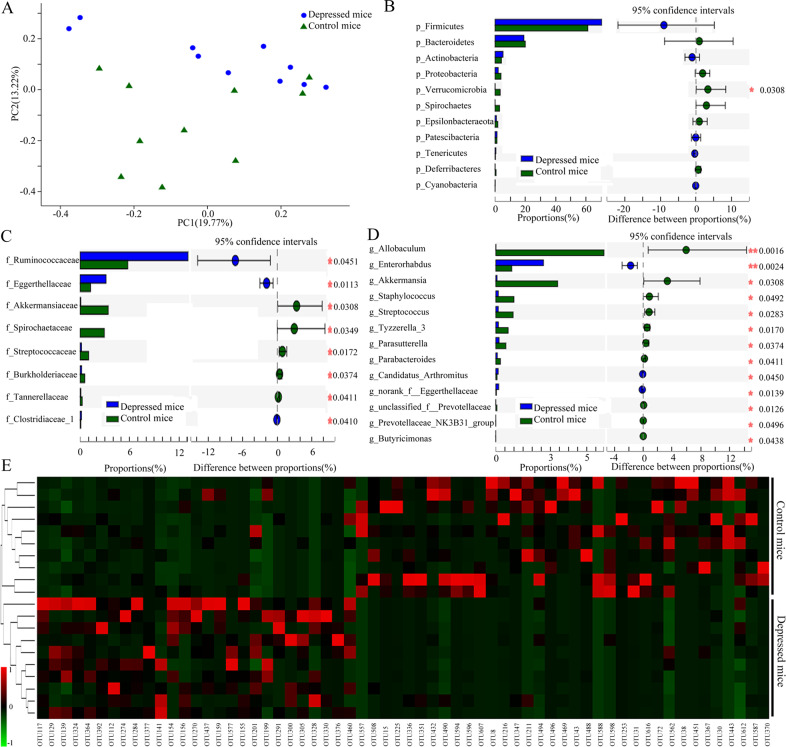
Fig. 2. Significant alterations in gut microbiota in depressed mice compared to control mice.
A PCoA showed an obvious difference in gut microbiotic composition between the two groups; (B) phyla Verrucomicrobia was significantly changed; (C) eight differential bacteria taxa on family level was identified; (D) 13 differential bacteria taxa on genus level were identified; (E) 62 OTUs key discriminatory OTUs whose relative abundance reliably distinguished control mice and depressed mice were identified. Ten mice were in each group.
Fig. 3
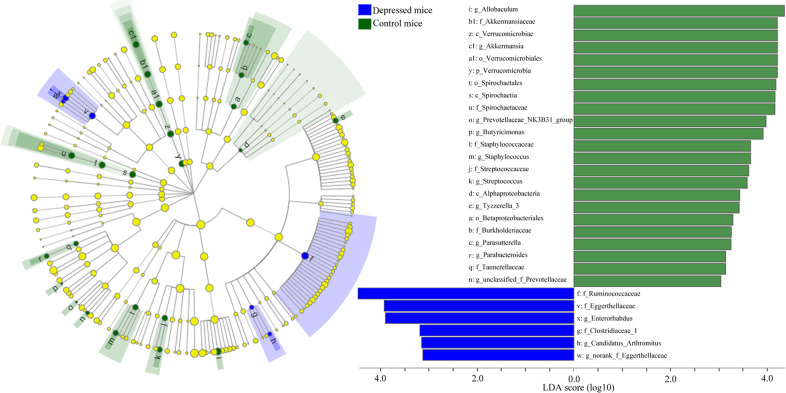
Fig. 3. Dominant bacteria taxa in different group were identified using LEfSe.
In total, 29 bacteria taxa with statistically significant and biologically consistent differences were found. The most differentially abundant bacteria taxa in control mice and depressed mice belonged to genus Allobaculum and family Ruminococcaceae, respectively. Ten mice were in each group.
Fig. 4
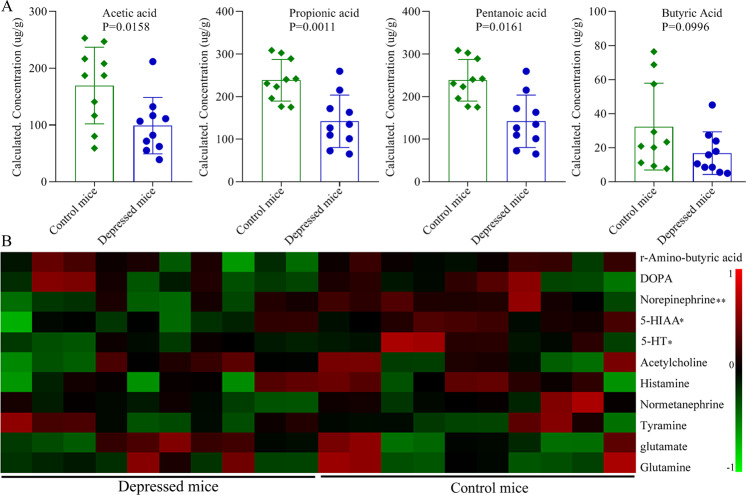
Fig. 4. Differential SCFAs and neurotransmitters identification.
A four kinds of SCFAs were detected, and acetic acid, propionic acid and pentanoic acid were found to be significantly decreased in depressed mice; (B) 11 kinds of neurotransmitters were detected, and norepinephrine, 5-HIAA and 5-HT were found to be significantly decreased in depressed mice. Ten mice were in each group, the error bars represent standard deviation, and two asterisks represents p-value < 0.01 and one asterisk represents p-value < 0.05.
Fig. 5
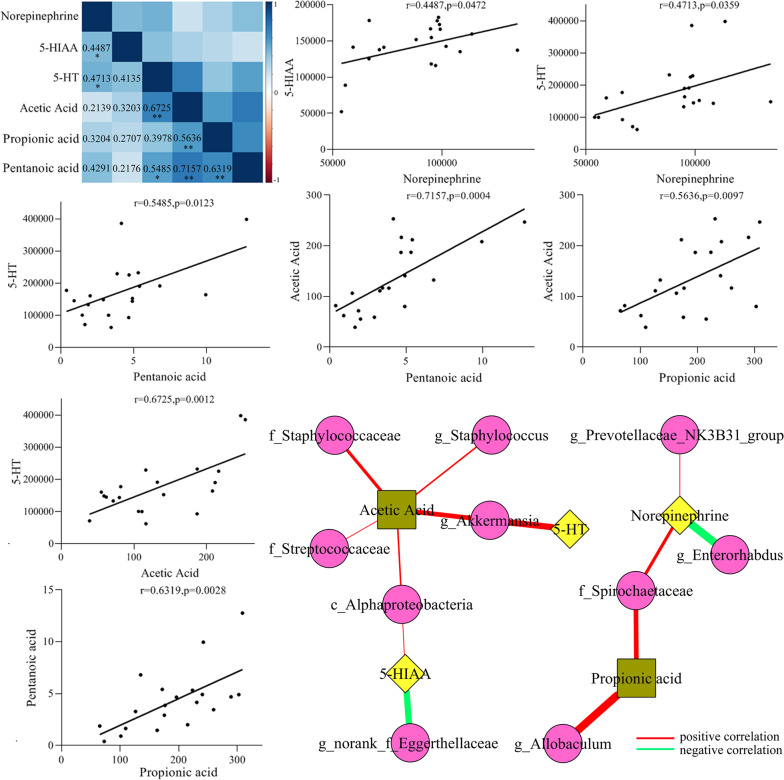
Fig. 5. Correlations between the differential SCFAs, neurotransmitters and bacteria taxa.
The top left corner was the heatmap of correlations between differential SCFAs and neurotransmitters. The bottom right corner was the network map of correlations between the differential SCFAs, neurotransmitters and bacteria taxa. The scatter plots were used to intuitively display the relationships between differential SCFAs and neurotransmitters.

References

    1. Bromet E, et al. Cross-national epidemiology of DSM-IV major depressive episode. BMC Med. 2011;9:90. doi: 10.1186/1741-7015-9-90. - DOI - PMC - PubMed
    1. Flint J, Kendler KS. The genetics of major depression. Neuron. 2014;81:484–503. doi: 10.1016/j.neuron.2014.01.027. - DOI - PMC - PubMed
    1. Li M, D’Arcy C, Meng X. Maltreatment in childhood substantially increases the risk of adult depression and anxiety in prospective cohort studies: systematic review, meta-analysis, and proportional attributable fractions. Psychol. Med. 2016;46:717–730. doi: 10.1017/S0033291715002743. - DOI - PubMed
    1. Luscher B, Shen Q, Sahir N. The GABAergic deficit hypothesis of major depressive disorder. Mol. Psychiatry. 2011;16:383–406. doi: 10.1038/mp.2010.120. - DOI - PMC - PubMed
    1. Dantzer R, O’Connor JC, Freund GG, Johnson RW, Kelley KW. From inflammation to sickness and depression: when the immune system subjugates the brain. Nat. Rev. Neurosci. 2008;9:46–56. doi: 10.1038/nrn2297. - DOI - PMC - PubMed

Publication types