


Laboratory biosafety measures involving SARS-CoV-2 and the classification as a Risk Group 3 biological agent
- PMID: 33070960
- PMCID: PMC7524674
- DOI: 10.1016/j.pathol.2020.09.006
Laboratory biosafety measures involving SARS-CoV-2 and the classification as a Risk Group 3 biological agent
Abstract
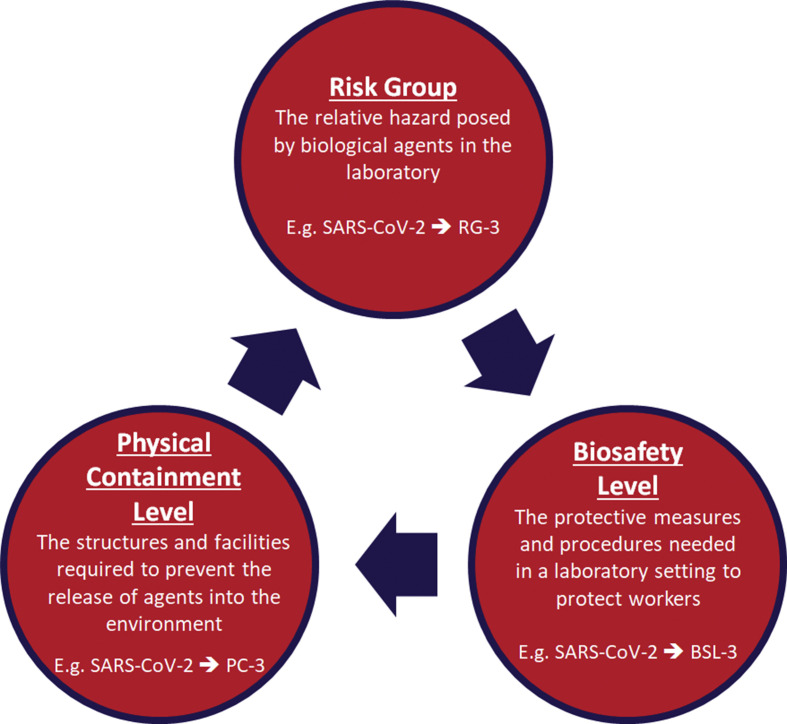
The current public health emergency surrounding the COVID-19 pandemic, that is the illness caused by severe acute respiratory syndrome coronavirus 2 (SARS-CoV-2), has resulted in thousands of cases in Australia since 25 January 2020 when the first case was diagnosed. This emerging virus presents particular hazards to researchers and laboratory staff in a clinical setting, highlighted by rapid and widespread global transmission. Based on the epidemiological and clinical data that have become available in mid-2020, we propose the interim classification of SARS-CoV-2 as a Risk Group 3 organism is reasonable, and discuss establishing Biosafety Level 3 (BSL-3) regulations accordingly. Despite its global spread, the reported mortality rate of SARS-CoV-2 ranging from 0.13% to 6.22% is considerably less than that of other Risk Group 4 agents including Ebola and Marburg viruses with fatality rates as high as 90%. In addition, studies have demonstrated that approximately 86% of patients presenting with severe courses of the disease are aged 70 years or above, with the presence of comorbid conditions such as cardiovascular and respiratory system diseases in the majority of all fatal cases. In contrary to recent discussions surrounding the protective and administrative measures needed in a laboratory, the emerging evidence surrounding mortality rate, distinct demographics of severe infections, and the presence of underlying diseases does not justify the categorisation of SARS-CoV-2 as a Risk Group 4 organism. This article summarises biosafety precautions, control measures and appropriate physical containment facilities required to minimise the risk of laboratory-acquired infections with SARS-CoV-2.
Keywords: COVID-19; SARS-CoV; SARS-CoV-2; biosafety level; physical containment; risk group.
Copyright © 2020 Royal College of Pathologists of Australasia. Published by Elsevier B.V. All rights reserved.
Figures
References
-
- Lippi G., Adeli K., Ferrari M., et al. Biosafety measures for preventing infection from COVID-19 in clinical laboratories: IFCC Taskforce Recommendations. Clin Chem Lab Med. 2020;58:1053–1062. - PubMed
-
- Payne S. In: Viruses. Payne S., editor. Academic Press; Cambridge: 2017. Family Coronaviridae; pp. 149–158.
MeSH terms
LinkOut - more resources
Full Text Sources
Medical
Miscellaneous
