Diffuse gastric cancer: histologic, molecular, and genetic basis of disease
- PMID: 33073047
- PMCID: PMC7530323
- DOI: 10.21037/tgh.2020.01.02
Diffuse gastric cancer: histologic, molecular, and genetic basis of disease
Abstract
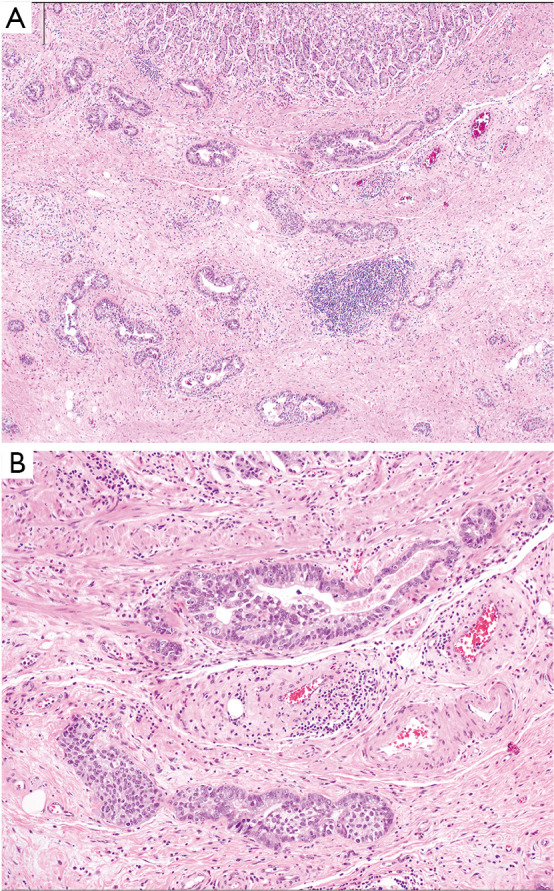
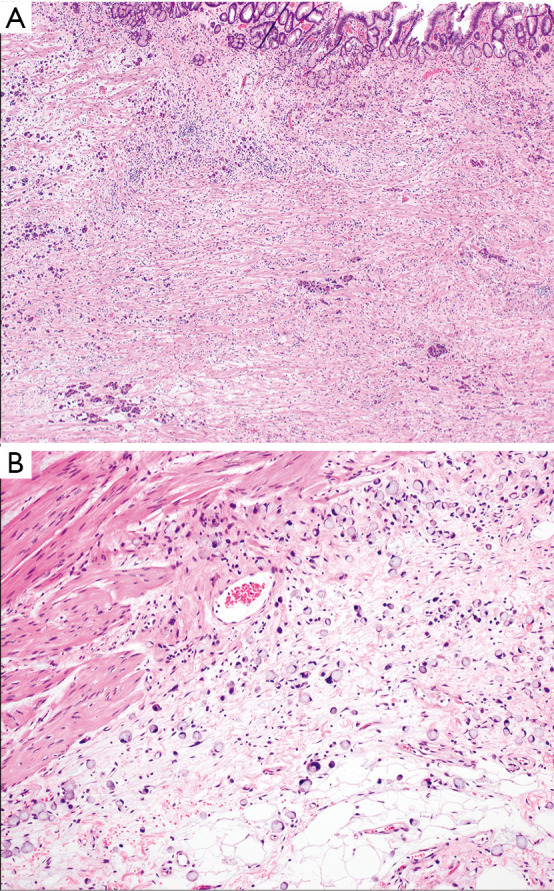
Diffuse gastric cancer (DGC) is a distinct histopathologic and molecular disease, characterized by mutations in CDH1, RHOA, and others. In addition, DGC is associated with familial syndromes, including hereditary DGC and germline mutation in CDH1. Clinically, this subtype of gastric adenocarcinoma is associated with a poor prognosis and possible resistance to available systemic therapies. An understanding of the genetic and molecular underpinnings of DGC may help inform of its clinical behavior and aid in screening, diagnosis, and response to treatment. In this review, we will review the current histologic, molecular, and genetic landscape of DGC and its relevance to clinical practice.
Keywords: Diffuse; cancer; gastric.
2020 Translational Gastroenterology and Hepatology. All rights reserved.
Conflict of interest statement
Conflicts of Interest: Dr. Crystal Denlinger has received advisory board honoraria from Astellas, Exelixis, Bayer, Merck, Bristol Myer Squibb, Eli Lilly & Co, EMD Serono, and BeiGene. Dr. Denlinger has received institutional grant support from Array BioPharma, Amgen, Advaxis, Bristol Myer Squibb, Astra Zeneca, Sanofi, BeiGene, Merrimack Pharmaceuticals, Roche/Genentech, Macrogenics, Lycera, Zymeworks, and Agios Pharmaceuticals. Dr. Jeffrey Farma is on the data safety monitoring board for Delcath. The other authors have no conflicts of interest to declare.
Figures
References
Publication types
Grants and funding
LinkOut - more resources
Full Text Sources
Miscellaneous