


Future Directions in Understanding and Addressing Mental Health among LGBTQ Youth
- PMID: 33074740
- PMCID: PMC7736182
- DOI: 10.1080/15374416.2020.1815207
Future Directions in Understanding and Addressing Mental Health among LGBTQ Youth
Abstract
Today's LGBTQ youth come of age at a time of dynamic social and political change with regard to LGBTQ rights and visibility, yet remain vulnerable to compromised mental health. Despite advances in individual-level treatment strategies, school-based programs, and state-level policies that address LGBTQ mental health, there remains a critical gap in large-scale evidence-based prevention and intervention programs designed to support the positive development and mental health of LGBTQ youth. To spur advances in research and translation, I pose six considerations for future scholarship and practice. I begin by framing LGBTQ (mental) health disparities in a life course perspective and discuss how research focused on the timing of events could offer insight into the optimum targets and timing of prevention and intervention strategies. Next, I argue the importance of expanding notions of "mental health" to include perspectives of wellbeing, positive youth development, and resilience. I then consider how research might attend to the complexity of LGBTQ youths' lived experience within and across the various contexts they traverse in their day-to-day lives. Similarly, I discuss the importance of exploring heterogeneity in LGBTQ youth experiences and mental health. I also offer suggestions for how community partnerships may be a key resource for developing and evaluating evidence-informed programs and tools designed to foster the positive development and mental health of LGBTQ youth. Finally, I acknowledge the potentials of team science for advancing research and practice for LGBTQ youth health and wellbeing. Throughout, these future directions center the urgent needs of LGBTQ youth.
Figures
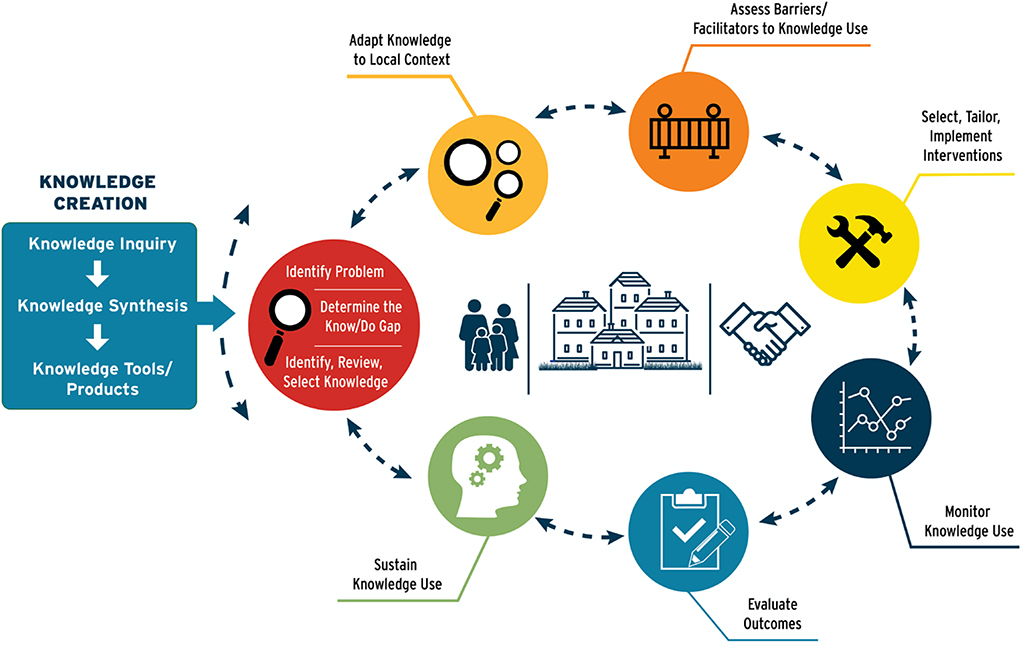
References
-
- Allen SH (2020). Redoing gender, redoing family: A mixed-methods examination of family complexity and gender heterogeneity among transgender families (Publication #27834394). [Doctoral Dissertation, University of Maryland]. ProQuest Dissertations Publishing.
-
- Anhalt K, Toomey RB, & Shramko M (2020). Latinx sexual minority youth adjustment in the context of discrimination and internalized homonegativity: The moderating role of cultural orientation processes. Journal of Latinx Psychology, 8(1), 41–57. 10.1037/lat0000134 - DOI
-
- Austin A, Craig SL, & D’Souza SA (2018). An AFFIRMative cognitive behavioral intervention for transgender youth: Preliminary effectiveness. Professional Psychology: Research and Practice, 49(1), 1–8. 10.1037/pro0000154 - DOI
Publication types
MeSH terms
Grants and funding
LinkOut - more resources
Full Text Sources
Medical
Miscellaneous
