


Quantitative phosphoproteomic analysis reveals involvement of PD-1 in multiple T cell functions
- PMID: 33077516
- PMCID: PMC7939457
- DOI: 10.1074/jbc.RA120.014745
Quantitative phosphoproteomic analysis reveals involvement of PD-1 in multiple T cell functions
Abstract
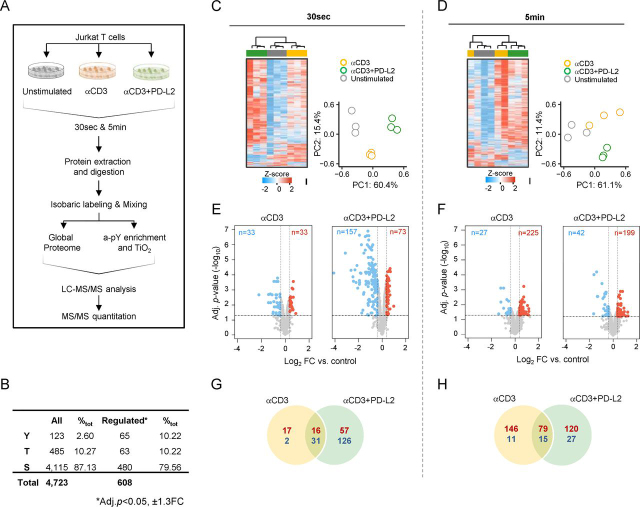
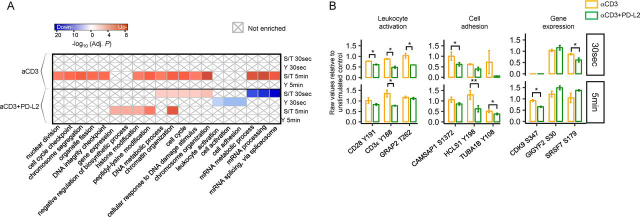
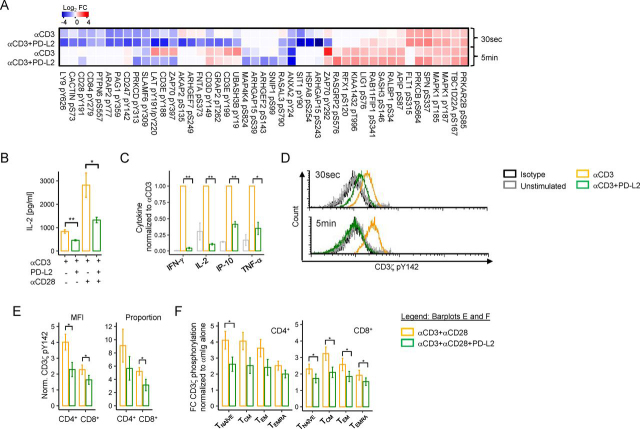
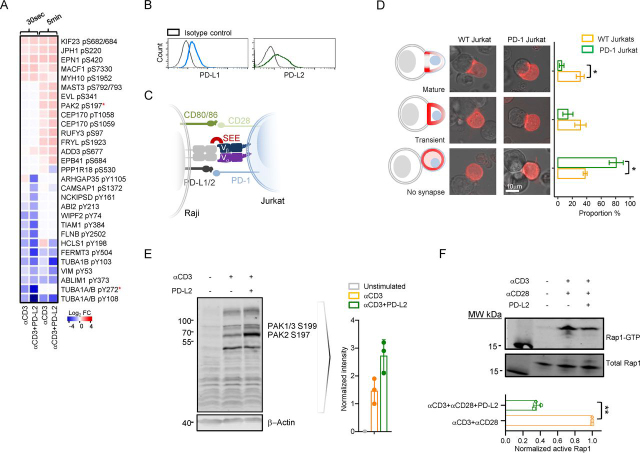
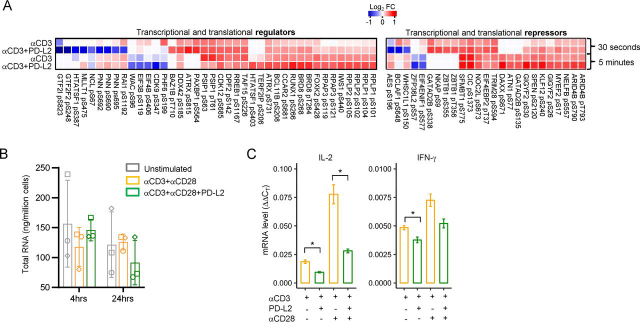
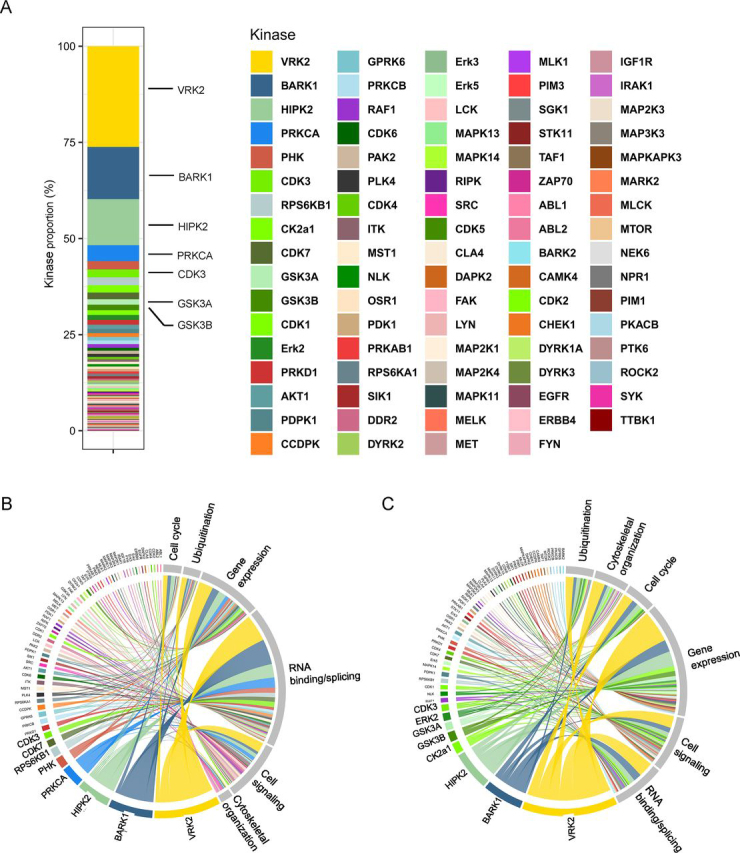
Programmed cell death protein 1 (PD-1) is a critical inhibitory receptor that limits excessive T cell responses. Cancer cells have evolved to evade these immunoregulatory mechanisms by upregulating PD-1 ligands and preventing T cell-mediated anti-tumor responses. Consequently, therapeutic blockade of PD-1 enhances T cell-mediated anti-tumor immunity, but many patients do not respond and a significant proportion develop inflammatory toxicities. To improve anti-cancer therapy, it is critical to reveal the mechanisms by which PD-1 regulates T cell responses. We performed global quantitative phosphoproteomic interrogation of PD-1 signaling in T cells. By complementing our analysis with functional validation assays, we show that PD-1 targets tyrosine phosphosites that mediate proximal T cell receptor signaling, cytoskeletal organization, and immune synapse formation. PD-1 ligation also led to differential phosphorylation of serine and threonine sites within proteins regulating T cell activation, gene expression, and protein translation. In silico predictions revealed that kinase/substrate relationships engaged downstream of PD-1 ligation. These insights uncover the phosphoproteomic landscape of PD-1-triggered pathways and reveal novel PD-1 substrates that modulate diverse T cell functions and may serve as future therapeutic targets. These data are a useful resource in the design of future PD-1-targeting therapeutic approaches.
Keywords: T cell; T cell receptor (TCR); cell signaling; immunology; immunotherapy; inhibition mechanism; kinase-substrate relationships; mass spectrometry; phosphoproteomics; programmed cell death ligand 2 (PD-L2); programmed cell death protein 1 (PD-1); signaling networks.
© 2020 Tocheva et al.
Conflict of interest statement
Conflict of interest—A. M. received research support from NTB Pharma. The authors declare that they have no conflicts of interest with the contents of this article.
Figures
References
Publication types
MeSH terms
Substances
Grants and funding
LinkOut - more resources
Full Text Sources
Other Literature Sources
Research Materials
