


Prevalence and determinants of uterine rupture in Ethiopia: a systematic review and meta-analysis
- PMID: 33077758
- PMCID: PMC7572500
- DOI: 10.1038/s41598-020-74477-z
Prevalence and determinants of uterine rupture in Ethiopia: a systematic review and meta-analysis
Abstract
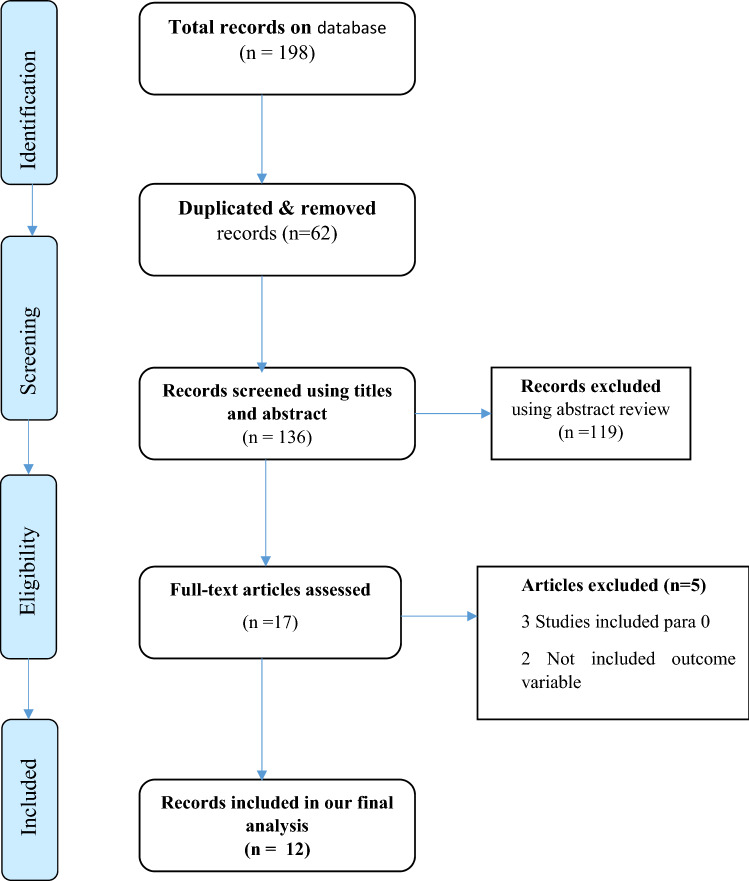
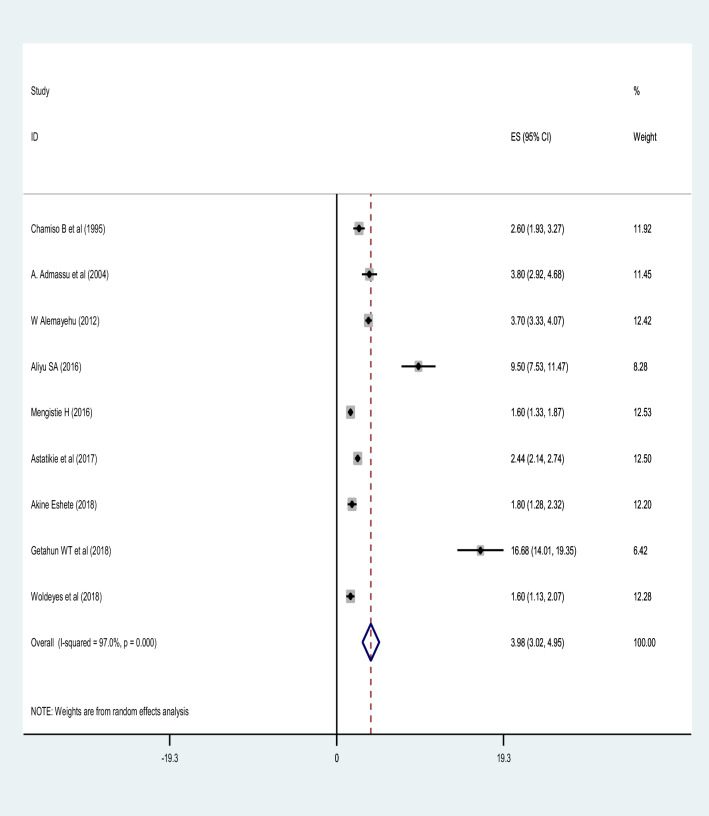
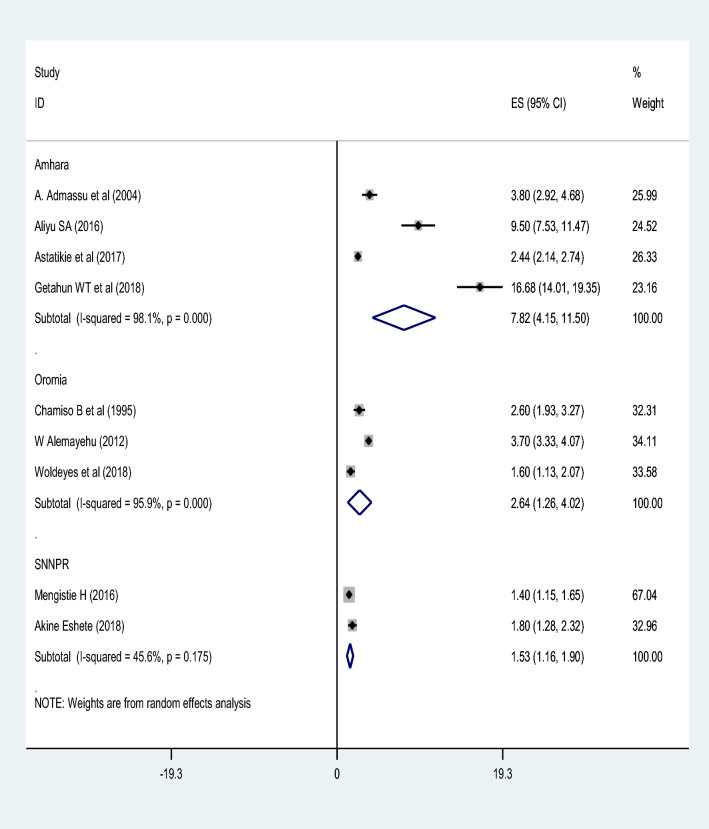
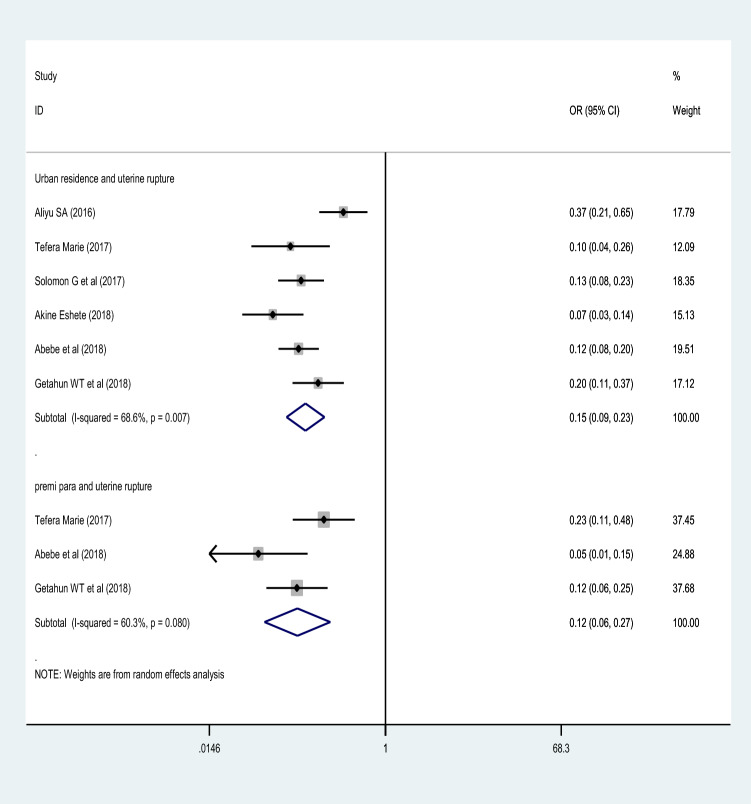
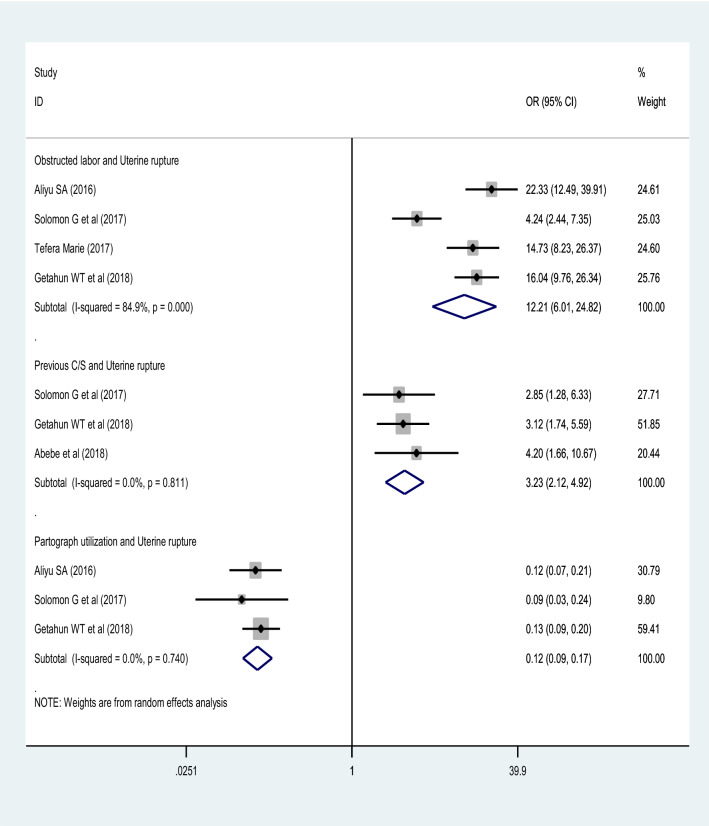
Uterine rupture is a serious public health concern that causes high maternal and perinatal morbidity and mortality in the developing world. Few of the studies conducted in Ethiopia show a high discrepancy in the prevalence of uterine rupture, which ranges between 1.6 and 16.7%. There also lacks a national study on this issue in Ethiopia. This systematic and meta-analysis, therefore, was conducted to assess the prevalence and determinants of uterine rupture in Ethiopia. We followed the Preferred Reporting Items for Systematic Reviews and Meta-Analyses (PRISMA) guidelines for systematic review and meta-analysis of studies. All observational published studies were retrieved using relevant search terms in Google scholar, African Journals Online, CINHAL, HINARI, Science Direct, Cochrane Library, EMBASE and PubMed (Medline) databases. Newcastle-Ottawa assessment checklist for observational studies was used for critical appraisal of the included articles. The meta-analysis was done with STATA version 14 software. The I2 test statistics were used to assess heterogeneity among included studies, and publication bias was assessed using Begg's and Egger's tests. Odds ratio (OR) with a 95% confidence interval (CI) was presented using forest plots. A total of twelve studies were included in this study. The pooled prevalence of uterine rupture was 3.98% (95% CI 3.02, 4.95). The highest (7.82%) and lowest (1.53%) prevalence were identified in Amhara and Southern Nations, Nationality and Peoples Region (SNNPR), respectively. Determinants of uterine rupture were urban residence (OR = 0.15 (95% CI 0.09, 0.23)), primipara (OR = 0.12 (95% CI 0.06, 0.27)), previous cesarean section (OR = 3.23 (95% CI 2.12, 4.92)), obstructed labor(OR = 12.21 (95% CI 6.01, 24.82)), and partograph utilization (OR = 0.12 (95% CI 0.09, 0.17)). Almost one in twenty-five mothers had uterine rupture in Ethiopia. Urban residence, primiparity, previous cesarean section, obstructed labor and partograph utilization were significantly associated with uterine rupture. Therefore, intervention programs should address the identified factors to reduce the prevalence of uterine rupture.
Conflict of interest statement
The authors declare no competing interests.
Figures
References
-
- Aliyu SA, Yizengaw TK, Lemma TB. Prevalence and associated factors of uterine rupture during labor among women who delivered in Debre Markos hospital north West Ethiopia. Intern. Med. 2016;6:1000222.
-
- Metz, T.D., Berghella, V. & Barss, V.A. Trial of labor after cesarean delivery: Intrapartum management. U UpToDate, Post TW ur. UpToDate. Waltham, MA UpToDate (2019).
Publication types
MeSH terms
LinkOut - more resources
Full Text Sources
Medical
