


Body temperature instability and respiratory morbidity in the very low birth weight infant: a multiple case, intensive longitudinal study
- PMID: 33081746
- PMCID: PMC7574536
- DOI: 10.1186/s12887-020-02351-y
Body temperature instability and respiratory morbidity in the very low birth weight infant: a multiple case, intensive longitudinal study
Abstract
Background: Very low birth weight (VLBW) infant thermal instability upon neonatal intensive care unit admission has been associated with respiratory morbidity; however, the association between ongoing thermal instability and respiratory morbidity remains unclear.
Methods: A longitudinal data analysis was conducted on 12 VLBW infants. Chronic respiratory morbidity risk was defined as supplemental oxygen requirement (FiO2) or scheduled diuretic dosing at 36 weeks post-menstrual age. Acute respiratory morbidity was quantified as desaturations (SpO2<90%), bradycardia with desaturations (HR<100 and SpO2<90%), apnea, increase in FiO2 requirement, or increase in respiratory support. Multi-level, mixed-effects models and regression analysis examined the relationships between body temperature over the first 14 days of life and respiratory morbidities.
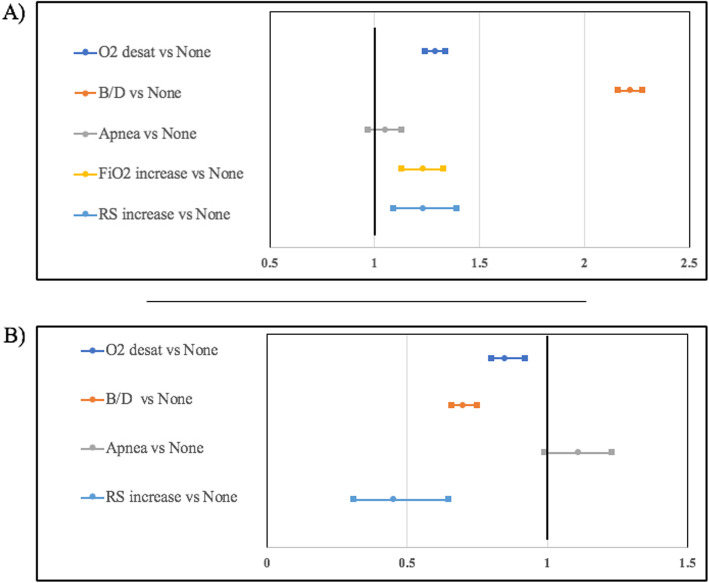
Results: Body temperature was not associated with chronic respiratory morbidity risk (p=0.2765). Desaturations, bradycardia with desaturations, increased FiO2 requirement, and increased respiratory support were associated with decreased body temperature (p<0.05). Apnea was associated with increased body temperature (p<0.05). The covariate-adjusted risk of desaturations (aOR=1.3), bradycardia with desaturations (aOR=2.2), increase in FiO2 requirement (aOR=1.2), and increase in respiratory support (aOR=1.2) were significantly greater during episodes of hypothermia.
Conclusion: VLBW infants are dependent on a neutral thermal environment for optimal growth and development. Therefore, the significant associations between hypothermia and symptoms of acute respiratory morbidity require further study to delineate if these are causal relationships that could be attenuated with clinical practice changes, or if these are concurrent symptoms that cluster during episodes of physiological instability.
Keywords: Bradycardia with desaturations; Bronchopulmonary dysplasia; Chronic lung disease; Desaturations; Premature infant; Respiratory morbidity; Respiratory support; Very low birth weight infant.
Conflict of interest statement
The authors declare that they have no competing interests.
Figures
References
-
- Martin JA, Hamilton BE, Osterman MJ, Driscoll AK, Births: Final Data for 2018. In: Center for Disease Control. 2019. https://www.cdc.gov/nchs/data/nvsr/nvsr68/nvsr68_13- 508.pdf. Accessed 20 June 2020.
-
- Stoll BJ, Hansen NI, Bell EF, Walsh MC, Carlo WA, Shankaran S, Laptook AR, Sanchez PJ, Van Meurs KP, Wyckoff M, Das A, Hale EC, Ball MB, Newman NS, Schibler K, Poindexter BB, Kennedy KA, Cotten CM, Watterberg KL, D’Angio, Higgins RD. Trends in Care Practices, Morbidity, and Mortality of Extremely Preterm Neonates, 1993–2012. JAMA. 2015;314(10):1039–51. doi: 10.1001/jama.2015.10244. - DOI - PMC - PubMed
Publication types
MeSH terms
Grants and funding
LinkOut - more resources
Full Text Sources
