


COVID 19: The New Normal in the Clinic: Overcoming Challenges in Palliative Care
- PMID: 33088094
- PMCID: PMC7534979
- DOI: 10.4103/IJPC.IJPC_173_20
COVID 19: The New Normal in the Clinic: Overcoming Challenges in Palliative Care
Abstract
Background and aim: In the wave of COVID-19 pandemic, the whole world has come to a standstill. This led to a major setback for cancer patients jeopardizing their treatment plans. This study analyzes the coping mechanisms of running outpatient and inpatient palliative care services in these COVID-19 times - the New Normal.
Materials and methods: An observational study was conducted in the pain and palliative care unit at a tertiary care hospital, India. The data were collected from March 23, 2020, to May 22, 2020, of all patients coming to the clinic and inpatient referrals. Using manual and electronic records, demographic data was collected along with clinical data. Additional data were compiled with special attention to the patient's pain and its management.
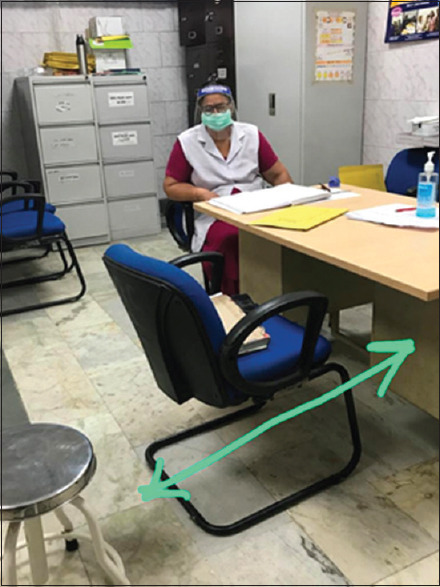
Results: Despite complete lockdown and initial low patient load, we saw a progressive increase in the number of patients coming to the clinic. A total of 108 patients visited our clinic (65 male and 43 female), of which 78% of the patients were from Delhi. The median age was 43.94 years (range 6 years to 76 years). We had 33 new and 75 old registered cases coming. The main reason was new-onset pain because of noncompliance of drugs; the opioid stock finished with the patient. We saw a very high number of patients requiring strong and weak opioids. Proper personal protection and social distancing helped in preventing crossinfection. None of our staff or patients fell ill during this time. Communication skills were modified to convey feelings and empathize patients. Telemedicine using phone and video calls was used and found to be useful.
Conclusion: We share our experience and challenges of providing palliative care in our clinic which can be modified as per the individual requirements in other setups.
Keywords: COVID-19; Communication; pain clinic; palliative care; telemedicine.
Copyright: © 2020 Indian Journal of Palliative Care.
Conflict of interest statement
There are no conflicts of interest.
Figures


References
-
- Bansal N, Ghafur A. COVID-19 in oncology settings. Cancer Res Stat Treat. 2020;3:13–4.
-
- Available from: https://m.dailyhunt.in/news/india/english/indiatvnewsepaper-intvnews/peo... . Last updated on 2020 May 08.
LinkOut - more resources
Full Text Sources