


WEIRD bodies: mismatch, medicine and missing diversity
- PMID: 33100820
- PMCID: PMC7584376
- DOI: 10.1016/j.evolhumbehav.2020.04.001
WEIRD bodies: mismatch, medicine and missing diversity
Abstract
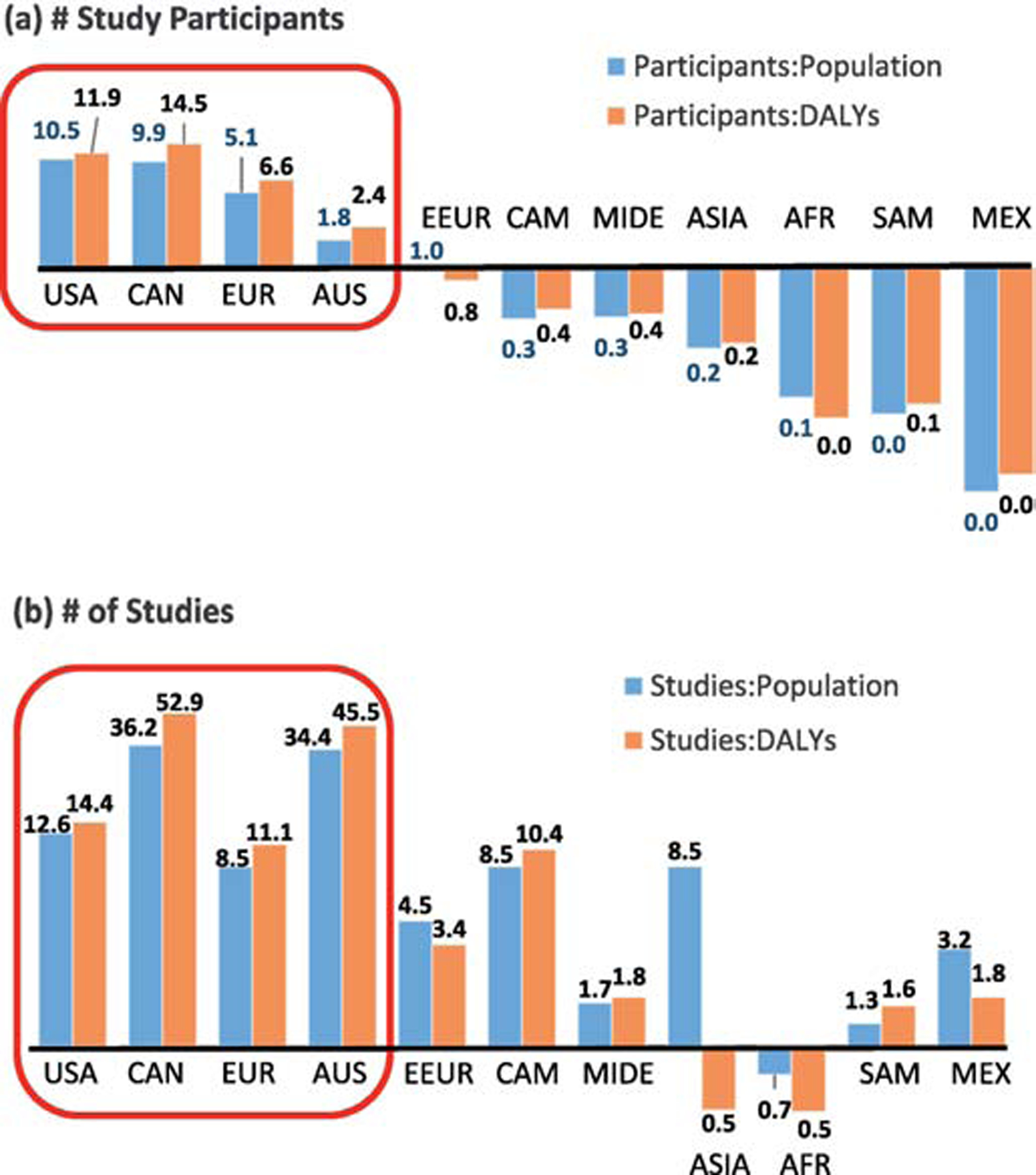
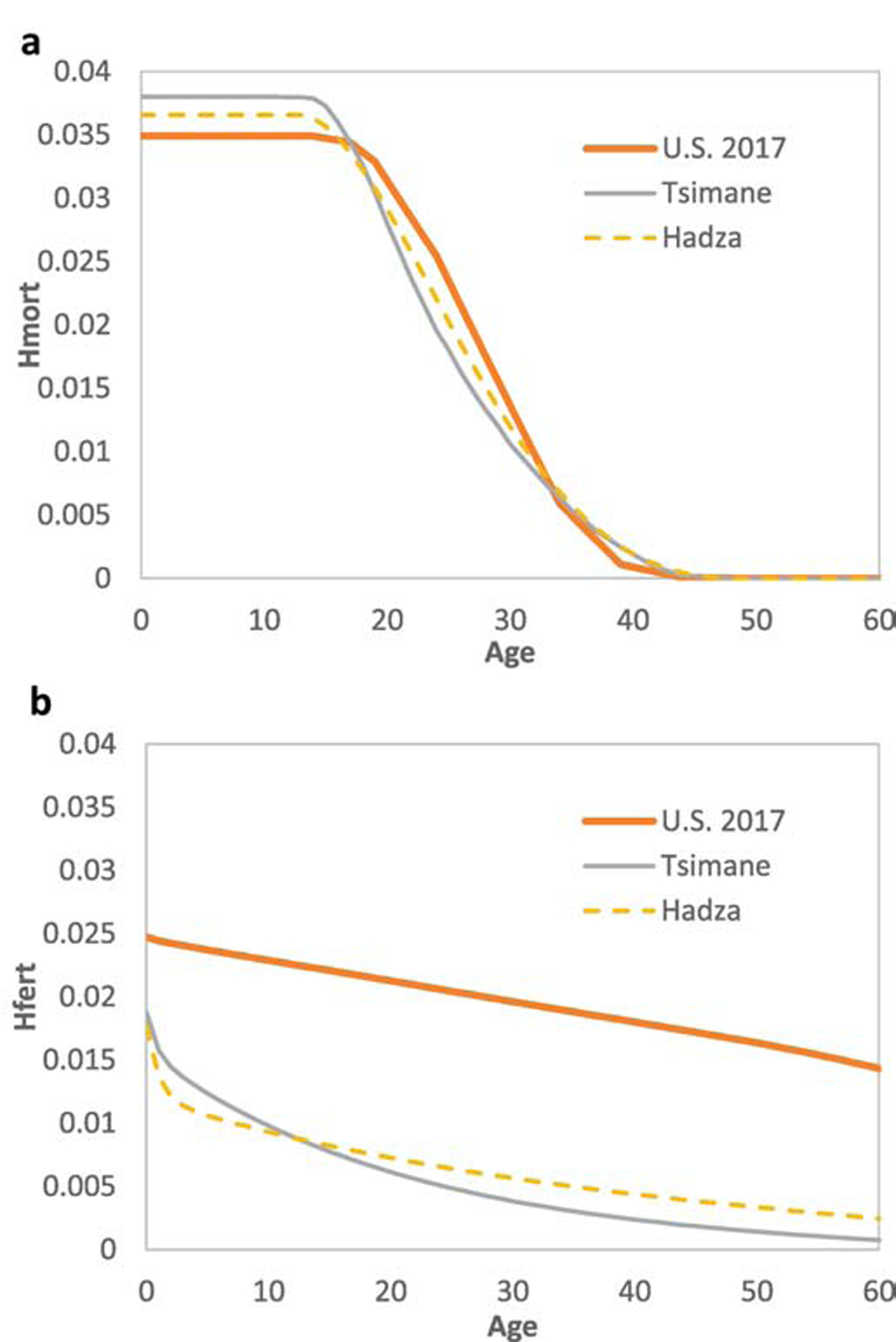
Despite recent rapid advances in medical knowledge that have improved survival, conventional medical science's understanding of human health and disease relies heavily on people of European descent living in contemporary urban industrialized environments. Given that modern conditions in high-income countries differ widely in terms of lifestyle and exposures compared to those experienced by billions of people and all our ancestors over several hundred thousand years, this narrow approach to the human body and health is very limiting. We argue that preventing and treating chronic diseases of aging and other mismatch diseases will require both expanding study design to sample diverse populations and contexts, and fully incorporating evolutionary perspectives. In this paper, we first assess the extent of biased representation of industrialized populations in high profile, international biomedical journals, then compare patterns of morbidity and health across world regions. We also compare demographic rates and the force of selection between subsistence and industrialized populations to reflect on the changes in how selection operates on fertility and survivorship across the lifespan. We argue that, contrary to simplistic misguided solutions like the PaleoDiet, the hypothesis of evolutionary mismatch needs critical consideration of population history, evolutionary biology and evolved reaction norms to prevent and treat diseases. We highlight the critical value of broader sampling by considering the effects of three key exposures that have radically changed over the past century in many parts of the world-pathogen burden, reproductive effort and physical activity-on autoimmune, cardiometabolic and other mismatch diseases.
Keywords: WEIRD; diversity; evolutionary medicine; mismatch.
Figures
References
-
- Adrogué HJ, & Madias NE (2007). Sodium and potassium in the pathogenesis of hypertension. New England Journal of Medicine, 356(19), 1966–1978. - PubMed
-
- Arias E, Escobedo LA, Kennedy J, Fu C, & Cisewski J (2018). U.S. small-area life expectancy estimates project: Methodology and results summary. National Center for Health Statistics. Vital Health Statistics, 2(181). - PubMed
-
- Arnett JJ (2008). The neglected 95%: why American psychology needs to become less American. American Psychologist, 63(7), 602. - PubMed
Grants and funding
LinkOut - more resources
Full Text Sources
Miscellaneous