Sleep problems during the COVID-19 pandemic by population: a systematic review and meta-analysis
- PMID: 33108269
- PMCID: PMC7853219
- DOI: 10.5664/jcsm.8930
Sleep problems during the COVID-19 pandemic by population: a systematic review and meta-analysis
Abstract
Study objectives: No systematic review or meta-analysis has yet been conducted to examine the impact of the pandemic on the prevalence of sleep problems among the general population, health care workers, or patients with COVID-19. Therefore, this systematic review was conducted to assess the impact and prevalence of sleep problems among those categories.
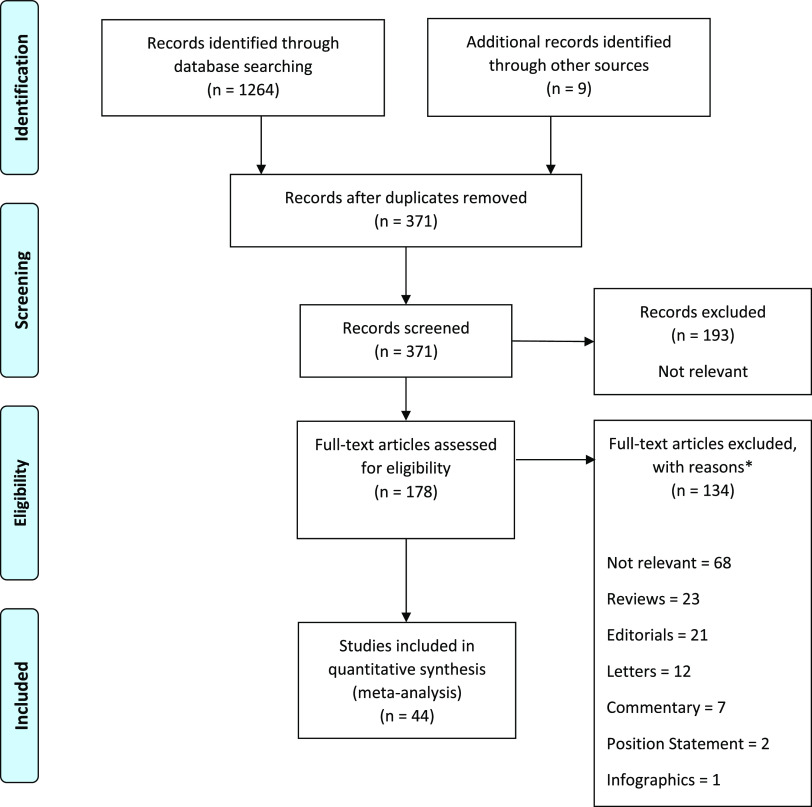
Methods: American Psychological Association PsycINFO, Cochrane, Cumulative Index to Nursing and Allied Health Literature (CINAHL), EBSCOhost, EMBASE, Google Scholar, MEDLINE, ProQuest Medical, ScienceDirect, Scopus, and Web of Science from November 1, 2019 to July 5, 2020 were used. Additionally, 5 preprints servers (medRxiv.org; preprints.org; psyarxiv.com; arXiv.org; biorxiv.org) were also searched for papers accepted after peer review but not yet published and indexed. There was no language restriction. The random-effect models meta-analysis model was used with the DerSimonian and Laird methodology.
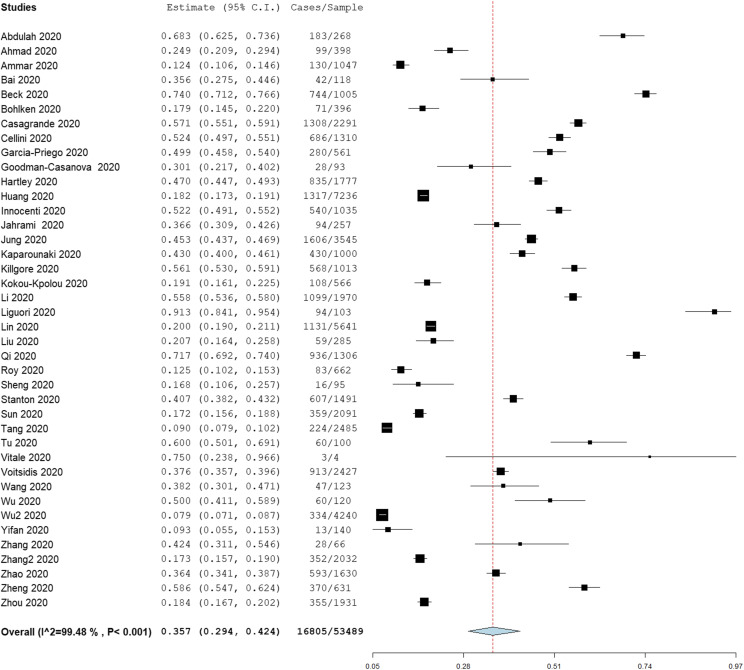
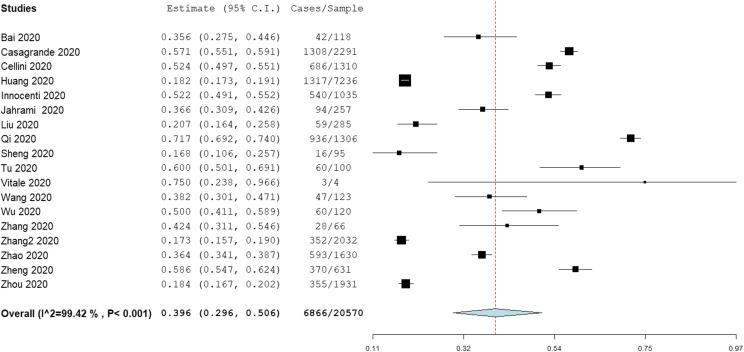
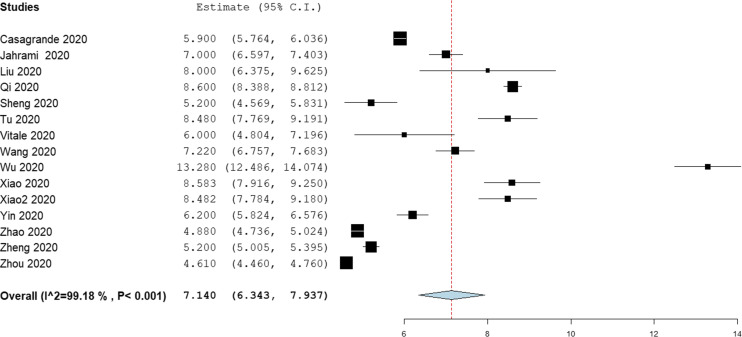
Results: Forty-four papers, involving a total of 54,231 participants from 13 countries, were judged relevant and contributed to the systematic review and meta-analysis of sleep problems during COVID-19. The global pooled prevalence rate of sleep problems among all populations was 35.7% (95% confidence interval, 29.4-42.4%). Patients with COVID-19 appeared to be the most affected group, with a pooled rate of 74.8% (95% confidence interval, 28.7-95.6%). Health care workers and the general population had comparative rates of sleep problems, with rates of 36.0% (95% confidence interval, 21.1-54.2%) and 32.3% (95% confidence interval, 25.3-40.2%), respectively.
Conclusions: The prevalence of sleep problems during the COVID-19 pandemic is high and affects approximately 40% of people from the general and health care populations. Patients with active COVID-19 appeared to have a higher prevalence rates of sleep problems.
Keywords: circadian rhythm; insomnia; pandemic; sleep disturbance; sleep hygiene.
© 2021 American Academy of Sleep Medicine.
Conflict of interest statement
All authors have seen and approved the manuscript. This article does not contain any studies with human participants performed by any of the authors. For this type of study (meta-analysis), formal consent is not required. The authors report no conflict of interest.
Figures
References
-
- World Health Organization . Coronavirus disease (COVID-19) pandemic. https://www.who.int/emergencies/diseases/novel-coronavirus-2019. Accessed May 2, 2020.
-
- Coronavirus Update (Live) . COVID-19 virus pandemic: worldometer. https://www.worldometers.info/coronavirus/. Accessed May 2, 2020.
Publication types
MeSH terms
LinkOut - more resources
Full Text Sources
Other Literature Sources
Medical