


Functional Foods: An Approach to Modulate Molecular Mechanisms of Alzheimer's Disease
- PMID: 33114170
- PMCID: PMC7690784
- DOI: 10.3390/cells9112347
Functional Foods: An Approach to Modulate Molecular Mechanisms of Alzheimer's Disease
Abstract
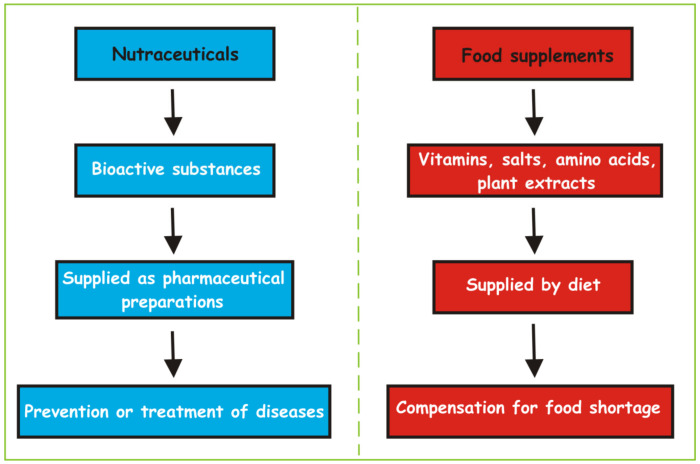
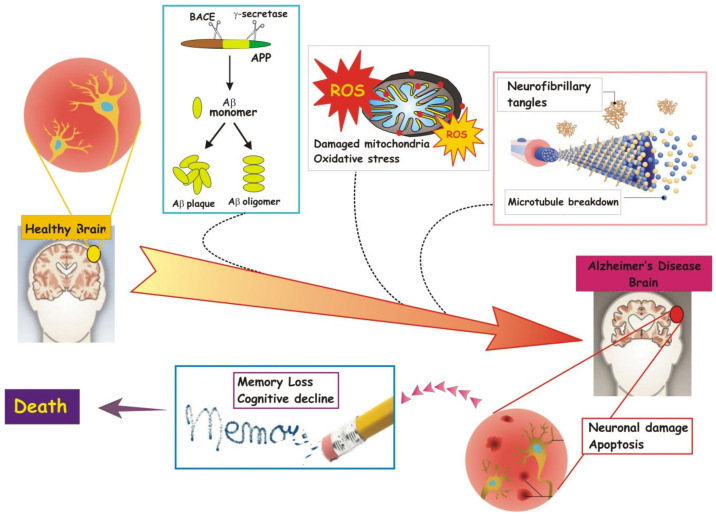
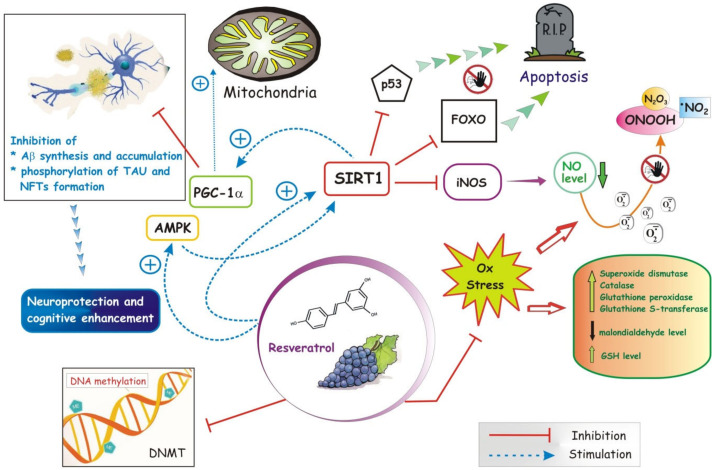
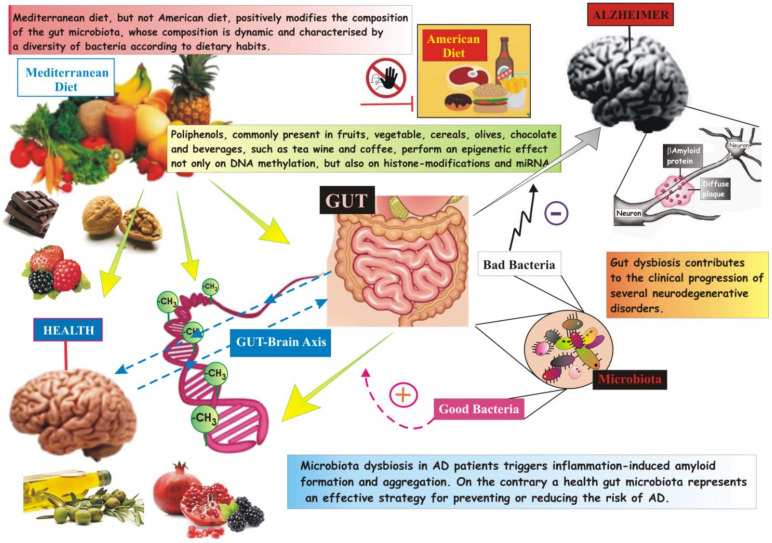
A new epoch is emerging with intense research on nutraceuticals, i.e., "food or food product that provides medical or health benefits including the prevention and treatment of diseases", such as Alzheimer's disease. Nutraceuticals act at different biochemical and metabolic levels and much evidence shows their neuroprotective effects; in particular, they are able to provide protection against mitochondrial damage, oxidative stress, toxicity of β-amyloid and Tau and cell death. They have been shown to influence the composition of the intestinal microbiota significantly contributing to the discovery that differential microorganisms composition is associated with the formation and aggregation of cerebral toxic proteins. Further, the routes of interaction between epigenetic mechanisms and the microbiota-gut-brain axis have been elucidated, thus establishing a modulatory role of diet-induced epigenetic changes of gut microbiota in shaping the brain. This review examines recent scientific literature addressing the beneficial effects of some natural products for which mechanistic evidence to prevent or slowdown AD are available. Even if the road is still long, the results are already exceptional.
Keywords: Alzheimer; brain; cell death; diet; epigenetics; gut microbiota; health; nutraceuticals.
Conflict of interest statement
The authors declare no conflict of interest.
Figures
References
-
- Bergamini E. Nutraceuticals: A valuable aid to be used cautiously. G. Gerontol. 2010;58:255–258.
-
- Small G.W., Ercoli L.M., Silverman D.H., Huang S.C., Komo S., Bookheimer S.Y., Lavretsky H., Miller K., Siddarth P., Rasgon N.L., et al. Cerebral metabolic and cognitive decline in persons at genetic risk for Alzheimer’s disease. Proc. Natl. Acad. Sci. USA. 2000;97:6037–6042. doi: 10.1073/pnas.090106797. - DOI - PMC - PubMed
Publication types
MeSH terms
Substances
LinkOut - more resources
Full Text Sources
Medical
