


Predictors of Non-Adherence to Public Health Instructions During the COVID-19 Pandemic in the Democratic Republic of the Congo
- PMID: 33116566
- PMCID: PMC7585776
- DOI: 10.2147/JMDH.S274944
Predictors of Non-Adherence to Public Health Instructions During the COVID-19 Pandemic in the Democratic Republic of the Congo
Abstract
Background: Adherence to public health instructions for the COVID-19 is important for controlling the transmission and the pandemic's health and economic impacts. The aim of this study was to determine the associated factors of non-adherence to public health and social measures instructions.
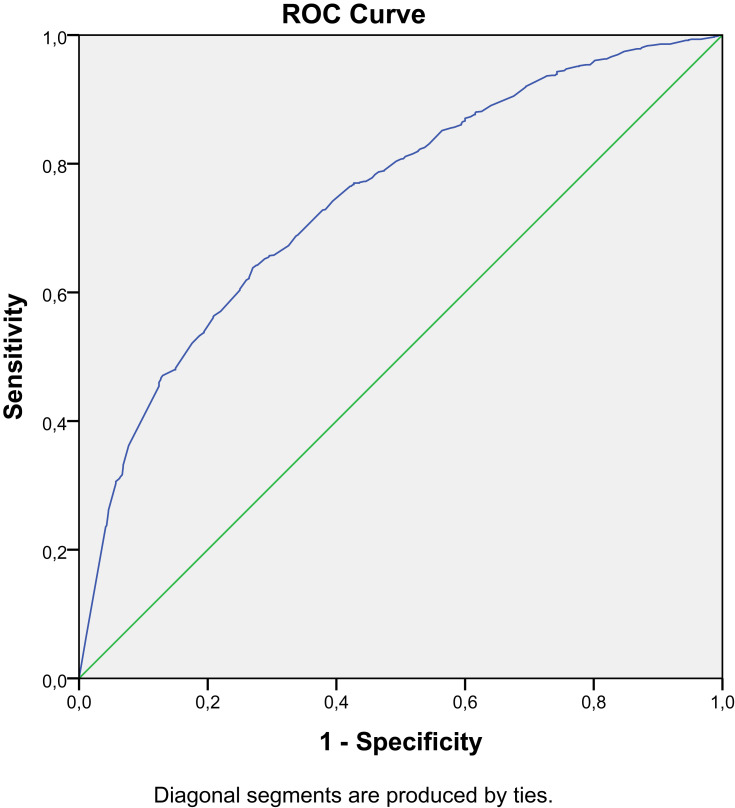
Methods: This was a cross-sectional study conducted with 1913 participants in two provinces of DRC, Mbuji-Mayi, and Kamina. Predictors of non-adherence to COVID-19 preventive measures were identified using binary logistic regression analysis. P-value<0.05 was considered as a significant predictor.
Results: Among 1913 participants (1057 [55.3%] male, age 34.1 [14.9] years), 36.6% were defined as non-adherents. Non-adherence was associated with never studied and primary education level [adjusted odds ratio (aOR)=1.63, CI=1.31-2.03], unemployed status [aOR=1.29, CI=1.01-1.67], living in Kamina (Haut-Lomami province) [aOR=1.63, CI=1.31-2.03], female gender of head of household [aOR=1.53, CI=1.16-2.03], no attending lectures/discussions about COVID-19 [aOR=1.61, CI=1.08-2.40], not being satisfied with the measures taken by the Ministry of Health [aOR=2.26, CI=1.78-2.81], not been regularly informed about the pandemic [aOR=2.25, CI=1.80-2.03], and bad knowledge about COVID-19 [aOR=2.36, CI=1.90-2.93].
Conclusion: The rate of non-observance of preventive measures for the COVID-19 pandemic is high, and different factors contributed. The government has to counsel the permanent updating of messages taking into account the context and the progress of the pandemic by using several communication channels.
Keywords: COVID-19 pandemic; DR Congo; adherence; predictors; public health instructions.
© 2020 Kabamba Nzaji et al.
Conflict of interest statement
The authors report no conflicts of interest for this work.
Figures
References
LinkOut - more resources
Full Text Sources
Research Materials
