


COVID-19-Related Mental Health Effects in the Workplace: A Narrative Review
- PMID: 33120930
- PMCID: PMC7663773
- DOI: 10.3390/ijerph17217857
COVID-19-Related Mental Health Effects in the Workplace: A Narrative Review
Abstract
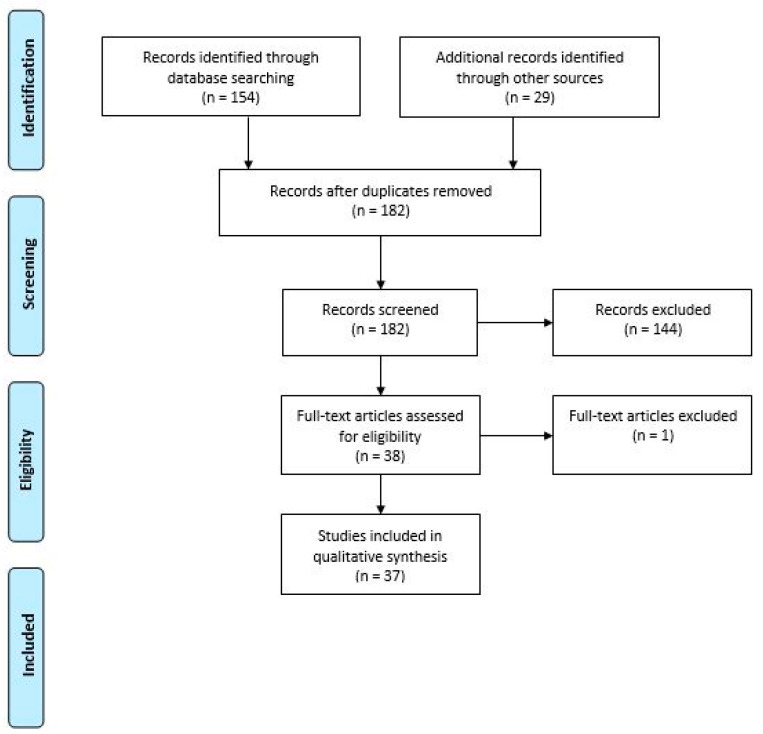
The Coronavirus Disease 2019 (COVID-19) pandemic has deeply altered social and working environments in several ways. Social distancing policies, mandatory lockdowns, isolation periods, and anxiety of getting sick, along with the suspension of productive activity, loss of income, and fear of the future, jointly influence the mental health of citizens and workers. Workplace aspects can play a crucial role on moderating or worsening mental health of people facing this pandemic scenario. The purpose of this literature review is to deepen the psychological aspects linked to workplace factors, following the epidemic rise of COVID-19, in order to address upcoming psychological critical issues in the workplaces. We performed a literature search using Google Scholar, PubMed, and Scopus, selecting papers focusing on workers' psychological problems that can be related to the workplace during the pandemic. Thirty-five articles were included. Mental issues related to the health emergency, such as anxiety, depression, post-traumatic stress disorder (PTSD), and sleep disorders are more likely to affect healthcare workers, especially those on the frontline, migrant workers, and workers in contact with the public. Job insecurity, long periods of isolation, and uncertainty of the future worsen the psychological condition, especially in younger people and in those with a higher educational background. Multiple organizational and work-related interventions can mitigate this scenario, such as the improvement of workplace infrastructures, the adoption of correct and shared anti-contagion measures, including regular personal protective equipment (PPE) supply, and the implementation of resilience training programs. This review sets the basis for a better understanding of the psychological conditions of workers during the pandemic, integrating individual and social perspectives, and providing insight into possible individual, social, and occupational approaches to this "psychological pandemic".
Keywords: COVID-19 pandemic; SARS-CoV-2; mental health; occupational health and safety; psychological disorders; workplace organization.
Conflict of interest statement
The authors declare no conflict of interest.
Figures
References
-
- 1st Known Case of Coronavirus Traced back to November in China Live Science. [(accessed on 21 September 2020)]; Available online: https://www.livescience.com/first-case-coronavirus-found.html.
-
- WHO/Europe International Health Regulations—2019-nCoV Outbreak is An Emergency of International Concern. [(accessed on 21 September 2020)]; Available online: https://www.euro.who.int/en/health-topics/health-emergencies/internation....
-
- McKibbin W.J., Fernando R. The Global Macroeconomic Impacts of COVID-19: Seven Scenarios. SSRN Electron. J. 2020 doi: 10.2139/ssrn.3547729. - DOI
Publication types
MeSH terms
LinkOut - more resources
Full Text Sources
Other Literature Sources
Medical
Miscellaneous
