


Molecular characterization of ochratoxigenic fungi associated with poultry feedstuffs in Saudi Arabia
- PMID: 33133533
- PMCID: PMC7590298
- DOI: 10.1002/fsn3.1827
Molecular characterization of ochratoxigenic fungi associated with poultry feedstuffs in Saudi Arabia
Abstract
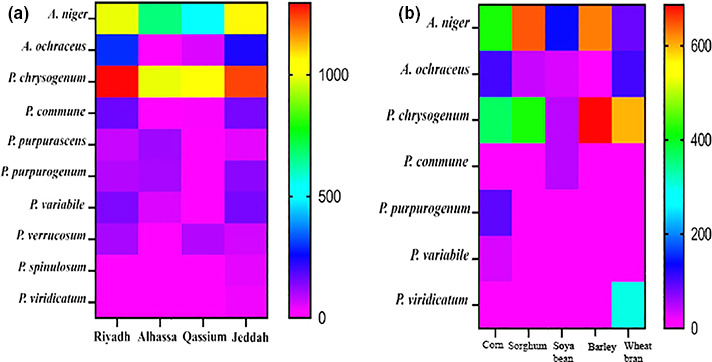
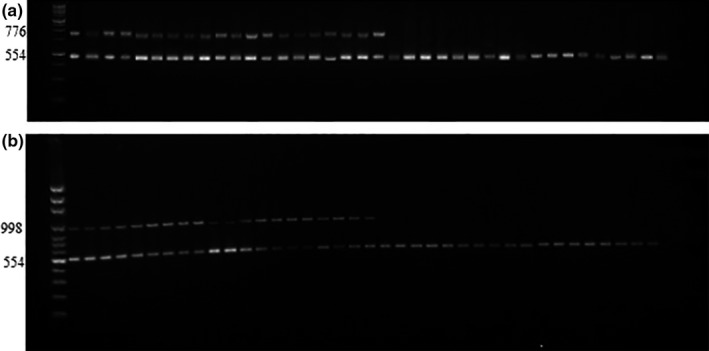
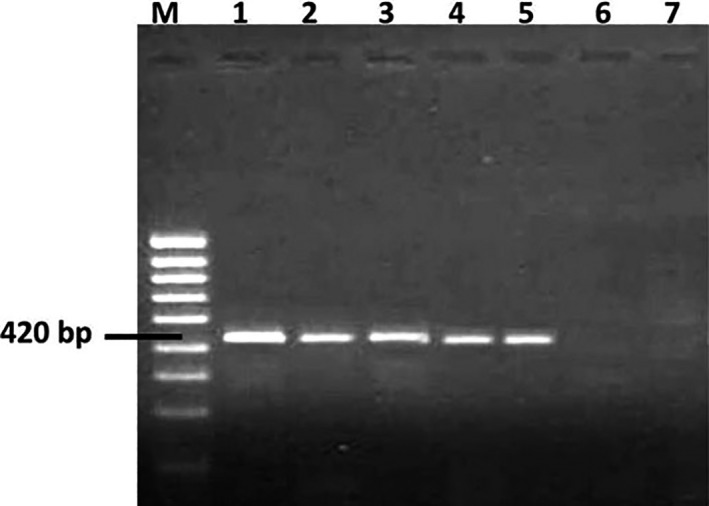
Fungal and mycotoxins contamination of food and poultry feeds can occur at each step along the chain from grain production, storage, and processing. A total of 200 samples comprising of mixed poultry feedstuffs (n = 100) and their ingredients (n = 100) were collected from Riyadh, Alhassa, Qassium, and Jeddah cities in Saudi Arabia. These samples were screened for contamination by fungi. Penicillium chrysogenum was the predominant species taking into its account and frequency, respectively, in both mixed poultry feedstuff and barley samples (4,561.9 and 687 fungal colony-forming units (CFU)/g) and (66% and 17%). Moisture content was an important indicator for the count of fungi and ochratoxin A. Ochratoxin analysis of plate cultures was performed by a HPLC technique. Sample of mixed poultry feedstuff which was collected from Jeddah displayed the highest level of ochratoxin (14.8 µg/kg) and moisture content (11.5%). Corn grains samples were highly contaminated by ochratoxin A (450 and 423 µg/kg) and recorded the highest moisture contents (14.1 and 14.5%). Ochratoxin A production in fungal species isolated from mixed poultry feedstuff samples were high with P. verrucosum (5.5 μg/kg) and A. niger (1.1 μg/kg). In sorghum and corn grains, the highest ochratoxins producing species were P. viridicatum (5.9 μg/kg) and A. niger (1.3 μg/kg), respectively. Sixty-three isolates of A. niger were ochratoxigenic, and all of them showed the presence of pks genes using PKS15C-MeT and PKS15KS primer pairs. The detection technique of A. niger in poultry feedstuff samples described in the present study was successfully used as a rapid and specific protocol for early detection of A. niger without cultivation on specific media.
Keywords: Aspergillus; Penicillium; Poultry; genes; ochratoxin A.
© 2020 The Authors. Food Science & Nutrition published by Wiley Periodicals LLC.
Conflict of interest statement
The authors declare that they do not have any conflict of interest.
Figures

References
-
- Accensi, F. , Abarca, M. L. , & Cabañes, F. J. (2004). Occurrence of Aspergillus species in mixed feeds and component raw materials and their ability to produce ochratoxin A. Food Microbiology, 21, 623–627.
-
- Al‐Julaifi, M. Z. (2003). Ochratoxin A production by Eurotium amstelodami and Eurotium spp. Isolated from locally grown barley in Saudi Arabia. Kuwait Journal of Science and Engineering, 30, 59–66.
-
- Baliukoniene, V. , & Bakutis, B. S. H. (2003). Mycological and mycotoxicological evaluation of grain. Annals of Agriculture and Environmental Medicine, 10, 223–227. - PubMed
-
- Battilani, P. , Barbano, C. , & Piva, G. (2008). Aflatoxin B 1 contamination in maize related to the aridity index in North Italy. World Mycotoxin Journal, 1, 449–456.
-
- Beg, M. U. , Al‐Mutairi, M. , Beg, K. R. , Al‐Mazeedi, H. M. , Ali, L. N. , & Saeed, T. (2006). Mycotoxins in poultry feed in Kuwait. Archives of Environmental Contamination and Toxicology, 50, 594–602. - PubMed
LinkOut - more resources
Full Text Sources
Miscellaneous
