


COVID-19 (SARS-CoV-2) pandemic: fears, facts and preventive measures
- PMID: 33134200
- PMCID: PMC7572217
- DOI: 10.18683/germs.2020.1208
COVID-19 (SARS-CoV-2) pandemic: fears, facts and preventive measures
Abstract
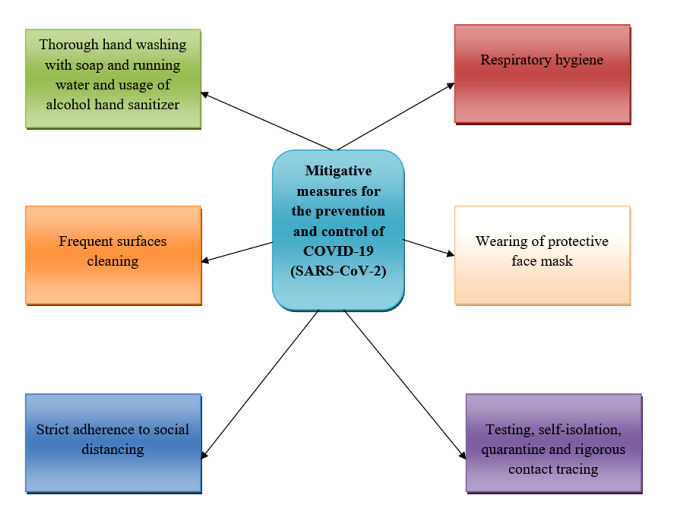
The aim of this review is to give a synopsis on the coronavirus disease 2019 (COVID-19) pandemic, with major focus on the preventive measures. Ever since the influenza pandemic of 1918, and the second world war of (1939-1945), the world has not been faced with a common problem in recent memory like the COVID-19 pandemic. The unprecedented COVID-19 pandemic is caused by infection with a viral pathogen, the nascent severe acute respiratory syndrome coronavirus 2 (SARS-CoV-2), and is characterized by respiratory failure in severe cases. The communicability period of COVID-19 varies, but it is usually between 2-14 days, and the major signs and symptoms of COVID-19 are high temperature (fever), severe and consistent cough, and serious breathing problems in severe cases, however, complications result in the serious inflammation of the lungs, and organ malfunction occurs in patients with comorbidities and health conditions especially diabetes, heart disease and obesity. With high virulence and contagious nature of SARS-CoV-2, over 11.4 million confirmed cases and over 533,780 deaths have occurred as a result of COVID-19 globally, with over 6.1 million recoveries as of 6th July 2020. Presently, there is no known cure for COVID-19, however, remdesivir has been approved for emergency use for the treatment of COVID-19 patients by the Food and Drug Administration, a United States federal regulatory body (FDA), while various clinical trial treatments and vaccines are being tried globally. The world is faced with containing the spread of the infection, and this review revealed that thorough hand washing with antiseptic soap and running water and usage of alcohol hand sanitizer, frequent surfaces cleaning, strict adherence to social distancing, regular respiratory hygiene, wearing of protective face masks, frequent testing, self-isolation, quarantine and rigorous contact tracing will help to prevent further spread, and control the transmission of the viral pathogen. It is however strongly recommended that only the strict compliance to the mitigative and preventive measures provided above will yield the desired results in the prevention, management and control of the COVID-19 pandemic.
Keywords: COVID-19 pandemic; SARS-CoV-2; control measures; mitigation; prevention.
GERMS.
Conflict of interest statement
Conflicts of interest: All authors – none to declare.
Figures
References
-
- McIntosh K. Coronaviruses: a comparative review. Curr Top Microbiol Immuno. In: Arber W, et al., editors. Current Topics in Microbiology and Immunology / Ergebnisse der Mikrobiologie und Immunitätsforschung. vol 63. Berlin, Heidelberg, Germany: Springer; 1974. pp. 85–129. - DOI
-
- Tyrrel D, Almedia DM, Berry CH, et al. Coronaviruses. Nature. 1968;220:650. doi: 10.1038/220650b0. - DOI
-
- Nguyen S, Major K, Cochet C, et al. [COVID-19 infection in the elderly in French-speaking Switzerland: an inventory of beliefs, convictions and certainties] Rev Med Suisse. 2020;16:835–8. - PubMed
-
- Olde Rikkert MGM, Vingerhoets RW, van Geldorp N, de Jong E, Maas HAAM. [Atypical clinical picture of COVID-19 in older patients] Ned Tijdschr Geneeskd. 2020;164:D5004. - PubMed
Publication types
LinkOut - more resources
Full Text Sources
Miscellaneous