


G-quadruplex-R-loop interactions and the mechanism of anticancer G-quadruplex binders
- PMID: 33137181
- PMCID: PMC7708042
- DOI: 10.1093/nar/gkaa944
G-quadruplex-R-loop interactions and the mechanism of anticancer G-quadruplex binders
Erratum in
-
Correction to: G-quadruplex-R-loop interactions and the mechanism of anticancer G-quadruplex binders.Nucleic Acids Res. 2021 Jan 11;49(1):595. doi: 10.1093/nar/gkaa1206. Nucleic Acids Res. 2021. PMID: 33290550 Free PMC article. No abstract available.
-
Correction to article 'G-quadruplex-R-loop interactions and the mechanism of anticancer G-quadruplex binders'.Nucleic Acids Res. 2021 Jun 4;49(10):6000-6001. doi: 10.1093/nar/gkab483. Nucleic Acids Res. 2021. PMID: 34038553 Free PMC article. No abstract available.
Abstract
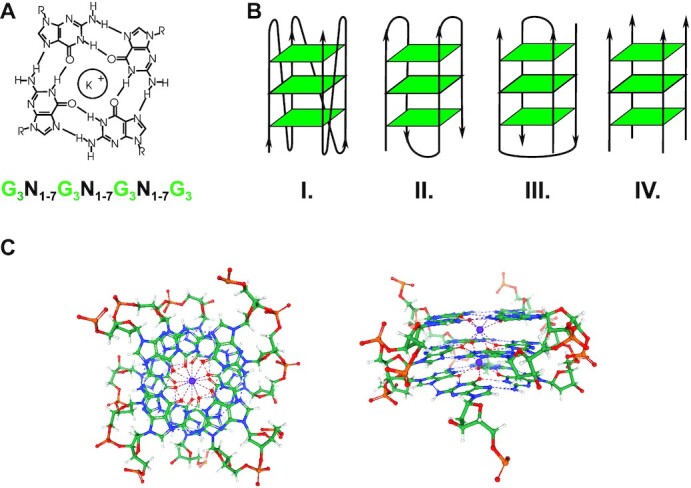
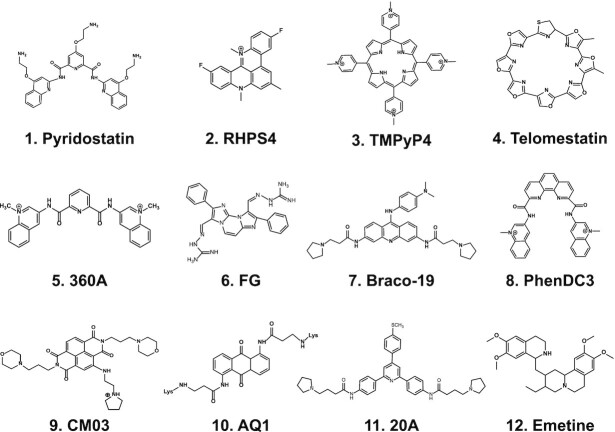
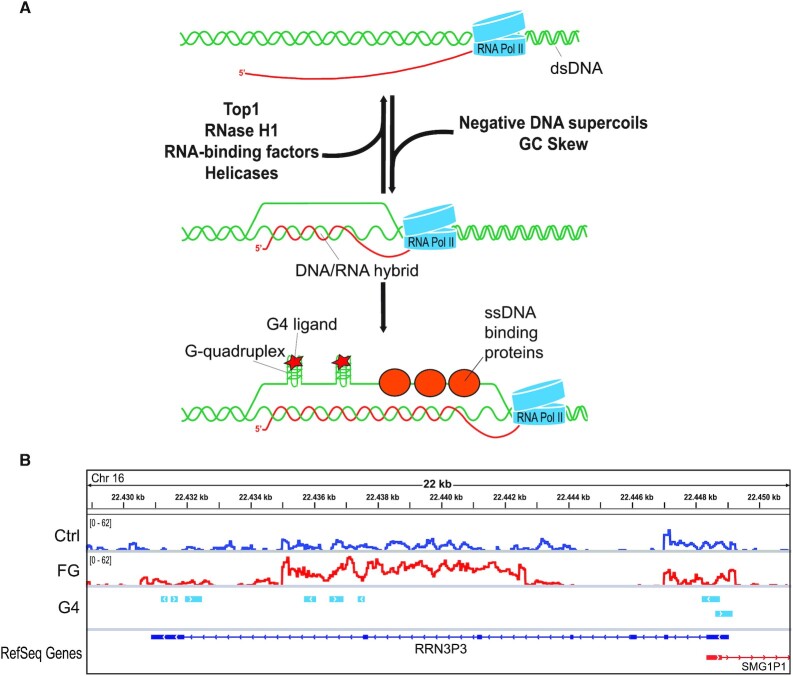
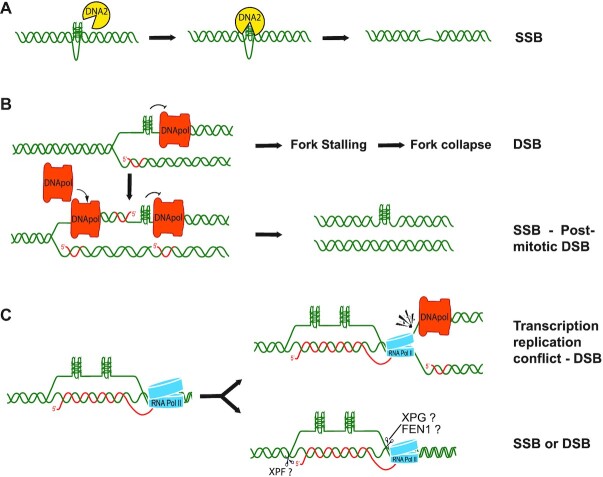
Genomic DNA and cellular RNAs can form a variety of non-B secondary structures, including G-quadruplex (G4) and R-loops. G4s are constituted by stacked guanine tetrads held together by Hoogsteen hydrogen bonds and can form at key regulatory sites of eukaryote genomes and transcripts, including gene promoters, untranslated exon regions and telomeres. R-loops are 3-stranded structures wherein the two strands of a DNA duplex are melted and one of them is annealed to an RNA. Specific G4 binders are intensively investigated to discover new effective anticancer drugs based on a common rationale, i.e.: the selective inhibition of oncogene expression or specific impairment of telomere maintenance. However, despite the high number of known G4 binders, such a selective molecular activity has not been fully established and several published data point to a different mode of action. We will review published data that address the close structural interplay between G4s and R-loops in vitro and in vivo, and how these interactions can have functional consequences in relation to G4 binder activity. We propose that R-loops can play a previously-underestimated role in G4 binder action, in relation to DNA damage induction, telomere maintenance, genome and epigenome instability and alterations of gene expression programs.
© The Author(s) 2020. Published by Oxford University Press on behalf of Nucleic Acids Research.
Figures
References
Publication types
MeSH terms
Substances
LinkOut - more resources
Full Text Sources
