


Telemedicine for postoperative follow-up, virtual surgical clinics during COVID-19 pandemic
- PMID: 33140151
- PMCID: PMC7605475
- DOI: 10.1007/s00464-020-08130-1
Telemedicine for postoperative follow-up, virtual surgical clinics during COVID-19 pandemic
Abstract
Recent coronavirus outbreak and "stay at home" policies have accelerated the implementation of virtual healthcare. Many surgery departments are implementing telemedicine to enhance remote perioperative care. However, concern still arises regarding the safety of this modality in postoperative follow-up after gastrointestinal surgery. The aim of the present prospective study is to compare the use of telemedicine clinics to in-person follow-up for postoperative care after gastrointestinal surgery during COVID-19 outbreak.
Methods: Prospective study that included all abdominal surgery patients operated since the COVID-19 outbreak. On discharge, patients were given the option to perform their postoperative follow-up appointment by telemedicine or by in-person clinics. Demographic, perioperative, and follow-up variables were analyzed.
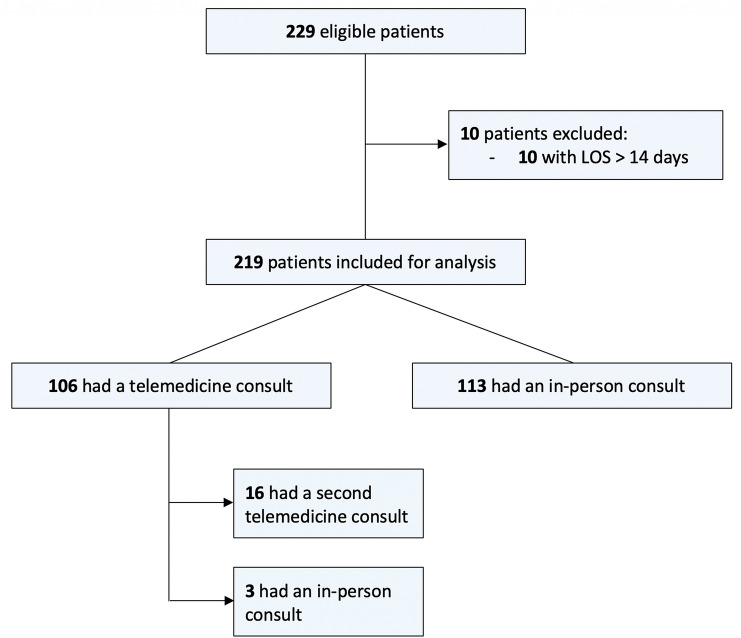
Results: Among 219 patients who underwent abdominal surgery, 106 (48%) had their postoperative follow-up using telemedicine. There were no differences in age, gender, ASA score, and COVID-19 positive rate between groups. Patients who preferred telemedicine over in-person follow-up were more likely to have undergone laparoscopic surgery (71% vs. 51%, P = 0.037) and emergency surgery (55% vs. 41%; P = 0.038). Morbidity rate for telemedicine and in-person group was 5.7% and 8%, (P = 0.50). Only 2.8% of patients needed an in-person visit following the telemedicine consult, and 1.9% visited the emergency department.
Conclusions: In the current pandemic, telemedicine follow-up can be safely and effectively performed in selected surgical patients. Patients who underwent laparoscopic and emergency procedures opted more for telemedicine than in-person follow-up.
Keywords: COVID-19 pandemic; Postoperative care; Telemedicine.
© 2020. Springer Science+Business Media, LLC, part of Springer Nature.
Conflict of interest statement
Drs. María J. Irarrázaval, Martin Inzunza, Rodrigo Muñoz, Nicolás Quezada, Alejandro Brañes, Mauricio Gabrielli, Pedro Soto, Martin Dib, Gonzalo Urrejola, Julian Varas, Sebastián Valderrama, Fernando Crovari and Pablo Achurra have no conflicts of interest or financial ties to disclose.
Figures
References
MeSH terms
LinkOut - more resources
Full Text Sources
Medical
