. 2021 Jan 4;131(1):e138332.
doi: 10.1172/JCI138332.

The matrix metalloproteinase inhibitor IPR-179 has antiseizure and antiepileptogenic effects

Affiliations

The matrix metalloproteinase inhibitor IPR-179 has antiseizure and antiepileptogenic effects

Diede Wm Broekaart et al. J Clin Invest. .

Abstract

Matrix metalloproteinases (MMPs) are synthesized by neurons and glia and released into the extracellular space, where they act as modulators of neuroplasticity and neuroinflammatory agents. Development of epilepsy (epileptogenesis) is associated with increased expression of MMPs, and therefore, they may represent potential therapeutic drug targets. Using quantitative PCR (qPCR) and immunohistochemistry, we studied the expression of MMPs and their endogenous inhibitors tissue inhibitors of metalloproteinases (TIMPs) in patients with status epilepticus (SE) or temporal lobe epilepsy (TLE) and in a rat TLE model. Furthermore, we tested the MMP2/9 inhibitor IPR-179 in the rapid-kindling rat model and in the intrahippocampal kainic acid mouse model. In both human and experimental epilepsy, MMP and TIMP expression were persistently dysregulated in the hippocampus compared with in controls. IPR-179 treatment reduced seizure severity in the rapid-kindling model and reduced the number of spontaneous seizures in the kainic acid model (during and up to 7 weeks after delivery) without side effects while improving cognitive behavior. Moreover, our data suggest that IPR-179 prevented an MMP2/9-dependent switch-off normally restraining network excitability during the activity period. Since increased MMP expression is a prominent hallmark of the human epileptogenic brain and the MMP inhibitor IPR-179 exhibits antiseizure and antiepileptogenic effects in rodent epilepsy models and attenuates seizure-induced cognitive decline, it deserves further investigation in clinical trials.

Keywords: Epilepsy; Extracellular matrix; Neuroscience; Seizures; Therapeutics.


Conflict of interest statement

Conflict of interest: RP is an employee of Accure Therapeutics SL, which has the patent WO 2017/085034 A1, “Gelatinase inhibitors and use thereof” (JS, TT, and RP, authors).

Figures

Figure 1
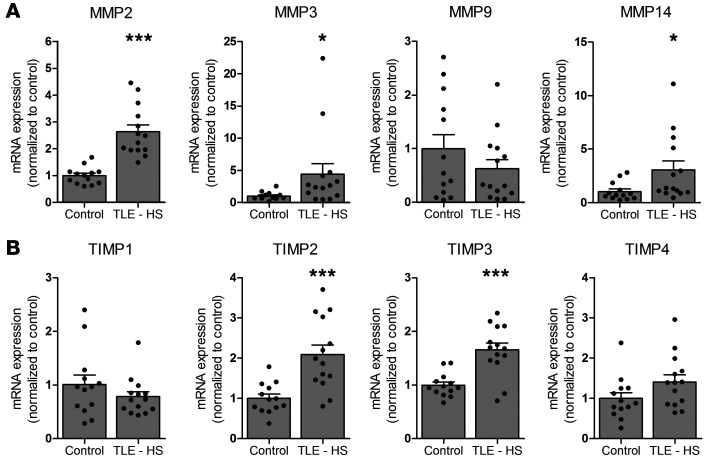
Figure 1. mRNA expression of MMPs and TIMPs in the human brain.
mRNA expression of MMP2, MMP3, MMP9, and MMP14 and TIMP1, TIMP2, TIMP3, and TIMP4 in hippocampi of autopsy controls (n = 13) and patients with TLE and HS (TLE – HS) (n = 14). *P < 0.05; ***P < 0.001, Mann-Whitney U test. Dots represent individual samples, while histograms indicate group mean + SEM.
Figure 2
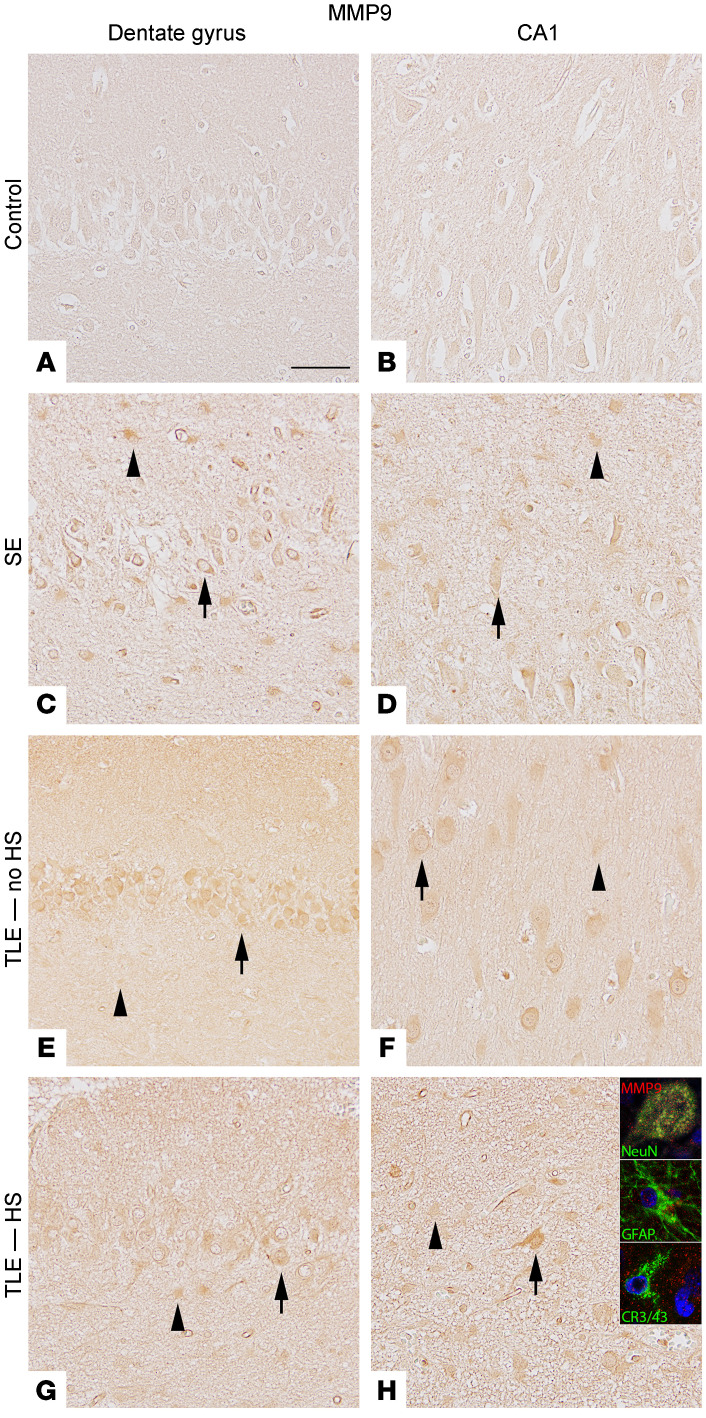
Figure 2. Expression of MMP9 protein in the DG and CA1 of the human hippocampus.
In controls, MMP9 was weakly expressed in neurons while it was not detected in glial cells (A and B). Higher MMP9 expression was observed in hippocampal neurons and glia of patients who died after SE (C and D) compared with controls. In patients with TLE, expression in both neurons and glia was increased compared with that in controls (EH). Scale bar: 50 μm. Arrowheads indicate positive cells with glial morphology. Arrows indicate positive neurons. Insets depict double labeling of MMP9 in NeuN-positive cells (neurons) and GFAP-positive cells (astrocytes), but not with CR3/43-positive cells (microglia). Photographs are taken from representative cases of control (n = 8), SE (n = 5), TLE without HS (TLE – no HS) (n = 5), and TLE with HS (TLE – HS) (n = 10) patients.
Figure 3
Figure 3. mRNA expression of MMPs in rat brain.
mRNA expression of Mmp2 (A), Mmp3 (B), Mmp9 (C), and Mmp14 (D) in the DG, CA1, and PHC of post-SE rats sacrificed at different time points after SE, each corresponding to the phases of epileptogenesis: the acute phase (1 day after SE, n = 5), the latent phase (1 week after SE, absence of electrographic seizures, n = 6) and the chronic phase (3.5 months after SE, recurrent spontaneous electrographic seizures are evident, n = 5).*P < 0.05; **P < 0.01, Mann-Whitney U test. Dots represent the individual rats, while histograms indicate group mean + SEM.
Figure 4
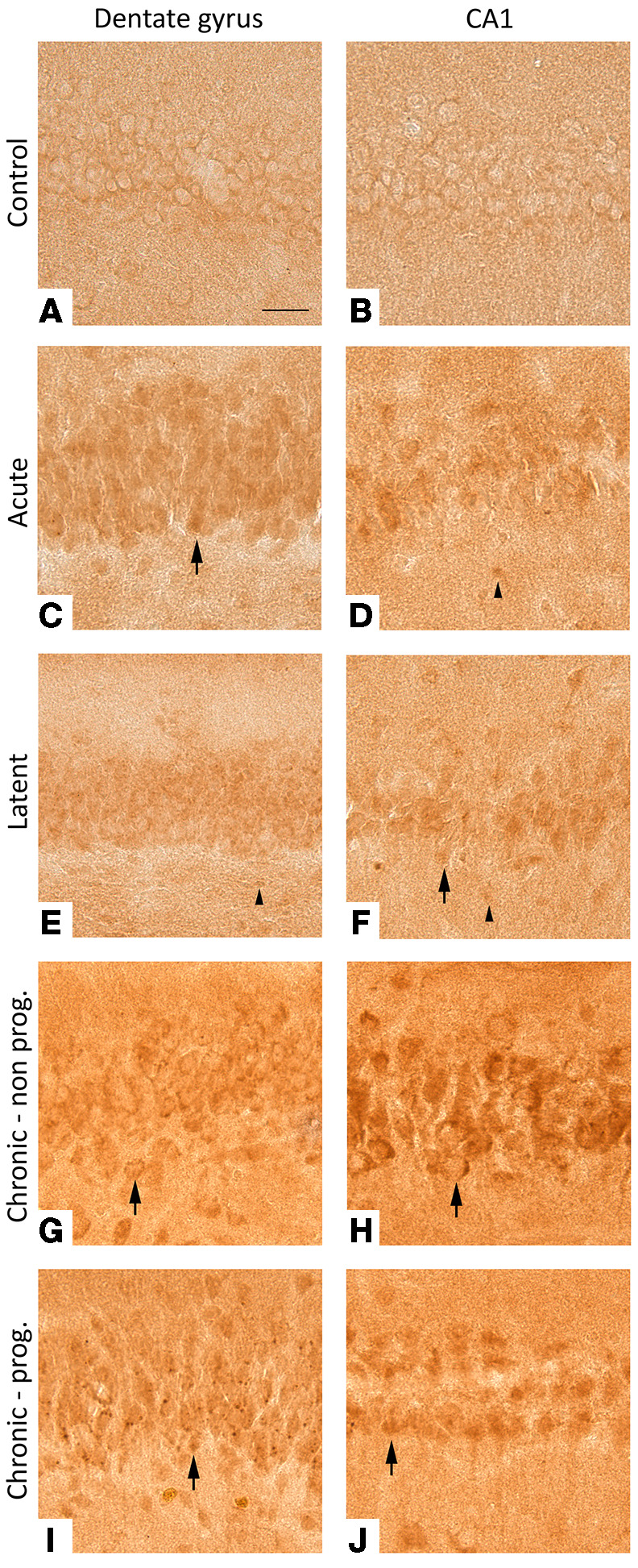
Figure 4. Expression of MMP9 in the dentate gyrus and CA1 of the rat hippocampus.
In controls rats, MMP9 was weakly expressed in neurons while it could not be detected in cells with glial morphology (A and B). In acute and latent phases, moderate MMP9 expression was seen in neurons and weak expression was seen in glia (CF). During the chronic phase, moderate to high MMP9 expression was observed in neurons, while MMP9 could hardly be detected in cells with glial morphology (GJ). Scale bar: 50 μm. Arrowheads indicate positive cells with glial morphology. Arrows indicate positive neurons. Photographs are taken from representative cases of control (n = 5), acute (n = 5), latent (n = 6), chronic nonprogressive (n = 5), and chronic progressive (n = 6) animals.
Figure 5
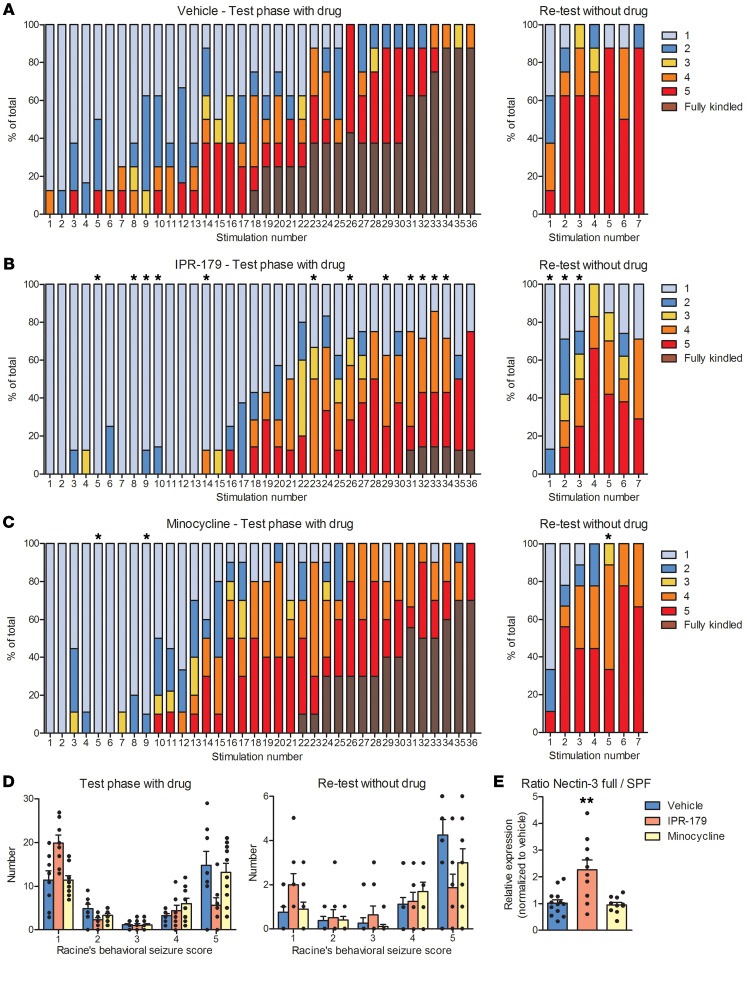
Figure 5. The effects of IPR-179 on seizure development in the rapid-kindling rat model.
Percentages of behavioral scores according to Racine’s scale in rats treated with vehicle (A, n = 8), IPR-179 (B, n = 8), or minocycline (C, n = 10) during the test and retest phase. Mixed effects ordinal regression revealed a difference in the interaction between treatment and stimulus number was observed for IPR-179 compared with vehicle (P < 0.05). During kindling, IPR-179–treated rats (B) showed less severe behavioral seizures (stimulation 5, 8–10, 14, 23, 26, 29, 31–34; P < 0.05) compared with vehicle-treated animals (A). Less severe behavioral seizures were seen in minocycline-treated rats (C) compared with vehicle-treated rats (A) (stimulation 5 and 9; P < 0.05). In the absence of the drug, IPR-179–treated rats showed less severe behavioral scores during stimulation 1, 2, and 3 (B) compared with vehicle-treated rats (A), while minocycline-treated rats only showed less severe behavioral scores during stimulation 5 (C). IPR-179–treated rats had a tendency toward more stage 1 and fewer stage 2 and stage 5 seizures compared with vehicle-treated rats (D). During the kindling retest, there was a tendency toward more stage 1 and fewer stage 5 seizures in IPR-treated rats versus vehicle-treated rats (D). IPR-179–treated rats showed a higher relative expression of nectin-3 ratio of full protein over SPF (E). Data shown represent mean + SEMs. *P < 0.05; **P < 0.01, Mann-Whitney U test (AC and E), 2-way RM ANOVA followed by Dunnett’s post hoc test (D).
Figure 6
Figure 6. The effects of IPR-179 on seizure development in the intrahippocampal KA mouse model.
Experimental schedule with key milestones (A). Typical EEG recording of a seizure (B). Higher temporal resolution recordings of baseline (light blue), interictal (black), and ictal (red) activities outlined in B are shown (C, left). One second–long EEG epochs outlined by a red box (C, left) are further expanded (C, right). 2D representation of EEG-template library based on these epochs according to the power and coastline of recorded signals (D). Representations of epochs (C, right) are highlighted by circles of the same colors used to outline epochs. The log10 of epileptiform spike epoch counts on days 3, 9, and 17 (E), the percentage for epileptiform epochs (F), the total number of seizures (G), and average seizure durations (H) were reduced after IPR-197 treatment. Two-way RM ANOVA revealed a difference in distribution of epileptiform spike periods on day 3 (F1,14 = 5.127, P = 0.040), day 9 (F1,14 = 8.985, P = 0.010), and day 17 (F1,14 = 5.667, P = 0.032). Holm-Šidák post hoc test (E); unpaired t test was applied (H); Mann-Whitney U test due to non-Gaussian distribution of values (F and G). Data shown represent mean + SEMs; dots in histograms represent individual samples. Vehicle, n = 7; IPR-179, n = 9. *P < 0.05; **P < 0.01; ***P < 0.001.
Figure 7
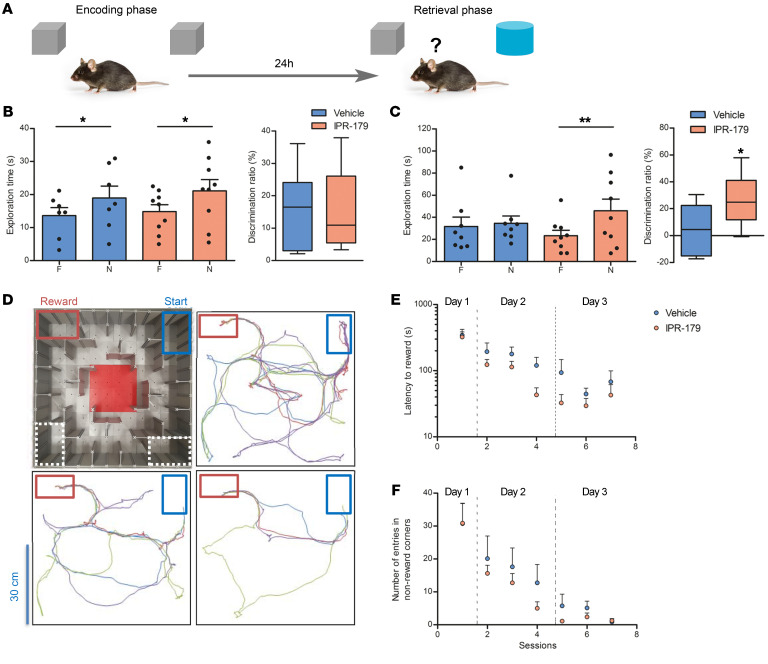
Figure 7. Effects of IPR-179 on memory deficits.
Effects of IPR-179 on novel object recognition memory (AC) and spatial navigation (DF) deficits associated with epileptogenesis in mice (vehicle, n = 7; IPR-179, n = 9). For the novel object recognition test (A), exploration time at familiar and novel objects and discrimination ratio before (B) and 3 weeks after KA injection (C) are shown. Data represent mean + SEMs; dots in histograms represent individual samples; box-and-whisker plots display median with 5–95 percentiles. *P < 0.05; **P < 0.01; t test (Mann-Whitney U test is applied for comparing exploration time). The design of the labyrinth (dry maze) and the typical navigation routes between the start and reward areas during sessions 1, 4, and 7 (D). The latency to approach the reward area (E) and numbers of entering nonreward corners (F) are shown for all training sessions. Two-way RM ANOVA did not reveal a difference between groups in the labyrinth test.
Figure 8
Figure 8. Effects of short-term IPR-179 treatment on epileptogenesis in the intrahippocampal KA mouse model.
Experimental schedule with key milestones (A). Two-way RM ANOVA revealed the effects of IPR-179 treatment on epileptiform spike epoch counts (F1,14 = 6.974, P = 0.019) (B) and total number of seizures (F1,14 = 9.281, P = 0.009) (C). The average seizure duration during the week of IPR-179 treatment was also reduced (F1,14 = 6.413, P = 0.024) (D). Epileptiform activity as a function of the circadian hour (E, left) and the circadian phase (E, right) was averaged for all EEG-monitoring days. Two-way RM ANOVA revealed differences between groups (F1,14 = 9.117, P = 0.009 and F1,14 = 8.862, P = 0.010, respectively). The effects of short-term IPR-179 treatment on memory deficits associated with epileptogenesis in mice were evaluated with the novel object recognition test (F) and novel object location test (G). Data are represented as mean + SEMs; dots in histograms represent individual samples; box-and-whisker plots display median with 5–95 percentiles. The log10 scale is used for B, C, and D. Vehicle, n = 7; IPR-179, n = 9. Two-way RM ANOVA on ranks was applied for panels B, C, and D due to non-Gaussian distribution of values. +P < 0.1; *P < 0.05; **P < 0.01; ***P < 0.001, Holm-Šidák post hoc test. A paired t test was applied to compare exploration times within the same treatment group. A nonpaired t test was used to compare the discrimination ratios between treatment groups.

References

    1. Blumcke I, et al. Histopathological findings in brain tissue obtained during epilepsy surgery. N Engl J Med. 2017;377(17):1648–1656. doi: 10.1056/NEJMoa1703784. - DOI - PubMed
    1. Yang Y, Rosenberg GA. Matrix metalloproteinases as therapeutic targets for stroke. Brain Res. 2015;1623:30–38. doi: 10.1016/j.brainres.2015.04.024. - DOI - PMC - PubMed
    1. Yong VW. Metalloproteinases: mediators of pathology and regeneration in the CNS. Nat Rev Neurosci. 2005;6(12):931–944. doi: 10.1038/nrn1807. - DOI - PubMed
    1. Pitkänen A, et al. Neural ECM and epilepsy. Prog Brain Res. 2014;214:229–262. doi: 10.1016/B978-0-444-63486-3.00011-6. - DOI - PubMed
    1. Ethell IM, Ethell DW. Matrix metalloproteinases in brain development and remodeling: synaptic functions and targets. J Neurosci Res. 2007;85(13):2813–2823. doi: 10.1002/jnr.21273. - DOI - PubMed

Publication types