


The utility of nuclear magnetic resonance spectroscopy in assisted reproduction
- PMID: 33142083
- PMCID: PMC7729034
- DOI: 10.1098/rsob.200092
The utility of nuclear magnetic resonance spectroscopy in assisted reproduction
Abstract
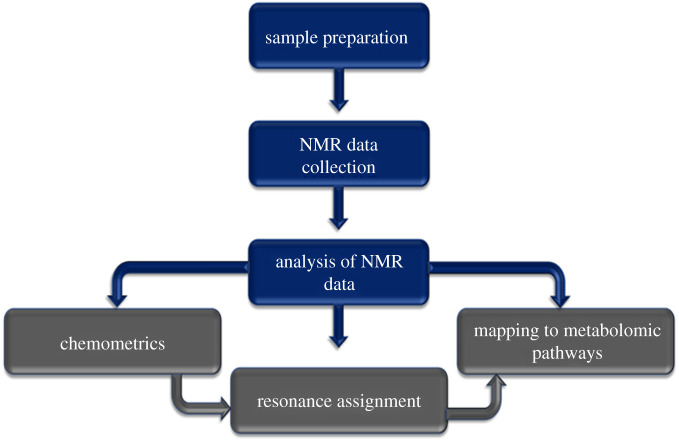
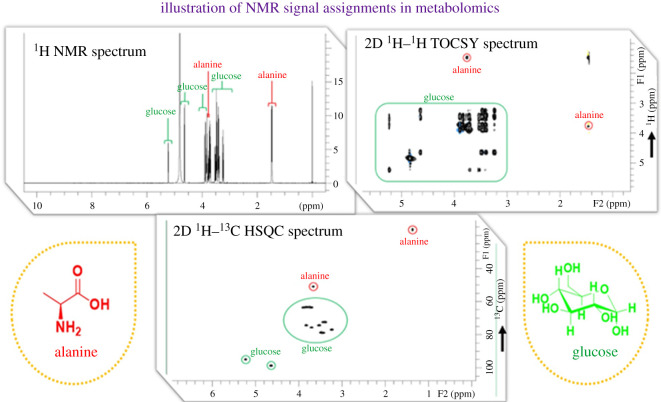
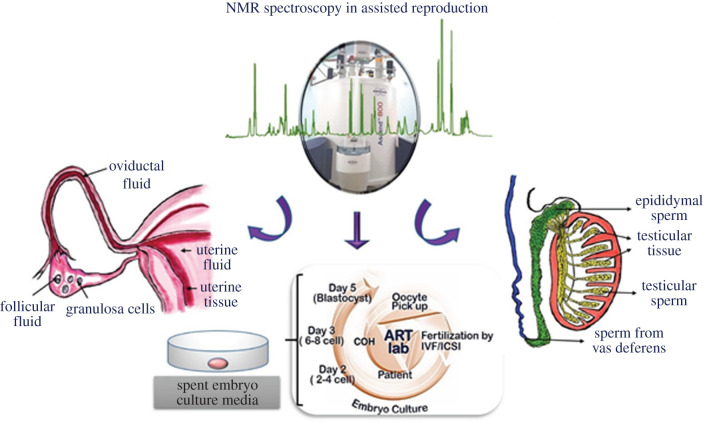
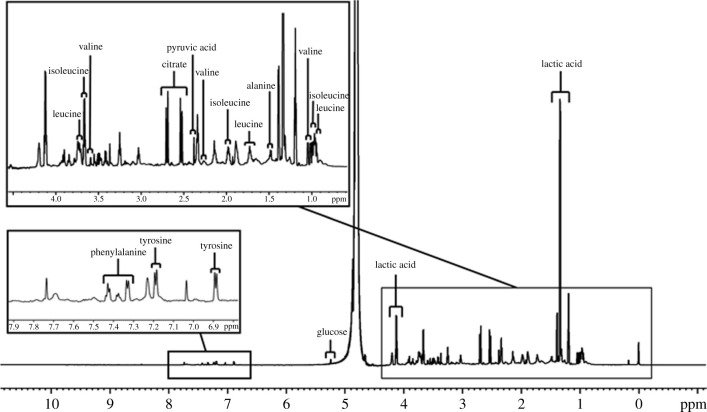
Infertility affects approximately 15-20% of individuals of reproductive age worldwide. Over the last 40 years, assisted reproductive technology (ART) has helped millions of childless couples. However, ART is limited by a low success rate and risk of multiple gestations. Devising methods for selecting the best gamete or embryo that increases the ART success rate and prevention of multiple gestation has become one of the key goals in ART today. Special emphasis has been placed on the development of non-invasive approaches, which do not require perturbing the embryonic cells, as the current morphology-based embryo selection approach has shortcomings in predicting the implantation potential of embryos. An observed association between embryo metabolism and viability has prompted researchers to develop metabolomics-based biomarkers. Nuclear magnetic resonance (NMR) spectroscopy provides a non-invasive approach for the metabolic profiling of tissues, gametes and embryos, with the key advantage of having a minimal sample preparation procedure. Using NMR spectroscopy, biologically important molecules can be identified and quantified in intact cells, extracts or secretomes. This, in turn, helps to map out the active metabolic pathways in a system. The present review covers the contribution of NMR spectroscopy in assisted reproduction at various stages of the process.
Keywords: assisted reproductive technology; in vitro fertilization; metabolomics; nuclear magnetic resonance spectroscopy; systems biology.
Conflict of interest statement
We declare we have no competing interests.
Figures
References
-
- ESHRE Monitoring. 2018. More than 8 million babies born from IVF since the world's first in 1978. See https://www.sciencedaily.com/releases/2018/07/180703084127.htm.
Publication types
MeSH terms
Substances
LinkOut - more resources
Full Text Sources
Medical
